On this page
Event planners run their business from laptops, tablets and phones, often on venue Wi-Fi the week of the show, and they hold client payment details, guest lists and vendor contracts in the same apps. One phishing email can lock the planning files days before an event, and one stolen laptop can expose every client on the calendar. We compared seven tools on published price, ease of setup and coverage for a team with no IT staff. Microsoft Defender for Business is our first pick — the cheapest endpoint protection in this comparison, already inside Microsoft 365 Business Premium.
How we researched this
We started with the security tools an event planner can run without an IT department, then read each price on the vendor site on November 27, 2026 and noted the trial each plan carries. We judged them for a small team that plans events from laptops and phones, shares logins for venues and vendors, and works on public Wi-Fi at event sites. We dropped quote-only endpoint platforms and consumer antivirus because a planner needs a business licence, a central console and a published price it can budget around.
Compare the tools
| Name | Best for | Starting price | Free plan | |
|---|---|---|---|---|
| Microsoft Defender for Business | Event planners already paying for Microsoft 365 Business Premium | $3/user/month | No free plan; 30-day free trial | Visit |
| Webroot Business Endpoint Protection | Event planners with older laptops and a tiny budget | $30/endpoint/year | No free plan; 30-day free trial | Visit |
 Norton Small Business | Event planners that want one subscription for every device type | $99.99/year | No free plan; 60-day money-back guarantee | Visit |
 Kaspersky Small Office Security | Event planners with a small office server and mixed devices | $230/year | No free plan; 30-day free trial | Visit |
 Dashlane | Event planners sharing logins with freelancers every event | $8/user/month | No free plan; 14-day free trial | Visit |
 Duo | Event planners that want push approvals on venue Wi-Fi | $3/user/month | Free plan for up to 10 users | Visit |
 JumpCloud | Event planners that want directory and device management in one login | $9/user/month | Free plan for up to 10 users and 10 devices | Visit |
The cybersecurity software for event planners, compared
1. Microsoft Defender for Business
Best for: Event planners already paying for Microsoft 365 Business Premium
Paid tool Starting price: $3/user/month · Three dollars per user a month billed annually for up to three hundred users, with five devices per user; included in Microsoft 365 Business Premium at twenty-two dollars per user a month; server protection costs three dollars per server
Free plan: No free plan; 30-day free trial
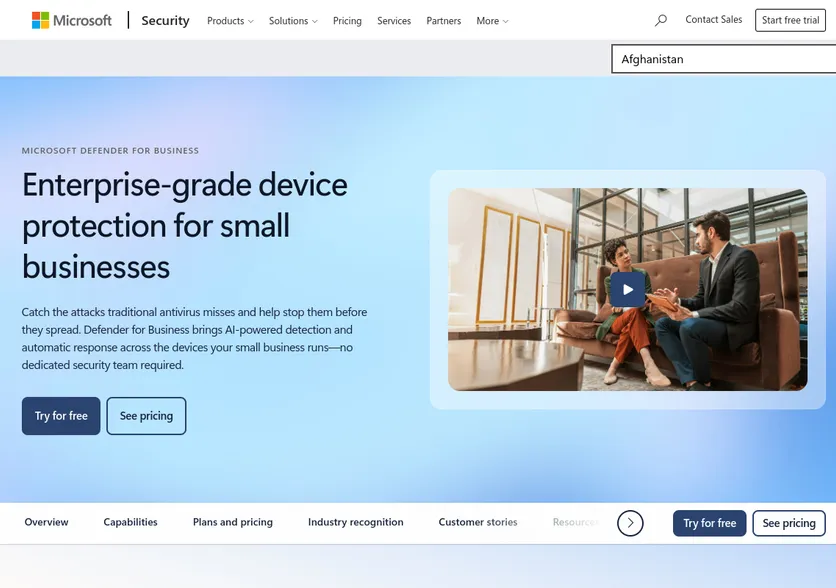
For an event planner working from venue Wi-Fi, this Microsoft Defender for Business plan is the cheapest endpoint protection in this comparison, and it is included free inside Microsoft 365 Business Premium. Automated investigation and response handles common threats without an analyst, which suits an event team with no IT staff. The plan covers up to three hundred users with five devices each, so one subscription protects the office PCs, the planning laptops and every staff phone.
What we like
- Cheapest published endpoint price in this comparison
- Included free inside Microsoft 365 Business Premium
- Automated investigation and response with no analyst needed
Watch out for
- Capped at three hundred users before you must move to Defender for Endpoint
- Standalone purchase needs an eligible Microsoft 365 plan
How to try it
- Check whether your Microsoft 365 Business Premium plan already includes it
- Turn on Defender for Business from the Microsoft 365 admin centre
- Run the onboarding wizard on five devices before a full rollout
2. Webroot Business Endpoint Protection
Best for: Event planners with older laptops and a tiny budget
Paid tool Starting price: $30/endpoint/year · Thirty dollars per endpoint a year billed annually, with a five-endpoint minimum that makes the smallest order one hundred and fifty dollars a year; now sold as OpenText Core Endpoint Protection
Free plan: No free plan; 30-day free trial
This Webroot Business Endpoint Protection agent is built to run on older and low-spec machines, which fits the planning laptop an event team keeps for years. The price is a simple per-endpoint figure with no tier maze, and the smallest order is five endpoints at one hundred and fifty dollars a year. A cloud console with policy and group controls lets the owner manage the whole fleet from the office before the event week.
What we like
- Lightest agent here, built for older and low-spec machines
- Simple per-endpoint price with no tier maze
- Cloud console with policy and group controls
Watch out for
- No Linux or mobile device support
- Five-endpoint minimum even for a one-person shop
How to try it
- Open the Webroot business page and start the thirty-day trial
- Install the agent on your oldest Windows machine first
- Set the group policies in the web console before you enrol the rest
3. Norton Small Business
Best for: Event planners that want one subscription for every device type
Paid tool Starting price: $99.99/year · Ninety-nine dollars and ninety-nine cents a year for five devices; ten devices cost one hundred and forty-nine dollars and ninety-nine cents a year and twenty devices cost two hundred and forty-nine dollars and ninety-nine cents a year
Free plan: No free plan; 60-day money-back guarantee
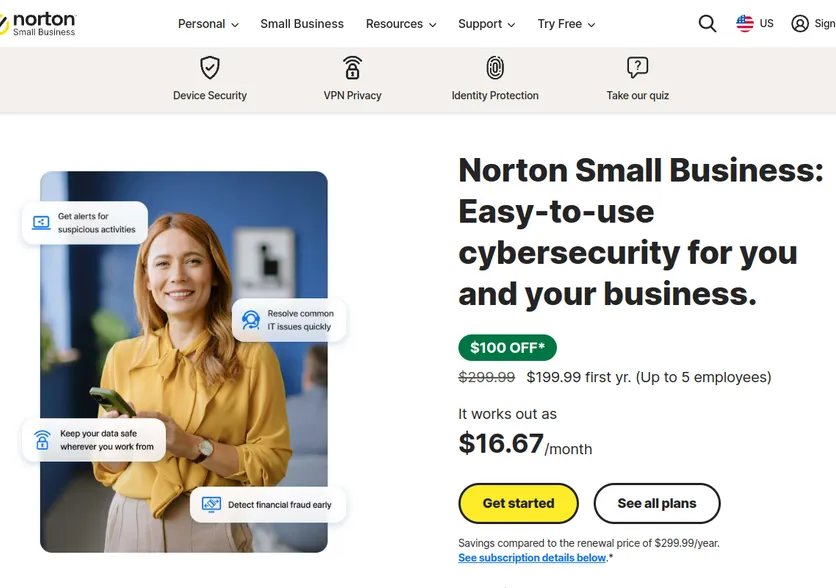
This Norton Small Business plan covers PCs, Macs, phones and tablets under one subscription, which suits a team that mixes laptops, tablets and phones across events. The pricing is a simple device count with no per-user maths, starting at ninety-nine dollars and ninety-nine cents a year for five devices. A firewall and safe browsing are included on every device, so the tablet used at the venue gets the same protection as the office computer.
What we like
- One subscription covers PCs, Macs, phones and tablets
- Simple device-count pricing with no per-user maths
- Includes a firewall and safe browsing on every device
Watch out for
- No central admin console for managing staff devices
- Renewal pricing can rise above the first-year price
How to try it
- Open the Norton Small Business page and pick the five-device plan
- Install Norton on one device from each type your team uses
- Turn on the firewall and safe browsing before you add the rest
4. Kaspersky Small Office Security
Best for: Event planners with a small office server and mixed devices
Paid tool Starting price: $230/year · Two hundred and thirty dollars a year for five users at the standard renewal rate, covering five computers, five mobile devices and one file server; the first year is two hundred and five dollars as an introductory price; larger packs cover up to forty-five users
Free plan: No free plan; 30-day free trial
For an event planner with a small office server, this Kaspersky Small Office Security licence covers a Windows file server alongside five computers and five mobile devices. Ransomware rollback restores encrypted files automatically, and one web portal manages every device without an IT person. The renewal price is twenty-five dollars above the first year, so check the cart before the trial converts.
What we like
- Covers a Windows file server in the same licence
- Ransomware rollback restores encrypted files automatically
- One web portal manages every device without an IT person
Watch out for
- Renewal costs twenty-five dollars more than the first year
- No detection and response for teams that need to hunt threats
How to try it
- Open the Kaspersky Small Office Security page and start the thirty-day trial
- Add your file server and five office computers to the portal
- Check the renewal price in the cart before the trial converts
5. Dashlane
Best for: Event planners sharing logins with freelancers every event
Paid tool Starting price: $8/user/month · Eight dollars per user a month billed annually for Omnix Password Management, the vault with single sign-on and provisioning; Credential Protection costs four dollars per user a month and Enterprise is custom-quoted for more than fifty users
Free plan: No free plan; 14-day free trial
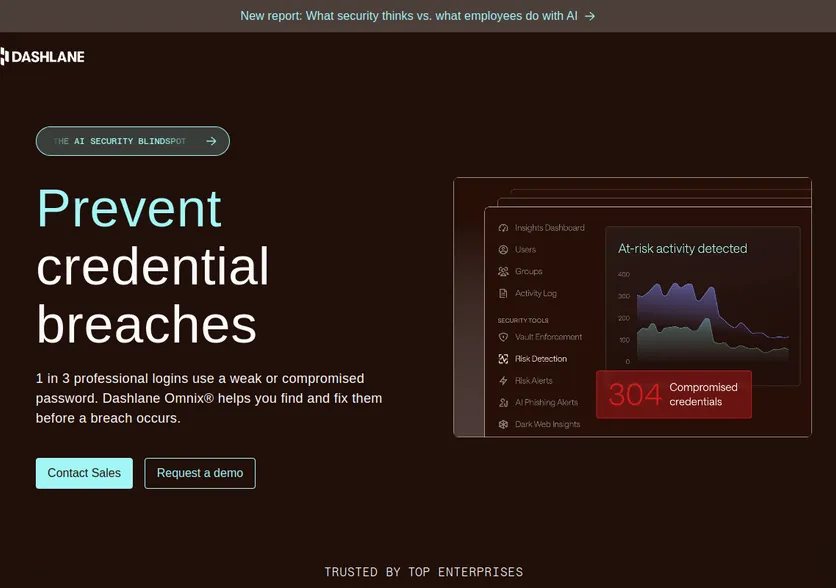
This Dashlane Omnix Password Management plan includes single sign-on and provisioning at the entry price, which suits a planner who hires freelancers for every event. Built-in VPN and dark web monitoring come with the vault plan, and credential risk detection watches logins outside the vault. The price is eight dollars per user a month, which is the trade-off for the provisioning features a team with frequent freelancers needs.
What we like
- Single sign-on and provisioning included at the entry price
- Built-in VPN and dark web monitoring on the vault plan
- Credential risk detection watches logins outside the vault
Watch out for
- No free plan since the free tier ended in 2025
- Enterprise pricing is custom above fifty users
How to try it
- Open the Dashlane pricing page and start the fourteen-day trial
- Import your logins and turn on dark web monitoring
- Connect single sign-on before you invite the team
6. Duo
Best for: Event planners that want push approvals on venue Wi-Fi
Paid tool Starting price: $3/user/month · Three dollars per user a month billed annually for Essentials; Advantage costs six dollars per user a month and adds adaptive policies and device health checks
Free plan: Free plan for up to 10 users
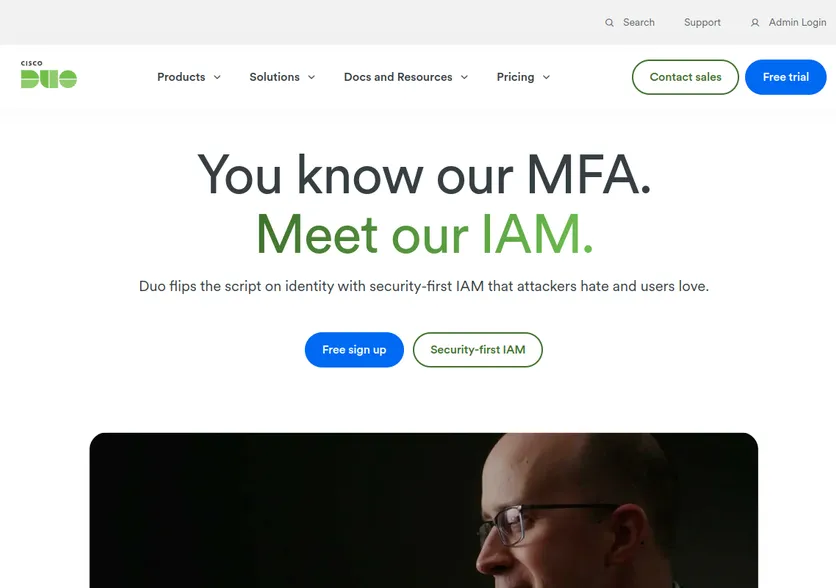
This Duo service protects logins with push approvals that staff tap on their phone, which is the easiest multifactor authentication to use on a busy event day. It works with almost every VPN and cloud app, so the same second factor covers the planning tool, the email and the payment app. A free plan covers a ten-person team, which means a small planning business can add multifactor authentication without spending anything.
What we like
- Push approvals that staff actually complete
- Works with almost every VPN and cloud app
- Free plan covers a ten-person team
Watch out for
- Adaptive access policies need the Advantage plan
- Reporting is basic on the entry tier
How to try it
- Open the Duo site and start with the free plan
- Connect Duo to your VPN or cloud apps
- Enrol one team in push approvals before a full rollout
7. JumpCloud
Best for: Event planners that want directory and device management in one login
Paid tool Starting price: $9/user/month · Nine dollars per user a month billed annually for Device Management, or eleven dollars billed monthly; the single sign-on package costs eleven dollars and Device Identity Management costs thirteen dollars per user a month
Free plan: Free plan for up to 10 users and 10 devices
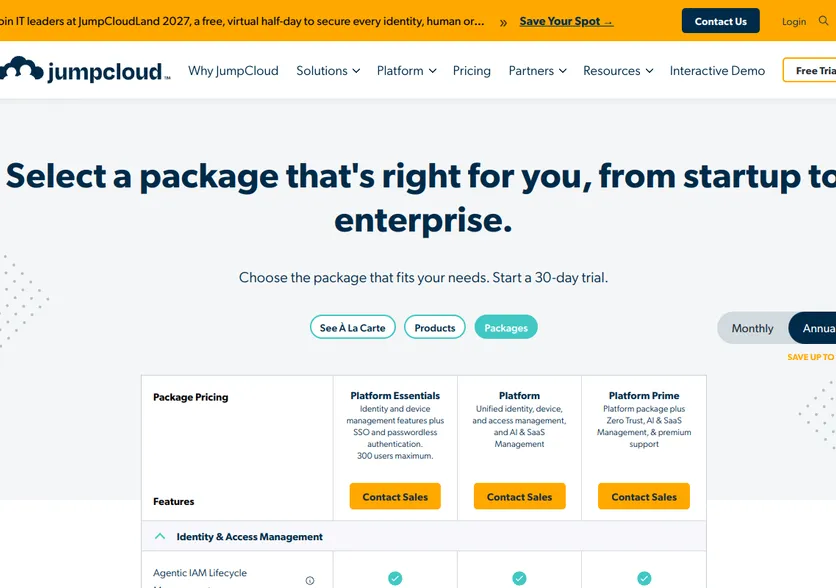
This JumpCloud service combines a cloud directory with device management, so a planner can manage user accounts and the laptops they use from one login. It covers Windows, Mac, Linux, iOS and Android, which suits a team that mixes device types across events. A free plan covers up to ten users and ten devices, which is enough for a small planning team to start without paying.
What we like
- Directory and device management in one login
- Covers Windows, Mac, Linux, iOS and Android
- Free plan covers a ten-person team
Watch out for
- Suspended users are still billed as normal users
- The full platform needs the thirteen-dollar package
How to try it
- Open the JumpCloud pricing page and start the thirty-day trial
- Import your users into the cloud directory
- Enrol one device per operating system before a full rollout
Prices above were checked on each vendor’s own website on Nov 27, 2026 and can change — the vendor’s page is the final word. Vendor links are editorial: nobody paid to be listed or ranked here. Vendors who want a featured listing can see how it works on our Get listed page.
How an event planner should stay safe on venue Wi-Fi
Venue Wi-Fi is the biggest risk in an event planner week, because the network belongs to someone else and anyone on it can watch unprotected traffic. A business VPN or zero-trust tool encrypts the connection, and multifactor authentication stops a stolen password from opening the planning apps. Turn both on before the event week starts, not after the first problem appears.
Keep the shared logins under control, because planners share accounts for venues, ticketing and payment tools across the team and with freelancers. A password manager with shared folders lets each person log in with their own account, and removing a freelancer takes one click instead of a password reset everywhere. Check the renewal price on every tool before the trial converts, since several vendors charge more after the first year.
Before you buy
- Turn on a VPN or zero-trust tool before every event week on venue Wi-Fi
- Add multifactor authentication to every planning and payment app
- Replace shared login spreadsheets with a team password vault
- Check renewal prices before the trial converts to a paid plan
- Protect the laptops and tablets that travel to every event site
Official websites
Official websites of the products reviewed above. Features and prices were checked against these sites when this guide was written, and they can change, so confirm on the vendor site before you buy.
Frequently asked questions
What is the cheapest security tool for an event planner?
Microsoft Defender for Business costs three dollars per user a month billed annually and is included free inside Microsoft 365 Business Premium, which many planners already pay for. Duo has a free plan for up to ten users for multifactor authentication, and JumpCloud has a free plan for up to ten users and ten devices. A planner can cover endpoint protection, multifactor authentication and device management for very little money. Start with Defender, then add Duo free for the logins.
Is venue Wi-Fi really dangerous for event planners?
Yes, because venue networks are shared with guests, vendors and strangers, and an attacker on the same network can watch unprotected traffic or run a fake access point with the venue name. A business VPN such as NordLayer or a zero-trust tool such as Cloudflare Zero Trust encrypts the connection, and multifactor authentication stops a stolen password from opening your apps.
How do we share logins with freelancers safely?
Use a password manager such as Dashlane or Keeper with shared folders, so each freelancer logs in with their own account and never sees the password itself. When the event ends, remove their access in one click and the shared passwords stay safe instead of needing a full reset. Dashlane includes single sign-on and provisioning on its eight-dollar plan, which suits a planner who hires freelancers often.
What should we do if a laptop is stolen at an event?
Report the theft, then use the security console to remotely lock or wipe the laptop before the data on it is read. Make sure full-disk encryption is turned on for every laptop, because a stolen drive without encryption is readable by anyone. A cloud backup of the event files and client lists means the team keeps working on a replacement machine the same day.
Do event planners need a consent banner on their website?
Yes, if the website uses analytics, advertising or booking tools that set cookies, because privacy law requires visitors to consent before tracking starts. Cookiebot, Termly and iubenda all offer free plans for a small site, and the banner is the visible proof that the business takes privacy seriously. A planner who collects guest emails for a newsletter needs the same consent. Start with the free plan and upgrade only when the site outgrows the page-view or domain limits.
Compare the seven tools above, then start a free trial on the planning laptops before the next event week.
Browse Business Tools tools