On this page
Remote teams lose days when decisions and files sit in inboxes and chat threads, waiting for someone to find the right version. The eight tools below replace that scramble with a searchable wiki, shared folders and permissions in one place. Every price was checked on the vendor site on November 27, 2026, and the list runs from two dollars and fifty cents a month to fifteen dollars a month. Notion is our first pick — the flexible workspace that holds docs, wikis and tasks on one page the whole team can edit.
How we researched this
We started with the document tools remote teams actually buy, then read each price on the vendor pricing page on November 27, 2026 and noted the trial each plan carries. We judged them for a team that works across timezones and needs to find any decision or file in seconds, with permissions that keep private pages private. We left out enterprise document tools like DocuWare and Laserfiche, whose entry prices sit far above what a small remote team should pay, and dropped M-Files because it publishes no US dollar list price.
Compare the tools
| Name | Best for | Starting price | Free plan | |
|---|---|---|---|---|
 Notion | Remote teams that want docs, wikis and tasks in one workspace | $10/user/month | Free plan for individuals | Visit |
 Confluence | Remote teams that need a structured wiki with strong permissions | $7.15/user/month | Free plan for up to 10 users | Visit |
 Google Workspace | Remote teams that already live in Gmail and Google Docs | $7/user/month | No free plan; 14-day free trial | Visit |
 Box | Remote teams that store files in one governed place with tight permissions | $15/user/month | Free Individual plan with 10 GB storage | Visit |
 Dropbox Business | Remote teams that need shared folders and version history across timezones | $15/user/month | No free business plan; 30-day free trial | Visit |
 Egnyte | Small remote teams that want a managed company drive for under ten people | $10/user/month | No free plan; free trial available | Visit |
 Slite | Remote teams that want a simple wiki without the clutter of a big suite | $10/user/month | No free plan; 14-day free trial | Visit |
 Zoho WorkDrive | Remote teams on a tight budget that want team folders for a few dollars a seat | $2.50/user/month | Free plan available with limited storage | Visit |
The document management software for remote teams, compared
1. Notion
Best for: Remote teams that want docs, wikis and tasks in one workspace
Paid tool Starting price: $10/user/month · Ten dollars per user a month billed annually for the Plus plan, or twelve dollars per user a month billed monthly; Business costs twenty dollars per user a month billed annually and Enterprise is custom-priced
Free plan: Free plan for individuals
Notion is the flexible wiki a remote team writes its playbook in, with docs, databases and tasks on one page that every teammate can edit from anywhere. This Notion Plus plan costs ten dollars per user a month billed annually and adds unlimited blocks for teams. A distributed team that replaces scattered notes gets one searchable home for decisions and docs.

What we like
- Docs, wikis and tasks on one flexible page
- Unlimited blocks for teams on Plus
- Free plan for individuals to start
Watch out for
- Flexible pages can turn messy without a structure
- Advanced permissions need the Business plan
How to try it
- Open the Notion site and start with the free plan
- Build a team wiki with your playbook and meeting notes
- Invite the team and test permissions on a private page
2. Confluence
Best for: Remote teams that need a structured wiki with strong permissions
Paid tool Starting price: $7.15/user/month · Seven dollars and fifteen cents per user a month on monthly billing for the Standard plan, rising from six dollars and seventy cents on October 13, 2026; annual billing is tiered at seven hundred and twenty dollars a year for up to ten users and Premium costs fourteen dollars and ten cents per user a month
Free plan: Free plan for up to 10 users
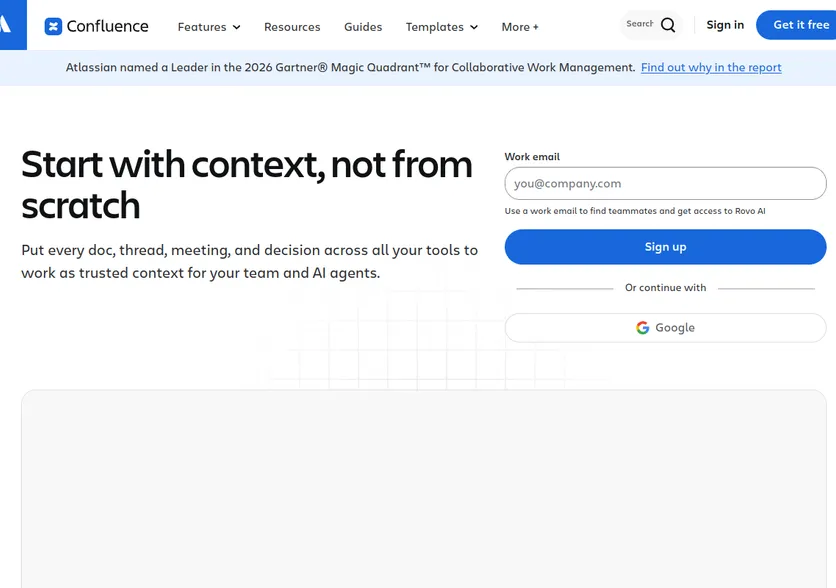
Confluence is the structured wiki remote teams write their knowledge base in, with spaces, pages and comments that keep decisions in one place. This Confluence Standard plan costs seven dollars and fifteen cents per user a month on monthly billing. A team that needs real permissions gets pages that stay private until the author shares them.
What we like
- Structured spaces and pages for a knowledge base
- Strong permissions that keep private pages private
- Free plan for up to ten users
Watch out for
- Annual billing is tiered, not a flat per-user price
- Premium features need the Premium plan
How to try it
- Open the Confluence pricing page and start with the free plan
- Create a space for the team wiki and your playbook
- Set page permissions and test the search on a real project term
3. Google Workspace
Best for: Remote teams that already live in Gmail and Google Docs
Paid tool Starting price: $7/user/month · Seven dollars per user a month on the annual plan for Business Starter, or eight dollars and forty cents on the flexible plan; Business Standard costs fourteen dollars and Business Plus costs twenty-two dollars per user a month
Free plan: No free plan; 14-day free trial
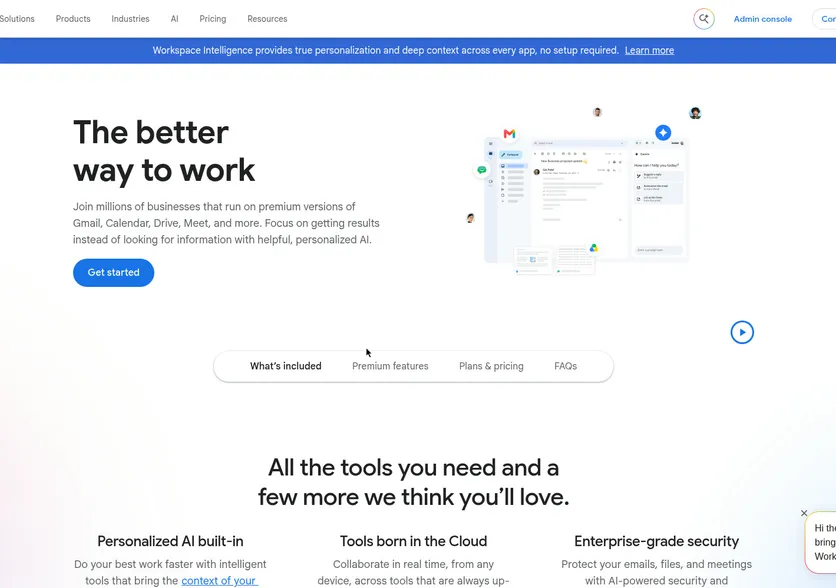
Google Workspace gives a remote team email, documents and meetings on one bill, with shared drives for the playbook and project files. This Google Workspace Business Starter plan costs seven dollars per user a month on annual billing and adds thirty gigabytes of pooled storage per user. A team that writes in Docs and meets in Meet gets everything on one account.
What we like
- Email, documents and meetings on one bill
- Real-time co-editing on docs and playbooks
- Pooled storage that grows with every licence
Watch out for
- Starter storage is only thirty gigabytes per user
- No free plan, so the trial is the only way to test it
How to try it
- Open the Google Workspace pricing page and start the 14-day trial
- Move the playbook and project files into a shared drive
- Set sharing rules so only the team can edit sensitive docs
4. Box
Best for: Remote teams that store files in one governed place with tight permissions
Paid tool Starting price: $15/user/month · Fifteen dollars per user a month billed annually for the Business plan, or twenty dollars per user a month billed monthly; Business Starter costs five dollars per user a month and Business Plus costs twenty-five dollars
Free plan: Free Individual plan with 10 GB storage
Box gives a remote team one governed home for files, with permissions, version history and signatures that work the same from any timezone. This Box Business plan costs fifteen dollars per user a month billed annually and includes unlimited storage. A team that shares files with contractors gets Box Sign requests without a second purchase.

What we like
- Unlimited storage on the Business plan
- Granular permissions for contractors and staff
- Box Sign requests included at no extra cost
Watch out for
- Business plans need at least three users
- Advanced governance features need the higher tiers
How to try it
- Open the Box site and start the 14-day free trial
- Create folders for projects, policies and shared files
- Set permissions by role and send a test document for signature
5. Dropbox Business
Best for: Remote teams that need shared folders and version history across timezones
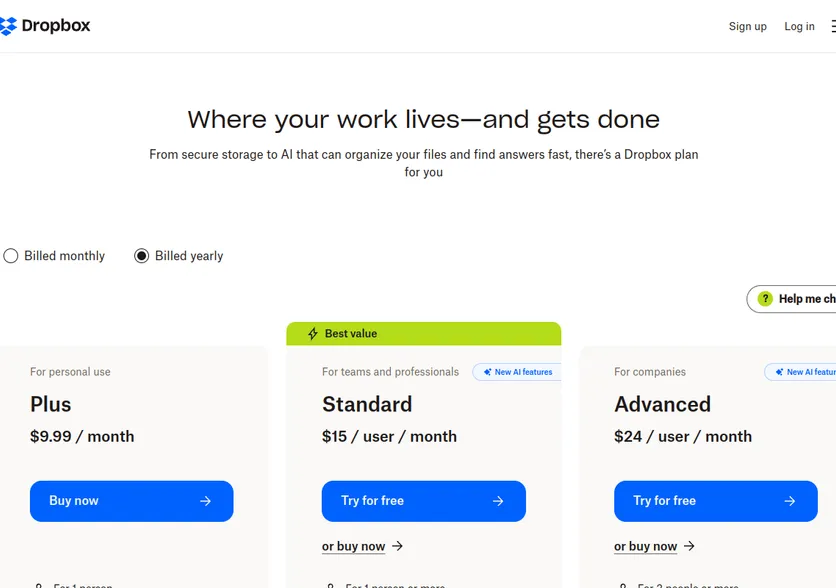
Paid tool Starting price: $15/user/month · Fifteen dollars per user a month billed annually for the Standard plan, or eighteen dollars per user a month billed monthly; Advanced costs twenty-four dollars per user a month billed annually and Enterprise is custom-priced
Free plan: No free business plan; 30-day free trial
Dropbox Business keeps remote team files in shared folders that sync to every laptop, with one hundred and eighty days of version history. This Dropbox Business Standard plan costs fifteen dollars per user a month billed annually and starts with three terabytes of pooled team storage. A team that works across timezones gets one shared copy with an audit trail.
What we like
- Shared folders that sync across every device
- One hundred and eighty days of version history
- Three terabytes of pooled storage on Standard
Watch out for
- Standard needs at least three users
- Advanced admin controls need the Advanced plan
How to try it
- Open the Dropbox Business pricing page and start the 30-day trial
- Create team folders for projects and shared files
- Set folder permissions and check the version history on a test file
6. Egnyte
Best for: Small remote teams that want a managed company drive for under ten people
Paid tool Starting price: $10/user/month · Ten dollars per user a month paid annually for the Team plan, covering one to ten users; Business costs twenty-two dollars, Enterprise Lite costs thirty-nine dollars and Elite costs forty-eight dollars per user a month
Free plan: No free plan; free trial available
Egnyte works like a managed company drive, so a remote team gets secure file sharing and permissions without running its own servers. This Egnyte Team plan costs ten dollars per user a month paid annually and covers one to ten users. A team that stores project files and policies in one place gets co-editing with Google Workspace and Microsoft 365 built in.

What we like
- Managed company drive with no servers to run
- Co-editing with Google Workspace and Microsoft 365
- Simple permissions for remote team files
Watch out for
- Team plan stops at ten users
- No free plan, so the trial is the only way to test it
How to try it
- Open the Egnyte pricing page and start a free trial
- Set up folders for projects and team files
- Test co-editing a doc in Google Docs or Word
7. Slite
Best for: Remote teams that want a simple wiki without the clutter of a big suite
Paid tool Starting price: $10/user/month · Ten dollars per user a month billed annually for the Basic plan; the Pro plan costs twenty dollars per user a month billed annually and Enterprise is custom-priced
Free plan: No free plan; 14-day free trial
Slite is the simple wiki a remote team writes its playbook in, with clean docs and a search that finds any decision in seconds. This Slite Basic plan costs ten dollars per user a month billed annually. A team that finds big suites too heavy gets docs, notes and decisions in one light workspace.

What we like
- Clean docs with a fast search
- Light workspace without suite clutter
- Quick setup for a small remote team
Watch out for
- Fewer integrations than the bigger suites
- No free plan, so the trial is the only way to test it
How to try it
- Open the Slite pricing page and start the 14-day free trial
- Build a team wiki with your playbook and meeting notes
- Invite the team and test the search on a real project term
8. Zoho WorkDrive
Best for: Remote teams on a tight budget that want team folders for a few dollars a seat
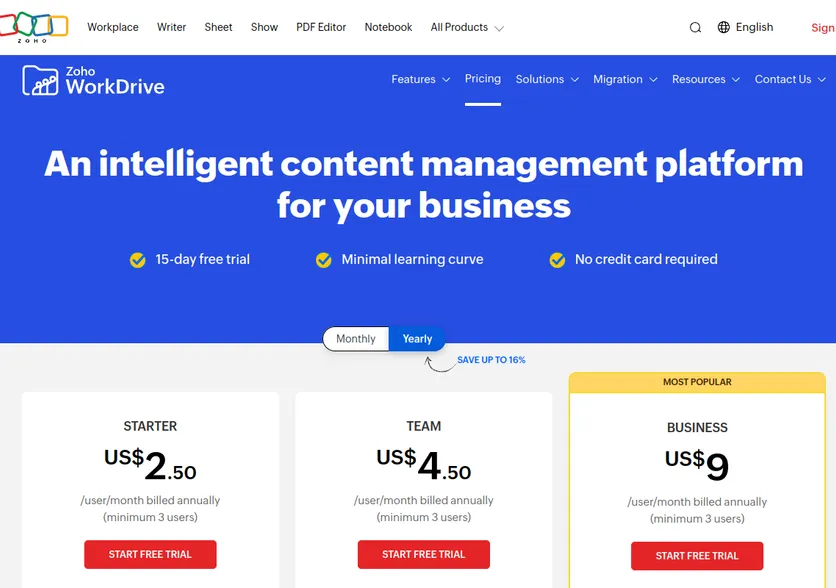
Paid tool Starting price: $2.50/user/month · Two dollars and fifty cents per user a month billed annually for the Starter plan, or three dollars per user a month billed monthly; Team costs four dollars and fifty cents and Business costs nine dollars per user a month billed annually
Free plan: Free plan available with limited storage
Zoho WorkDrive is the cheapest team file store here, so a remote team that watches every dollar still gets shared folders, permissions and office editing. This Zoho WorkDrive Starter plan costs two dollars and fifty cents per user a month billed annually and starts with one terabyte of pooled team storage. A small team gets a real document home for less than a coffee per seat.
What we like
- Cheapest paid plan in this comparison
- One terabyte of pooled storage on Starter
- Built-in office editing with no extra suite
Watch out for
- Starter needs at least three users
- Advanced admin controls need the Team plan
How to try it
- Open the Zoho WorkDrive pricing page and start with the free plan
- Create team folders for projects and shared files
- Test the built-in office editor on a playbook draft
Prices above were checked on each vendor’s own website on Nov 27, 2026 and can change — the vendor’s page is the final word. Vendor links are editorial: nobody paid to be listed or ranked here. Vendors who want a featured listing can see how it works on our Get listed page.
What remote team document software costs in 2026
A remote team pays for two things, the wiki and the files, and the tools below split that cost in a useful way. A wiki charges per user for docs and decisions, while a file store charges per user for shared folders and storage. The cheapest plan here costs two dollars and fifty cents per user a month, while the most expensive costs fifteen dollars a month.
Start with a trial on two tools and load twenty real files and pages into each one. Search for a decision, a project file and a policy, then invite a teammate and check who can see a private page. Pick the tool whose search finds the page on the first try, because a wiki you cannot search is just a tidier shared drive.
Before you buy
- Check how many team members the entry plan covers, because a per-user fee for remote readers who only view docs costs more than it should.
- Confirm offline access works on a laptop and a phone, because a remote worker with no signal still needs the playbook.
- Test the search on your own project wording, because keyword search misses pages that full-text search finds.
- Ask who can see private team pages, because broad permissions leak salary and strategy docs across the company.
- Check the export terms before you sign, because a wiki that locks your pages behind a fee costs more later.
Official websites
Official websites of the products reviewed above. Features and prices were checked against these sites when this guide was written, and they can change, so confirm on the vendor site before you buy.
Frequently asked questions
Which document management software is best for remote teams in 2026?
Notion is the best overall pick at ten dollars per user a month, pairing docs, wikis and tasks in one flexible workspace. Confluence is the best pick for teams that need a structured wiki with strong permissions at seven dollars and fifteen cents per user a month. Zoho WorkDrive is the best budget pick at two dollars and fifty cents per user a month for teams that only need shared folders.
How much does document management software for remote teams cost?
Prices run from two dollars and fifty cents per user a month for Zoho WorkDrive to fifteen dollars per user a month for Box and Dropbox Business, with most tools landing between seven and ten dollars a month. Per-user pricing suits small remote teams, while a wiki with a free plan suits teams where many members only read docs. Add extra seats and storage upgrades to the subscription before you compare totals.
Do remote teams need a wiki, or just file storage?
Yes, and it matters more for remote teams than for office teams, because a remote worker cannot walk over to a colleague and ask where the file lives. A wiki that only stores files leaves the search problem unsolved. A tool that combines a wiki with file storage gives the team one place to find decisions and documents together.
How should a remote team test document software before buying?
Start with a trial on two tools and load twenty real files and pages into each one. Search for a decision, a project file and a policy, then invite a teammate and check who can see a private page. Pick the tool whose search finds the page on the first try, because a wiki you cannot search is just a tidier shared drive.
What should a remote team check before buying software?
Check how many team members the entry plan covers, whether offline access works on a laptop and a phone, and whether the search finds pages by your own project wording. A tool that charges per user for remote readers who only view docs costs more than it should. A tool that cannot export your pages locks the team in, so read the export terms before you pay.
Need everyday business help too? Try Toolsvine's free business tools right in your browser.
Browse Business Tools tools