On this page
A startup has one shot at a good launch, and the store platform decides whether the first orders arrive smoothly or stall at checkout. The eight tools below are e-commerce platforms built for small budgets and fast launches, with prices checked on the vendor sites on November 27, 2026. The list runs from twelve dollars a month to twenty-nine dollars a month, so a founder can open a real store for less than a team lunch. Wix is our first pick — the builder that launches a store in a weekend for seventeen dollars a month.
How we researched this
We started with the store platforms startups actually launch on, then read each price on the vendor pricing page on November 27, 2026 and noted the free plan or trial each one carries. We judged them for a founder with a product and a small budget who needs a store live in days, not months. We dropped the quote-only enterprise platforms, because none of them publishes a list price a startup can compare without a sales call.
Compare the tools
| Name | Best for | Starting price | Free plan | |
|---|---|---|---|---|
 Wix | Startups that want the cheapest way to launch a real online store | $17/month | No free plan; free trial available | Visit |
 Big Cartel | Startups selling handmade goods that want a free plan to start | $12/month | Free Gold plan with 5 products | Visit |
 Sellfy | Startups selling digital products with no platform fees | $22/month | No free plan; 14-day free trial | Visit |
 Shopify | Startups that want the biggest app ecosystem to grow into | $29/month | No free plan; free trial available | Visit |
 Squarespace | Startups that want a design-led store with no transaction fee | $49/month | No free plan; free trial available | Visit |
 Webflow | Startups that want a custom-looking store without a developer | $29/month | Free plan for building, paid to publish | Visit |
 Ecwid | Startups that already have a website and want to add a shop cheaply | $14.08/month | Free plan up to 10 products | Visit |
 Duda | Startups that want a fast site with team seats from day one | $19/month | No free plan; free trial available | Visit |
The e-commerce development software for startups, compared
1. Wix
Best for: Startups that want the cheapest way to launch a real online store
Paid tool Starting price: $17/month · Seventeen dollars a month billed annually for the Business Basic plan, or twenty-one dollars a month billed monthly; Business Unlimited costs twenty-five dollars and Business VIP costs thirty-five dollars a month billed annually
Free plan: No free plan; free trial available
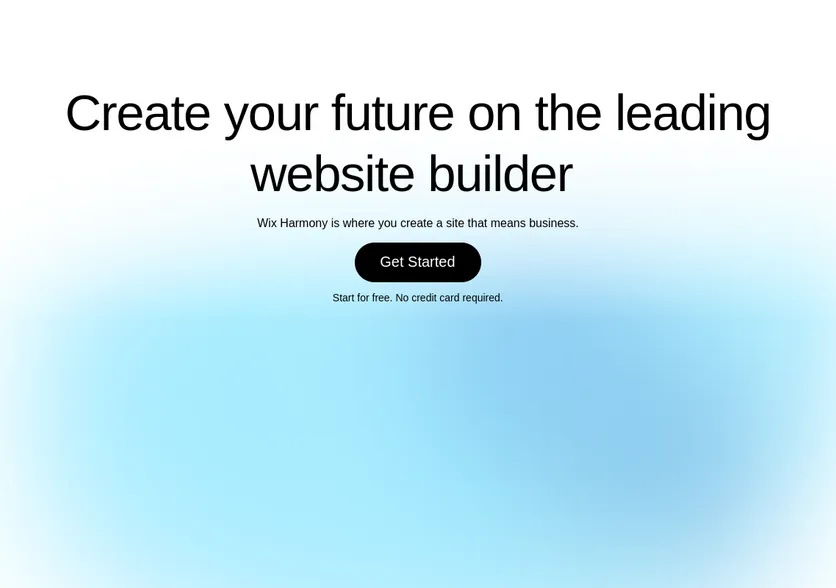
Wix is the builder that lets a startup launch a store in a weekend, with templates, hosting and payments in one place and no developer needed. This Wix Business Basic plan costs seventeen dollars a month billed annually and covers a full online store with no platform transaction fee. A founder with a product and a weekend gets a store live fast, with room to add features as sales grow.
What we like
- Cheapest store plan in this comparison
- Launch a store in a weekend with no developer
- No platform transaction fee on Business plans
Watch out for
- Newer website plan names may replace the Business tiers
- Design freedom is narrower than a code-first builder
How to try it
- Open the Wix site and pick a store template
- Add your products and set up payments
- Publish the store and share the launch link
2. Big Cartel
Best for: Startups selling handmade goods that want a free plan to start
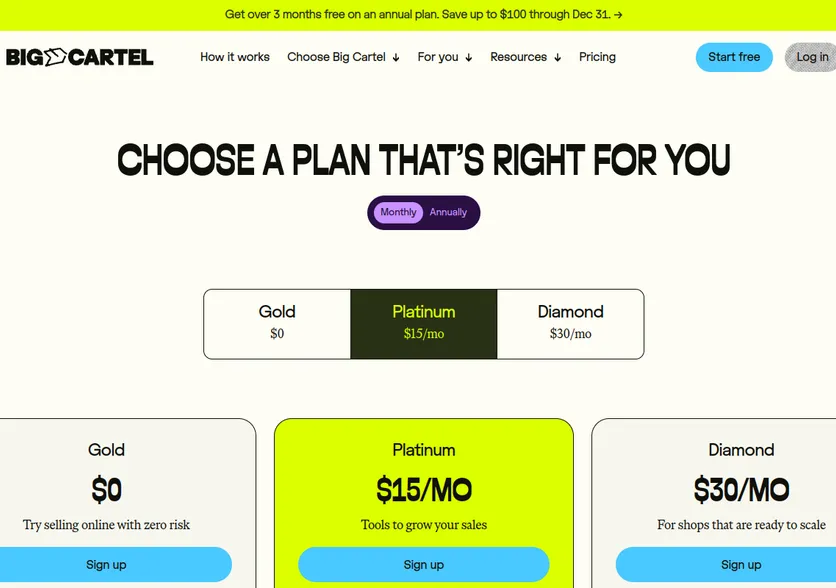
Paid tool Starting price: $12/month · Twelve dollars a month billed annually for the Platinum plan, or fifteen dollars a month billed monthly, covering fifty products; Diamond costs twenty-four dollars a month billed annually and Gold is now free with five products
Free plan: Free Gold plan with 5 products
Big Cartel is the store platform built for makers and small brands, with a free plan for five products and simple pricing that a startup can understand at a glance. This Big Cartel Platinum plan costs twelve dollars a month billed annually and covers fifty products with a custom domain and digital products. A maker with a small catalog gets a clean storefront, no platform fees and a plan that grows with the range.
What we like
- Free plan for five products with no card
- Simple pricing a founder can read at a glance
- Custom domain and digital products on Platinum
Watch out for
- Platinum caps at fifty products
- Fewer apps and integrations than the big platforms
How to try it
- Open the Big Cartel site and create a free account
- List your first five products on the free plan
- Upgrade to Platinum when the catalog grows
3. Sellfy
Best for: Startups selling digital products with no platform fees
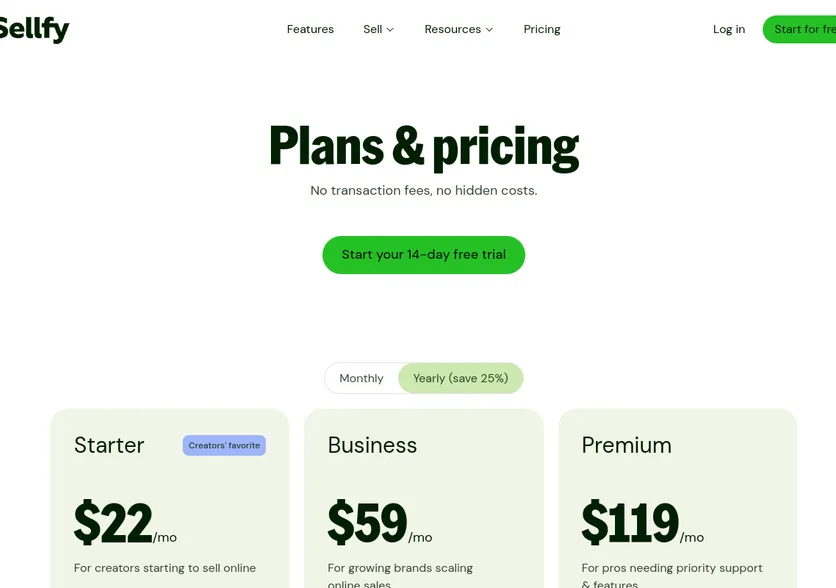
Paid tool Starting price: $22/month · Twenty-two dollars a month billed annually for the Starter plan, or twenty-nine dollars a month billed monthly, with a ten thousand dollar annual sales cap; Business costs fifty-nine dollars and Premium costs one hundred and nineteen dollars a month billed annually
Free plan: No free plan; 14-day free trial
Sellfy is the store platform for creators who sell digital products, subscriptions and print-on-demand goods without paying a platform fee on any sale. This Sellfy Starter plan costs twenty-two dollars a month billed annually and covers ten thousand dollars in annual sales with no platform transaction fee. A creator with a digital product gets a store, email tools and file delivery in one login.
What we like
- No platform transaction fee on any sale
- Digital products, subscriptions and print-on-demand in one place
- Email tools included for launch marketing
Watch out for
- Starter caps annual sales at ten thousand dollars
- No free plan, so the trial is the only way to test it
How to try it
- Open the Sellfy site and start the 14-day trial
- Upload your digital product and set a price
- Publish the store and share the product link
4. Shopify
Best for: Startups that want the biggest app ecosystem to grow into
Paid tool Starting price: $29/month · Twenty-nine dollars a month billed annually for the Basic plan, or thirty-nine dollars a month billed monthly; Grow costs one hundred and five dollars and Advanced costs three hundred and ninety-nine dollars a month billed annually
Free plan: No free plan; free trial available
Shopify gives a startup the same platform big brands run on, with a hosted store, payments and an app store that adds features as the business grows. This Shopify Basic plan costs twenty-nine dollars a month billed annually and includes two staff accounts with online card payments. A founder who plans to scale gets a store that grows from first sale to full team without a rebuild.

What we like
- Same platform big brands run on
- App store adds features as you grow
- Hosted storefront with no server to manage
Watch out for
- Basic covers only two staff accounts
- App costs add up on top of the subscription
How to try it
- Open the Shopify site and start a free trial
- Pick a theme and add your launch products
- Set up payments and open the store
5. Squarespace
Best for: Startups that want a design-led store with no transaction fee
Paid tool Starting price: $49/month · Plus plan, $49 a month billed annually ($65 billed monthly); Basic $19, Core $29 and Advanced $99 a month billed annually. Squarespace renamed its plans in February 2026 (Personal became Basic, Business became Core, Commerce Basic became Plus, Commerce Advanced became Advanced) and raised prices in July 2026.
Free plan: No free plan; free trial available
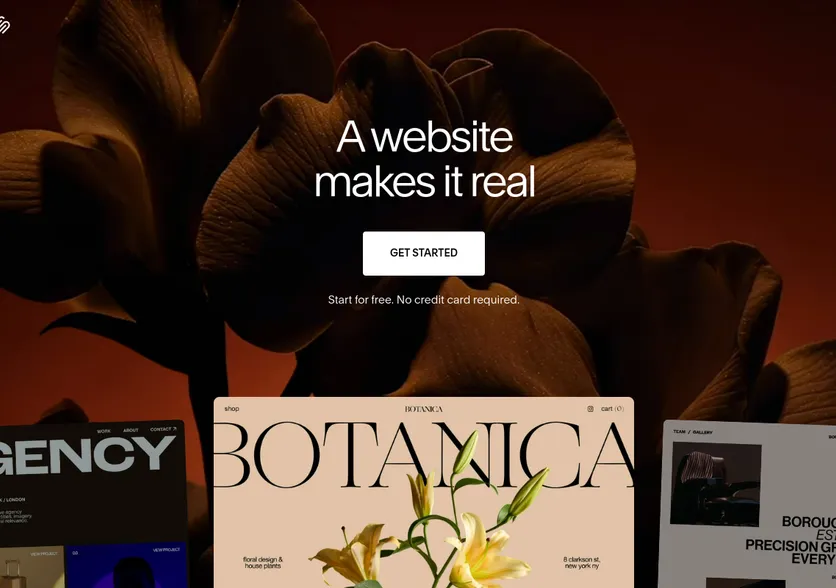
Squarespace gives a startup a storefront that looks designed from day one, with polished templates and commerce tools that charge no Squarespace fee on sales. This Squarespace Plus plan costs forty-nine dollars a month billed annually ($65 billed monthly) and includes a full online store. A founder who sells on brand gets a beautiful store without hiring a designer or a developer.
What we like
- Storefronts that look designed from day one
- No Squarespace transaction fee on commerce plans
- Website and store in one builder
Watch out for
- Fewer e-commerce apps than the store-first platforms
- Monthly billing costs more than the annual rate
How to try it
- Open the Squarespace site and start a free trial
- Pick a commerce template that fits your brand
- Add products and publish the store
6. Webflow
Best for: Startups that want a custom-looking store without a developer
Paid tool Starting price: $29/month · Twenty-nine dollars a month billed annually for the Ecommerce Standard plan, or forty-two dollars a month billed monthly, covering five hundred items with a two percent transaction fee; Plus costs seventy-four dollars and Advanced costs two hundred and twelve dollars a month billed annually
Free plan: Free plan for building, paid to publish
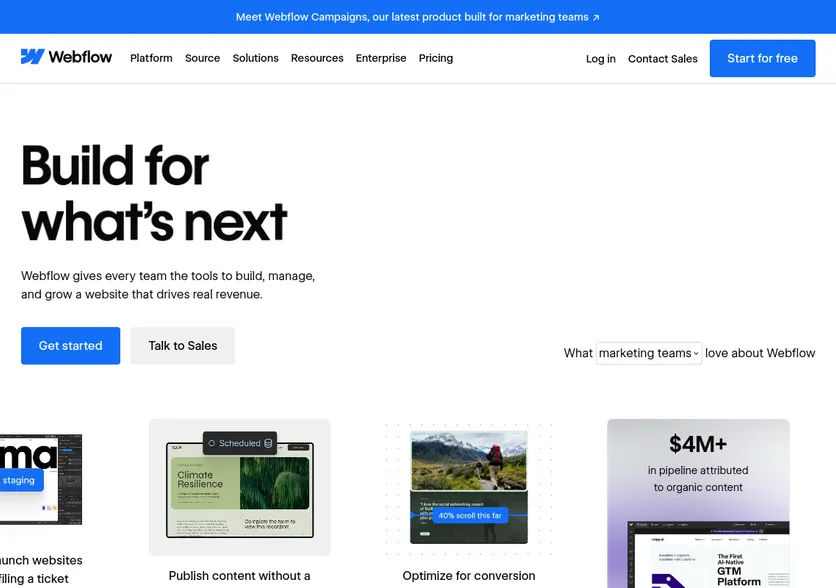
Webflow lets a startup design a storefront that looks custom-built, with a visual builder that controls every pixel and e-commerce tools underneath. This Webflow Ecommerce Standard plan costs twenty-nine dollars a month billed annually and covers five hundred items with a two percent transaction fee. A founder with a strong brand gets a store that stands out from template shops without writing code.
What we like
- Storefronts that stand out from template shops
- Visual builder with full design control
- No developer needed for a custom look
Watch out for
- Standard charges a two percent transaction fee
- Learning curve is steeper than a template builder
How to try it
- Open the Webflow site and create a free account
- Design the storefront with the visual builder
- Add products and publish on the Standard plan
7. Ecwid
Best for: Startups that already have a website and want to add a shop cheaply
Paid tool Starting price: $14.08/month · Fourteen dollars and eight cents a month billed annually for the Venture plan, or nineteen dollars a month billed monthly, covering one hundred products; Business costs twenty-nine dollars and eight cents and Unlimited costs eighty-two dollars and fifty cents a month billed annually
Free plan: Free plan up to 10 products
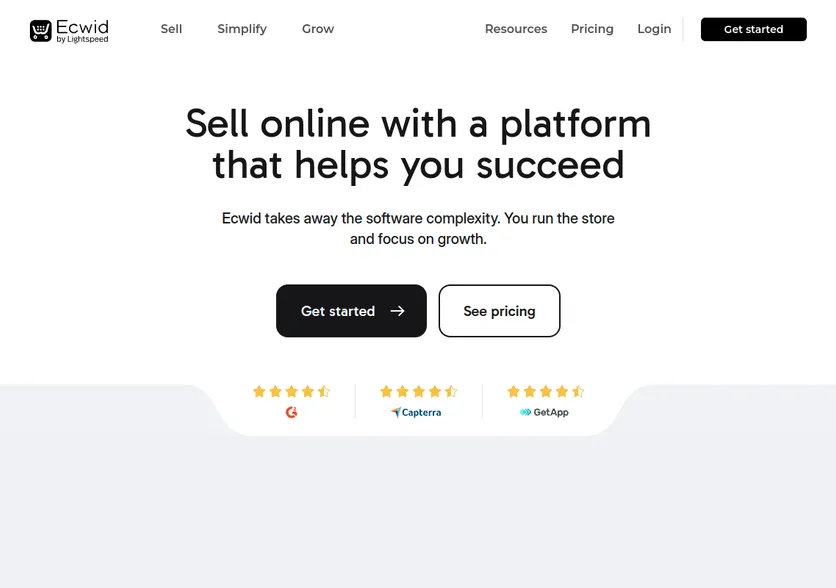
Ecwid adds a shop to a website a startup already owns, so the founder keeps the site and gains a store, social shops and mobile selling in one step. This Ecwid Venture plan costs fourteen dollars and eight cents a month billed annually and covers one hundred products with digital downloads. A startup with a site live already gets selling without a rebuild and without a big monthly bill.
What we like
- Adds a store to a website you already own
- Cheapest paid plan in this comparison
- Free plan for up to ten products
Watch out for
- Venture caps at one hundred products
- Fewer design options than a full storefront builder
How to try it
- Open the Ecwid site and create a free account
- Add the store to your existing website
- List products and connect payments
8. Duda
Best for: Startups that want a fast site with team seats from day one
Paid tool Starting price: $19/month · Nineteen dollars a month billed annually for the Basic plan, or twenty-five dollars a month billed monthly, covering one site with three team seats; Team costs twenty-nine dollars, Agency costs fifty-two dollars and White Label costs one hundred and forty-nine dollars a month billed annually
Free plan: No free plan; free trial available
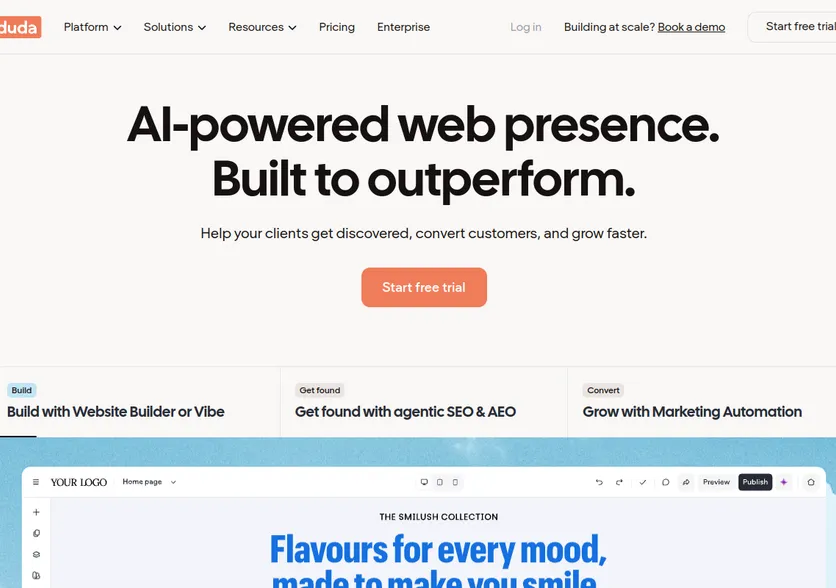
Duda builds fast websites for teams, giving a startup shared editing and a store that three people can run together from the first week. This Duda Basic plan costs nineteen dollars a month billed annually and covers one site with three team seats. A founding team gets a quick site, shared access and a builder that was made for working together.
What we like
- Three team seats included on Basic
- Fast sites with strong performance scores
- Built for teams with shared editing
Watch out for
- E-commerce is a separate add-on per site
- Basic covers only one site
How to try it
- Open the Duda site and start a free trial
- Build the site with the drag-and-drop editor
- Invite your co-founders and publish the store
Prices above were checked on each vendor’s own website on Nov 27, 2026 and can change — the vendor’s page is the final word. Vendor links are editorial: nobody paid to be listed or ranked here. Vendors who want a featured listing can see how it works on our Get listed page.
What a startup store costs in 2026
A startup store charges in three places at once: the monthly plan, the transaction fee and the apps. A plan that costs seventeen dollars a month with no platform fee can cost less than a twelve-dollar plan that takes a cut of every sale, so work out the all-in cost on your expected sales before you compare. Check the product limit and the sales cap too, because a store that outgrows its plan mid-launch pays to upgrade at the worst moment.
Launch on a free plan or a trial and prove the product sells before you commit. List your best ten products, test the checkout on a phone and take one real order end to end, then upgrade when the limits start to pinch. Pick the platform whose checkout feels effortless on mobile, because most first orders from a new store arrive on a phone.
Before you buy
- Check the monthly price at your launch size, because a plan that fits ten products may cap you at fifty.
- Confirm the sales cap on the entry plan, because a store that outgrows its cap mid-launch pays to upgrade.
- Test the checkout on a phone, because most first orders from a new store arrive on mobile.
- Ask what happens when the trial ends, because a store that locks on day fourteen needs a paid plan ready.
- Check the transaction fee on your first sales, because a fee on every order eats a thin startup margin.
Official websites
Official websites of the products reviewed above. Features and prices were checked against these sites when this guide was written, and they can change, so confirm on the vendor site before you buy.
Frequently asked questions
Which e-commerce development software is best for startups in 2026?
Wix is the best overall pick at seventeen dollars a month billed annually, with a store a founder can launch in a weekend and no platform transaction fee. Big Cartel is the best budget pick at twelve dollars a month billed annually, with a free plan for five products. Ecwid is the best pick for startups that already own a website, adding a store for fourteen dollars and eight cents a month billed annually.
How much does e-commerce software cost for a startup?
Prices here run from twelve dollars a month for Big Cartel Platinum to twenty-nine dollars a month for Shopify Basic and Webflow Standard, with most startup plans landing between fourteen and twenty-eight dollars a month. The monthly fee is only part of the cost, because transaction fees, app subscriptions and payment processing add up on every order. Compare the all-in cost on your expected sales before you pick a platform.
Can a startup launch a store for free?
Yes, because Big Cartel offers a free plan for five products and Ecwid offers a free plan for up to ten products. Webflow lets you build free and pay only to publish, and Wix offers a free trial to test the store. Start free to prove the product sells, then upgrade when the product limit or the sales cap starts to pinch.
Should a startup pick a store platform or a website builder?
A store-first platform like Shopify suits a startup whose main business is selling, with apps for payments, shipping and marketing built around the store. A website builder like Wix or Squarespace suits a startup that needs a site first and a store second, with design and content tools leading the way. Pick the store-first route when sales are the business, and the builder route when the site does more than sell.
What should a startup check before picking a store platform?
Check the product limit first, because a plan that fits ten products may cap you at fifty just as sales pick up. Then check the sales cap, since a store that outgrows its cap mid-launch pays to upgrade at the worst moment. Finally test the checkout on a phone, because most first orders from a new store arrive on mobile and a clumsy mobile checkout loses them.
Need everyday business help too? Try Toolsvine's free business tools right in your browser.
Browse Business Tools tools