On this page
A veterinary pharmacy lives or dies on expiry dates, batch numbers and controlled-substance counts, and a spreadsheet cannot keep up once the shelves fill. The tools below track stock by batch and lot, flag short-dated medicines before they expire, and keep an audit trail a regulator will accept. Zoho Inventory leads the list because batch tracking starts on its $29-a-month Standard plan with a free plan underneath it, and the other seven tools are ranked on the same practical test: how safely they move a bottle from delivery to dispensing.
How we researched this
We checked every price on the vendor pricing page on November 28, 2026, and only included tools with a published US dollar list price. The veterinary-specific systems in this category, including Covetrus, ezyVet, Shepherd and Digitail, publish no prices, so they are not in this list. Prices change, so confirm the current figure on the vendor site before you buy.
Compare the tools
| Name | Best for | Starting price | Free plan | |
|---|---|---|---|---|
 Zoho Inventory | Veterinary pharmacies that need batch and expiry tracking on a small budget | $29/month | Free plan for 50 orders a month | Visit |
 Sortly | Small veterinary teams that count stock on a phone with barcode scanning | $49/month | Free plan for 100 items and 1 user | Visit |
 inFlow Inventory | Veterinary pharmacies that also sell online and need orders, picking and shipping in one place | $99/month | Free trial | Visit |
 Cin7 Core | Growing veterinary suppliers that sell across several channels and warehouses | $349/month | Free demo | Visit |
 Katana | Veterinary suppliers that compound or repack and need batch-level production control | $299/month | Free trial | Visit |
 Fishbowl | Regulated veterinary operations that need lot traceability and audit-ready records | $229/month | Free trial | Visit |
 Lightspeed Retail | Veterinary pharmacies with a retail counter that also need point of sale | $89/month | Free trial | Visit |
 Square for Retail | Single-location veterinary pharmacies that want simple stock with payments built in | $49/month | Free plan for basic retail POS | Visit |
The inventory management software for veterinary pharmacies, compared
1. Zoho Inventory
Best for: Veterinary pharmacies that need batch and expiry tracking on a small budget
Paid tool Starting price: $29/month · Twenty-nine dollars per organization a month billed annually on the Standard plan, or $39 billed monthly; Professional is $79, Premium is $129 and Enterprise is $249 a month billed annually
Free plan: Free plan for 50 orders a month
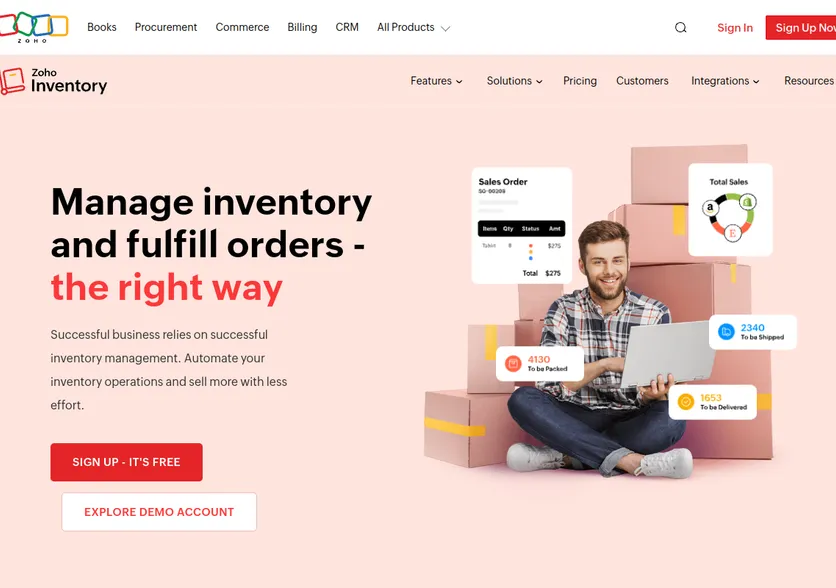
For Veterinary pharmacies, this Zoho Inventory plan costs twenty-nine dollars per organization a month billed annually, and batch tracking is included from the Professional plan upward, with serial numbers and expiry dates recorded against each batch. A pharmacy can see which lots are short-dated before they expire, set reorder points per medicine, and keep purchase orders, sales and stock in one place. The free plan covers fifty orders a month, so a small practice can prove the workflow before paying.
What we like
- Batch and expiry tracking on paid plans
- Priced per organization, not per user
- Free plan covers fifty orders a month
Watch out for
- Batch tracking needs the Professional plan, not Standard
- Order caps rise only on higher plans
How to try it
- Add each medicine with its batch number and expiry date on receipt
- Set a reorder point and a low-stock alert for every fast-moving line
- Run the short-dated report weekly and move expiring stock to the front
2. Sortly
Best for: Small veterinary teams that count stock on a phone with barcode scanning
Paid tool Starting price: $49/month · Forty-nine dollars a month for the Advanced plan billed monthly, covering 500 items and 2 users; the $24 figure on the vendor page is a first-year discount on yearly billing, and Ultra is $149 and Premium is $299 a month
Free plan: Free plan for 100 items and 1 user
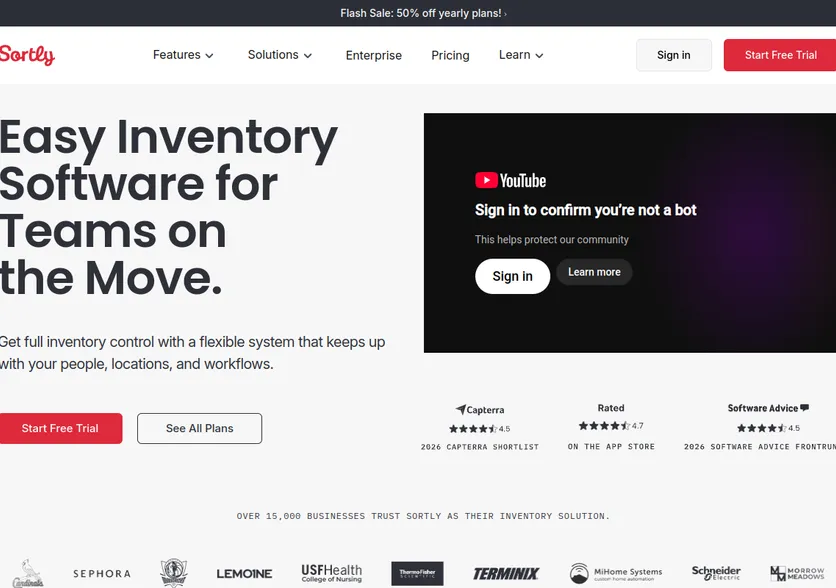
For Veterinary pharmacies, this Sortly plan costs forty-nine dollars a month billed monthly, and it turns a phone into the stockroom scanner. Staff photograph each delivery, scan barcodes at the shelf, and get a low-stock alert when a medicine runs low, with check-in and check-out logs showing who took what. It is a visual tracker rather than a full ordering system, which suits a small pharmacy that needs counts right more than it needs purchase automation.
What we like
- Phone barcode scanning with photos of every item
- Low-stock alerts on the Advanced plan
- Free plan for one hundred items
Watch out for
- No purchase orders until the Ultra plan
- No batch expiry tracking built in
How to try it
- Photograph and barcode-scan each delivery into its folder
- Set a minimum quantity on every medicine that must never run out
- Count stock on the phone and reconcile the difference the same day
3. inFlow Inventory
Best for: Veterinary pharmacies that also sell online and need orders, picking and shipping in one place
Paid tool Starting price: $99/month · Ninety-nine dollars a month billed annually on the Lite plan, or $129 billed monthly; Core is $299, Pro is $499 and Max is $699 a month billed annually, and a $499 onboarding package is required on most plans
Free plan: Free trial
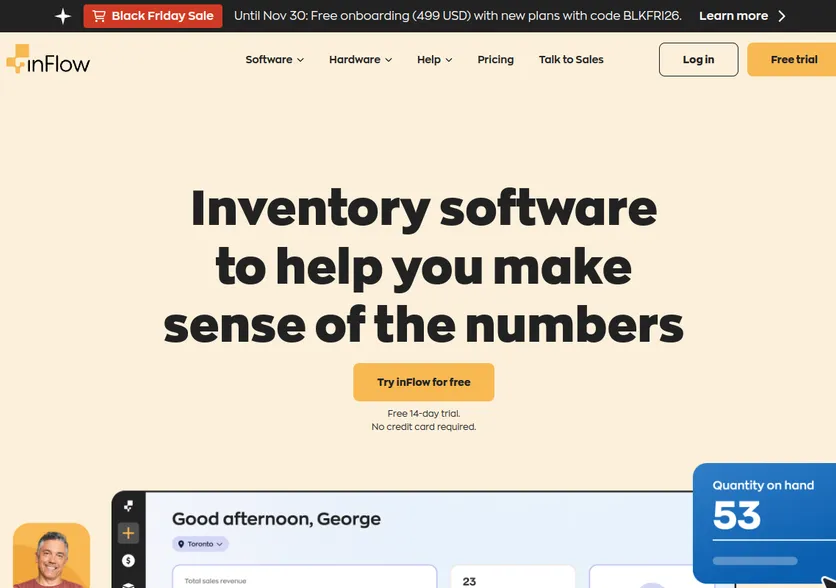
For Veterinary pharmacies, this inFlow Inventory plan costs ninety-nine dollars a month billed annually, and it runs stock, sales orders, purchase orders and picking from one screen. A pharmacy can track products across locations, add lot and serial tracking as a paid add-on, and ship orders without retyping them into another system. The flat price covers two team members, so a small dispensary pays the same whether one person or two use it.
What we like
- Orders, purchasing and fulfilment in one system
- Flat price for two team members
- Multi-location stock on higher plans
Watch out for
- Lot and serial tracking are paid add-ons
- A $499 onboarding package applies on most plans
How to try it
- Receive deliveries against a purchase order and log lot numbers
- Pick and pack online orders from the same stock record
- Reorder when the low-stock report flags a medicine below its minimum
4. Cin7 Core
Best for: Growing veterinary suppliers that sell across several channels and warehouses
Paid tool Starting price: $349/month · Three hundred and forty-nine dollars a month for the Standard plan; Retailing is $475 and Manufacturing is $525 a month, with an annual-billing discount equal to one month free
Free plan: Free demo
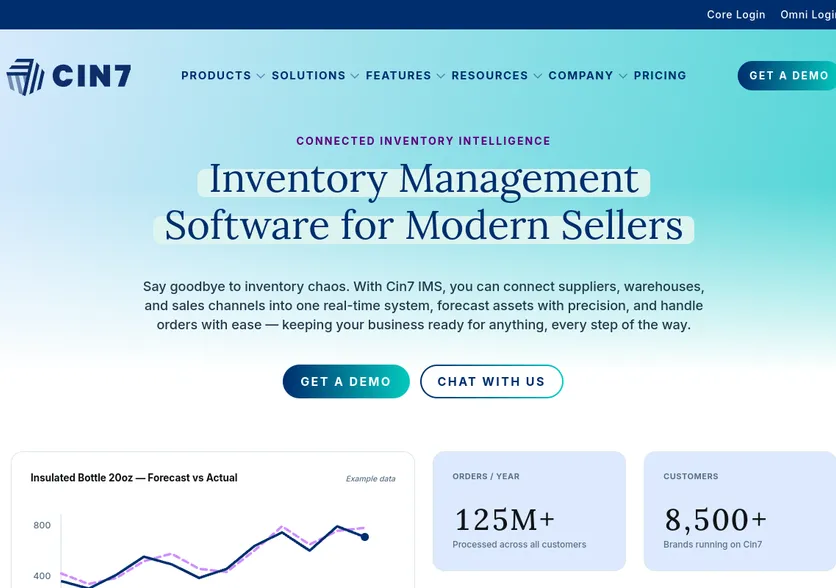
For Veterinary pharmacies, this Cin7 Core plan costs three hundred and forty-nine dollars a month, and it keeps stock accurate across a website, marketplaces and more than one warehouse at the same time. Orders, purchase orders, barcodes and cost tracking share one record, so a wholesaler supplying clinics can see true stock before promising a delivery date. It is built for volume, which is why the entry price sits above the small-pharmacy tools on this list.
What we like
- Real-time stock across channels and warehouses
- Barcode scanning and cost tracking included
- Accounting sync with QuickBooks and Xero
Watch out for
- Entry price is high for a single small pharmacy
- Setup takes longer than the simpler tools here
How to try it
- Connect the sales channels and sync stock in real time
- Set reorder points per warehouse and raise purchase orders automatically
- Track landed costs so margins stay honest on every medicine
5. Katana
Best for: Veterinary suppliers that compound or repack and need batch-level production control
Paid tool Starting price: $299/month · Two hundred and ninety-nine dollars a month for the Starter plan billed annually; higher plans add more users, locations and advanced manufacturing features
Free plan: Free trial
For Veterinary pharmacies, this Katana plan costs two hundred and ninety-nine dollars a month billed annually, and it tracks raw materials through production to finished stock. A compounder can see exactly which batch of an ingredient went into which finished product, which matters when a recall reaches back to a single lot. Sales orders, purchase orders and stock levels update together, so the dispensary never promises what the lab has not made yet.

What we like
- Batch traceability from raw material to finished product
- Production and sales share one stock record
- Real-time stock across sales channels
Watch out for
- Priced for makers, not for a simple retail counter
- Advanced reporting sits on higher plans
How to try it
- Record ingredients by batch when they arrive in the lab
- Build finished products and trace each batch back to its inputs
- Sell from live finished-stock levels, not from a guessed count
6. Fishbowl
Best for: Regulated veterinary operations that need lot traceability and audit-ready records
Paid tool Starting price: $229/month · Two hundred and twenty-nine dollars a month billed annually for the Essentials plan with 2 users; Growth is $429 and Scale is $729 a month, and an implementation package is charged separately
Free plan: Free trial
For Veterinary pharmacies, this Fishbowl plan costs two hundred and twenty-nine dollars a month billed annually, and its Scale plan adds the lot traceability and audit trails a regulated operation needs. Essentials covers barcode stock control with QuickBooks sync for two users, while Growth adds automated reordering and multichannel selling. The separate implementation package is the part to budget for, because Fishbowl is a system you are set up on rather than one you simply switch on.
What we like
- Lot and batch traceability on the Scale plan
- Two-way QuickBooks sync built in
- Barcode scanning on every plan
Watch out for
- Implementation is charged separately from the subscription
- Lot traceability needs the $729 Scale plan
How to try it
- Receive stock by lot and record the lot on every sale
- Run cycle counts from the barcode app and fix variances at once
- Pull the audit trail when a regulator asks where a lot went
7. Lightspeed Retail
Best for: Veterinary pharmacies with a retail counter that also need point of sale
Paid tool Starting price: $89/month · Eighty-nine dollars a month billed annually for the Basic plan (one hundred and nine dollars on monthly billing); Core is one hundred and forty-nine dollars and Plus is two hundred and eighty-nine dollars a month billed annually, and monthly billing costs more
Free plan: Free trial
For Veterinary pharmacies, this Lightspeed Retail plan costs eighty-nine dollars a month billed annually, and it runs the till and the stockroom from the same record. Selling a bottle at the counter drops the shelf count at once, purchase orders refill it, and reports show which medicines actually move. It suits a pharmacy with a shopfront better than a pure back-office system, because the sale and the stock count are never two separate jobs.

What we like
- Point of sale and inventory share one record
- Purchase orders built from low-stock data
- Works across more than one location
Watch out for
- Monthly billing costs more than the annual rate
- The entry plan caps some advanced reporting
How to try it
- Ring up sales at the counter and let stock fall automatically
- Raise purchase orders from the low-stock report each week
- Check the sales report to spot slow lines before they expire
8. Square for Retail
Best for: Single-location veterinary pharmacies that want simple stock with payments built in
Paid tool Starting price: $49/month · Forty-nine dollars per location a month for the Plus plan on Square's own retail pricing page; the Free plan costs $0 per location, Premium is $149 per location, and card processing is charged per transaction on top
Free plan: Free plan for basic retail POS
For Veterinary pharmacies, this Square for Retail plan costs forty-nine dollars per location a month, and it pairs a free retail point of sale with stock tracking, vendor management and cost-of-goods reporting. A small pharmacy can start on the free plan, add the Plus features when the counter gets busy, and take card payments through the same system that counts the stock. The trade-off is depth: it tracks what is on the shelf, not batches and expiry dates.
What we like
- Free plan covers basic retail stock and checkout
- Payments and inventory in one system
- Vendor and purchase order tools on Plus
Watch out for
- No batch or expiry tracking for medicines
- Card processing fees apply on every sale
How to try it
- List every medicine once and set its stock count at the till
- Turn on low-stock alerts and order from the vendor list
- Review cost-of-goods reports to see which lines earn their shelf space
Prices above were checked on each vendor’s own website on Nov 28, 2026 and can change — the vendor’s page is the final word. Vendor links are editorial: nobody paid to be listed or ranked here. Vendors who want a featured listing can see how it works on our Get listed page.
How a veterinary pharmacy should run its stock
Start with the expiry date, not the shelf count. Log every delivery with its batch number and expiry date, then run a short-dated report every week so expiring medicines move to the front or back to the supplier before they become waste. Count controlled substances on a fixed schedule and keep the count in the same system as the sales, because a gap between the two is where audits hurt. Finally, set a reorder point on every fast-moving line and let the system raise the order, so a busy week never ends with an empty shelf and a waiting animal.
Before you buy
- Check that batch numbers and expiry dates are recorded on every delivery, not just on some lines
- Confirm whether lot traceability is included in the price or only on a higher plan
- Ask how the system handles controlled substances, including counts and audit trails
- Count the onboarding and implementation cost separately from the monthly subscription before you compare
- Run a trial with one real delivery, from receipt to dispensing, before you commit
Official websites
Official websites of the products reviewed above. Features and prices were checked against these sites when this guide was written, and they can change, so confirm on the vendor site before you buy.
Frequently asked questions
What is inventory management software for veterinary pharmacies?
It is software that tracks medicines and supplies by batch and lot, records expiry dates, flags short-dated stock, and keeps an audit trail from delivery to dispensing. The tools in this list do that through batch tracking, barcode scanning, reorder points or lot traceability. None of them replaces a pharmacist, but a clean stock record cuts waste and makes a regulatory audit far less painful.
Which tool is cheapest for a small veterinary pharmacy?
Zoho Inventory is cheapest, with a free plan for fifty orders a month and Standard at twenty-nine dollars per organization a month billed annually. Sortly follows with a free plan for one hundred items and Advanced at forty-nine dollars a month. Compare the total, including any onboarding fee, because a cheap subscription with a $499 setup charge can cost more in year one than a higher monthly price.
Do I need batch tracking for a veterinary pharmacy?
Yes, for anything with an expiry date or a recall risk. Batch tracking ties each sale back to the lot it came from, so a recall stops at the affected bottles instead of the whole shelf. Zoho Inventory adds batch tracking on its Professional plan and Fishbowl on its Scale plan, while Sortly and Square track quantities without batches. Pick the tool that matches how strictly your regulator expects you to trace stock.
What does Zoho Inventory cost for a veterinary pharmacy?
Zoho Inventory costs twenty-nine dollars per organization a month billed annually on the Standard plan, or thirty-nine dollars billed monthly. Batch tracking arrives on the Professional plan at seventy-nine dollars a month billed annually. The free plan covers fifty orders a month for one user, so a small practice can test the workflow before paying anything.
Can these tools handle controlled substances?
They can support the record-keeping, but none of them is a controlled-substance register on its own. Use the stock system for counts, batch numbers and audit trails, and keep your legal register exactly as your regulator requires. Fishbowl's audit trails and Katana's batch traceability give the strongest paper trail, while the simpler tools need a manual count routine alongside them.
Compare the eight tools above, then start with a free trial on the tool that tracks batches the way your pharmacy already counts stock.
Browse Business Tools tools