On this page
Handmade work sells on story and photography, so the software behind it should show the craft off, not bury it in a generic catalogue. The nine tools below range from the marketplaces where craft buyers already shop to store builders that let a maker own the brand. Shopify leads because twenty-nine dollars a month buys a polished storefront plus the apps that list the same pieces on Etsy and Amazon, and the rest are judged on the same test: how well they turn a maker's work into sales without drowning the maker in admin.
How we researched this
We checked every price on the vendor pricing page on November 28, 2026, and only included tools with a published US dollar list price. Amazon and Walmart sell handmade goods too, but their subscription maths belong in the reseller list, so they are not repeated here. Prices change, so confirm the current figure on the vendor site before you buy.
Compare the tools
| Name | Best for | Starting price | Free plan | |
|---|---|---|---|---|
 Shopify | Handmade sellers building a brand beyond one marketplace | $29/month | 3-day free trial | Visit |
 WooCommerce | Artisans who already blog or sell through WordPress | $29/month | Free plan | Visit |
 BigCommerce | Handmade brands scaling from a stall to a full shop | $29/month | 15-day free trial | Visit |
 Squarespace | Makers whose portfolio and story sell the work | $29/month | 14-day free trial | Visit |
 Wix | Artisans who want a shop live without learning code | $29/month | Free plan | Visit |
| Sharetribe | Craft communities building their own multi-seller marketplace | $99/month | 14-day free trial | Visit |
| CS-Cart | Craft collectives wanting a self-hosted multi-vendor shop | $61/month | Free trial | Visit |
| Etsy | Handmade sellers reaching buyers who already shop for craft | $10/month | Free plan | Visit |
 Square Online | Makers who already sell at fairs with Square | $0/month | Free plan | Visit |
The marketplace software for handmade artisans, compared
1. Shopify
Best for: Handmade sellers building a brand beyond one marketplace
Paid tool Starting price: $29/month · Twenty-nine dollars a month for Basic on annual billing, or thirty-nine dollars month to month; Grow is eighty-nine dollars a month billed annually and Advanced is three hundred fifty-nine dollars
Free plan: 3-day free trial
Shopify Basic costs twenty-nine dollars a month when billed annually, giving a handmade seller a hosted storefront with checkout, inventory and a theme that makes craft photography look its best. The same products can be listed on Etsy, Amazon and social channels through apps, so a maker is not trapped on one marketplace. For an artisan whose brand is the product, that independence from marketplace rules is worth more than the monthly fee.

What we like
- Polished themes that flatter handmade photography
- Checkout, inventory and discounts built in
- Sales channels for Etsy, Amazon and social media
Watch out for
- The monthly fee applies even in a slow craft season
- Transaction fees apply unless you use Shopify Payments
How to try it
- Choose a theme that suits the craft
- Photograph each piece and write the story behind it
- Connect Etsy and social channels to the same catalogue
2. WooCommerce
Best for: Artisans who already blog or sell through WordPress
Paid tool Starting price: $29/month · Twenty-nine dollars a month for the vendor-hosted plan; the WordPress plugin itself is free, and extensions for payments, shipping and bookings are sold separately
Free plan: Free plan
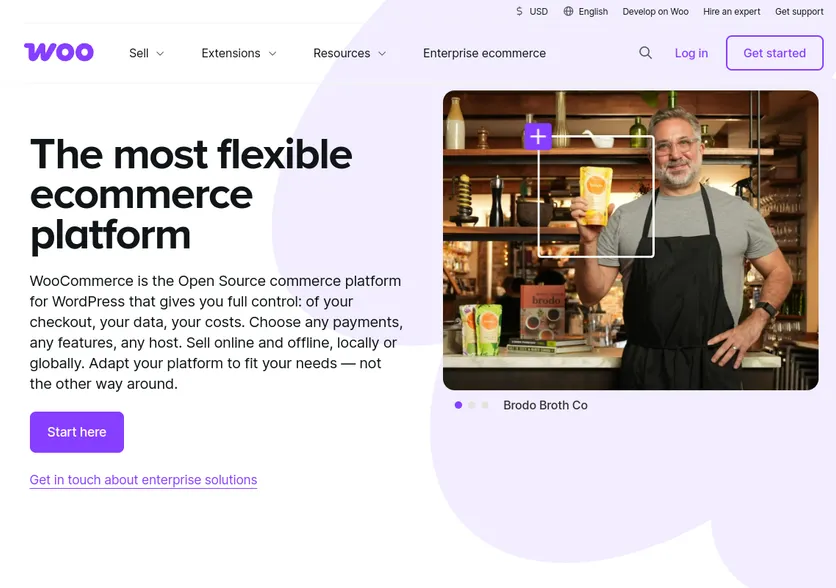
WooCommerce starts free as a WordPress plugin, and the vendor-hosted plan costs twenty-nine dollars a month for a maker who wants hosting handled. A craft seller keeps every customer email and every design choice, which matters when the whole business is a personal brand. The trade-off is maintenance: updates, backups and marketplace extensions are the seller's job, so allow an afternoon a month for upkeep.
What we like
- The core plugin costs nothing to start
- Full ownership of customer data and design
- Craft-friendly extensions for bookings and deposits
Watch out for
- Hosting, updates and security fall on the seller
- Marketplace feeds need extra extensions
How to try it
- Install WooCommerce on the existing WordPress site
- Add a payment gateway and shipping zones
- List products with the story behind each piece
3. BigCommerce
Best for: Handmade brands scaling from a stall to a full shop
Paid tool Starting price: $29/month · Twenty-nine dollars a month for Core on annual billing, or thirty-nine dollars month to month; Growth is seventy-nine dollars and Scale is two hundred ninety-nine dollars, each with a gross sales cap
Free plan: 15-day free trial
BigCommerce Core is twenty-nine dollars a month on annual billing, and it suits a handmade brand that has outgrown a single marketplace stall. The platform handles search optimisation, discounts and multi-channel feeds without a pile of paid apps, so a maker can spend time crafting instead of configuring. The annual gross sales cap is the limit to watch, because a viral season can push a shop into the next tier mid-year.

What we like
- No transaction fees on its own checkout
- Built-in SEO and discount tools for makers
- Multi-channel feeds without extra apps
Watch out for
- Annual gross sales caps force tier upgrades
- Fewer craft-specific themes than its rivals
How to try it
- Import the product catalogue and photos
- Set up discounts for seasonal craft fairs
- Connect Etsy and Amazon as extra sales channels
4. Squarespace
Best for: Makers whose portfolio and story sell the work
Paid tool Starting price: $29/month · Twenty-nine dollars a month for Core on annual billing, or thirty-nine dollars month to month; Basic is nineteen dollars, Plus is forty-nine dollars and Advanced is ninety-nine dollars. Squarespace renamed its plans in February 2026 (Personal became Basic, Business became Core, Commerce Basic became Plus, Commerce Advanced became Advanced) and raised prices in July 2026.
Free plan: 14-day free trial
Squarespace Core runs twenty-nine dollars a month on annual billing, and for a maker it is really a portfolio that happens to sell. The templates show off ceramics, textiles and jewellery beautifully, and the blog and email tools let a maker tell the story behind each piece. Commerce features are lighter than on the dedicated store platforms, so it fits artisans whose main channel is their own site rather than marketplaces.

What we like
- Gallery-led templates that flatter craft photography
- Blog and email marketing in the same account
- A store that feels like a portfolio, not a warehouse
Watch out for
- Commerce tools are lighter than on store-first rivals
- Marketplace feeds need third-party help
How to try it
- Pick a gallery-led template for the craft
- Write the story behind each collection
- Add commerce and set shipping for fragile items
5. Wix
Best for: Artisans who want a shop live without learning code
Paid tool Starting price: $29/month · Twenty-nine dollars a month for Core on annual billing, or thirty-six dollars month to month; Light is seventeen dollars and Business is thirty-six dollars on annual billing, with Elite at one hundred fifty-nine dollars
Free plan: Free plan
Wix Core costs twenty-nine dollars a month on annual billing, and its drag-and-drop builder lets a maker arrange a shop the way a market stall is arranged: by eye, not by code. Payments, bookings and email campaigns sit in one dashboard, which suits an artisan who sells at fairs as well as online. The free plan is fine for a portfolio, but taking payments needs the paid plan, so budget for the upgrade from day one.

What we like
- Drag-and-drop design that needs no code
- Bookings and email tools for craft fair follow-up
- A free plan for a portfolio before selling
Watch out for
- Selling requires a paid plan
- Marketplace connections depend on apps
How to try it
- Choose a template and drag products into place
- Set shipping for fragile handmade items
- Connect a payment provider before launch
6. Sharetribe
Best for: Craft communities building their own multi-seller marketplace
Paid tool Starting price: $99/month · Ninety-nine dollars a month for Lite on annual billing, or one hundred thirty-nine dollars month to month; Pro is one hundred ninety-nine dollars and Extend is two hundred ninety-nine dollars, plus nineteen cents per transaction past the included quota. The thirty-nine-dollar Build plan is test-only
Free plan: 14-day free trial
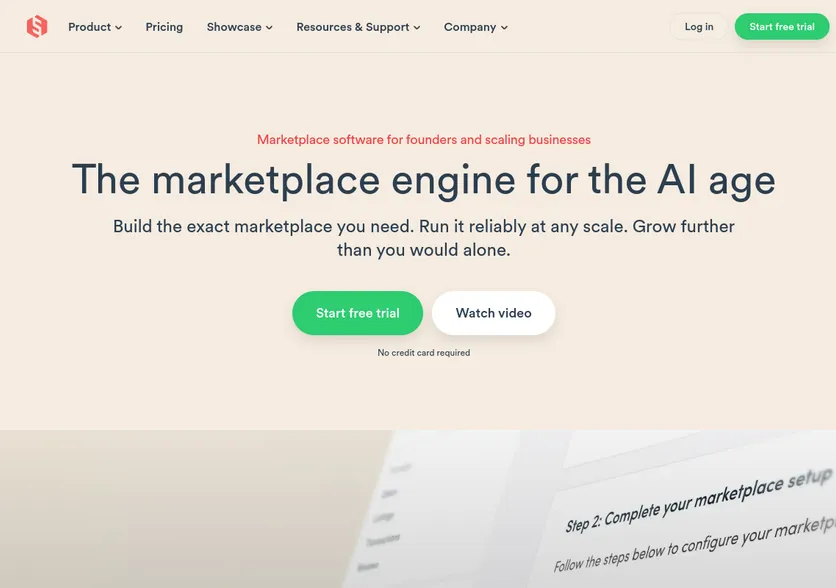
A maker who wants to run a marketplace of their own, not just a stall on one, pays ninety-nine dollars a month for Sharetribe Lite on annual billing. It hosts a multi-seller marketplace where other artisans can list, so a craft community can sell together under one brand. That is a different job from running a single shop, and the price only makes sense once several sellers share the marketplace.
What we like
- A full multi-seller marketplace with no code
- Each seller manages their own listings and payouts
- No-code setup for a community marketplace
Watch out for
- Ninety-nine dollars a month is steep for one seller
- Transaction overage fees apply past the quota
How to try it
- Define the marketplace categories and seller rules
- Invite the first sellers and approve their listings
- Set the commission and payout flow
7. CS-Cart
Best for: Craft collectives wanting a self-hosted multi-vendor shop
Paid tool Starting price: $61/month · Sixty-one dollars a month for Standard billed annually, or seven hundred thirty-two dollars a year; Plus is one hundred twenty-one dollars and Ultimate is three hundred dollars, with lifetime licences from three thousand five hundred ninety dollars
Free plan: Free trial
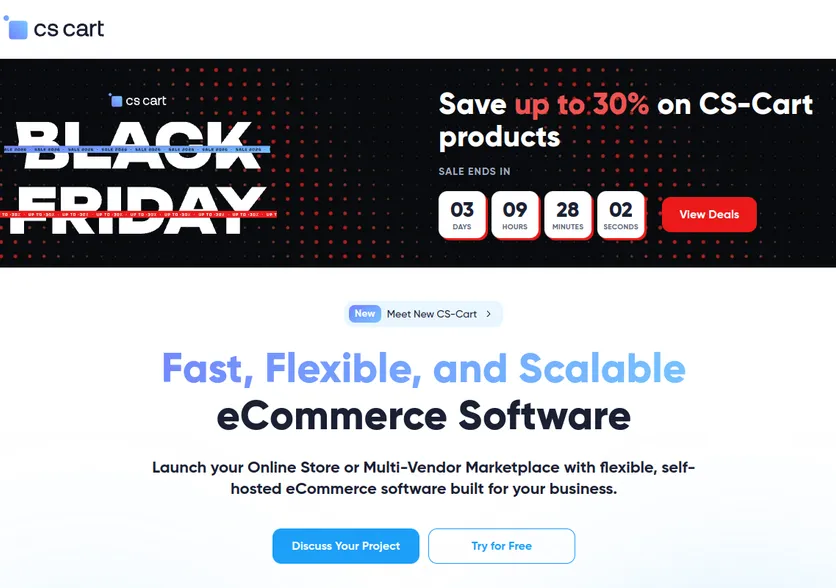
A handmade seller who wants a store they fully own can take CS-Cart Standard for sixty-one dollars a month billed annually. The platform supports multi-vendor marketplaces, so a craft collective can run many makers under one roof with separate storefronts. It is more technical than the hosted builders, which suits a seller with a developer on call rather than a solo maker.
What we like
- Multi-vendor support for craft collectives
- Full ownership of the store and its data
- Lifetime licences for sellers who hate subscriptions
Watch out for
- More technical setup than hosted builders
- The entry price is higher than most maker tools
How to try it
- Install CS-Cart and choose a craft theme
- Set up vendor accounts for each maker
- Configure shipping and payment rules per vendor
8. Etsy
Best for: Handmade sellers reaching buyers who already shop for craft
Paid tool Starting price: $10/month · Ten dollars a month for Etsy Plus, which includes fifteen listing credits and five dollars of Etsy Ads credit; the Standard shop is free apart from twenty cents per listing
Free plan: Free plan
Etsy Plus costs ten dollars a month, and it is the paid tier of the marketplace where handmade buyers already shop. A maker gets fifteen listing credits and five dollars of ads credit, plus a custom web address and restock alerts that the free Standard shop lacks. For most artisans the real cost is the listing and transaction fees, so Plus only pays off once the shop lists regularly.
What we like
- Buyers arrive already looking for handmade goods
- Fifteen listing credits and ads credit on Plus
- A trusted checkout that craft buyers know
Watch out for
- Listing and transaction fees apply on every sale
- The shop sits inside Etsy's rules, not your own
How to try it
- Open a shop and list the first pieces
- Use the Plus credits for the bestsellers
- Spend the ads credit on the listings with the best photos
9. Square Online
Best for: Makers who already sell at fairs with Square
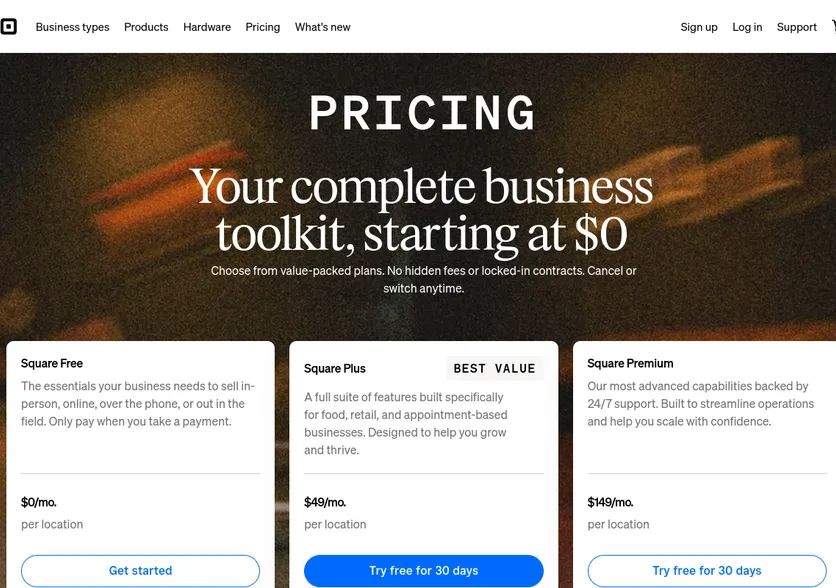
Paid tool Starting price: $0/month · Zero dollars a month for the free plan, with card processing fees on each sale; Plus is twenty-nine dollars a month billed annually and Premium is seventy-nine dollars
Free plan: Free plan
Square Online costs nothing a month on its free plan, which makes it the cheapest way for a maker to start selling online. A seller who already takes card payments at craft fairs with Square gets an online store using the same catalogue and inventory, so stock stays in sync between the stall and the site. The free plan charges card processing on every sale, and the paid plans add the features a growing shop needs.
What we like
- Free plan with no monthly fee
- One catalogue for the market stall and the website
- Simple setup tied to Square payments
Watch out for
- Card processing fees apply to every sale
- Fewer design options than craft-focused builders
How to try it
- Connect the existing Square account
- Publish the free online store
- Sync stall and website stock before the next fair
Prices above were checked on each vendor’s own website on Nov 28, 2026 and can change — the vendor’s page is the final word. Vendor links are editorial: nobody paid to be listed or ranked here. Vendors who want a featured listing can see how it works on our Get listed page.
How to sell handmade work online without losing the craft in the admin
Start with the photography, because handmade buyers decide with their eyes before they read a word. Shoot each piece in natural light, show it in use, and write two sentences about how it was made. Then pick one home base for the catalogue, whether that is a store or a marketplace shop, and let the other channels feed from it so stock never double-sells. Price for the fees as well as the materials: listing fees, transaction fees and shipping can take a third of a small item. Finally, answer buyers quickly and personally, because the maker behind the work is the reason many customers choose handmade at all.
Before you buy
- Confirm the listing, transaction and payment fees together, because they cost more than the subscription
- Check whether stock syncs between the shop and the marketplace, or needs manual updates
- Ask if the tool shows the work well, with galleries and a story, not just a grid of prices
- Make sure shipping rules handle fragile, made-to-order and custom-sized pieces
- Test the checkout on a phone, since most craft buyers shop from one
Official websites
Official websites of the products reviewed above. Features and prices were checked against these sites when this guide was written, and they can change, so confirm on the vendor site before you buy.
Frequently asked questions
What is marketplace software for handmade artisans?
It is software that helps makers sell handmade goods online, either on a marketplace where craft buyers already shop, such as Etsy, or through a store of their own, such as Shopify or Squarespace. The best tools handle listings, photos, payments and shipping in one place, and some also feed the same products to several marketplaces at once. A maker picks based on where buyers find them and how much of the brand they want to own.
How much does marketplace software cost for handmade sellers?
Entry prices in this list run from zero dollars a month for Square Online free to ninety-nine dollars a month for Sharetribe Lite. Most makers land between ten and twenty-nine dollars a month: Etsy Plus is ten dollars, Squarespace Business is twenty-three dollars and Shopify Basic is twenty-nine dollars. Listing and transaction fees cost more than the subscription, so a maker should model those before choosing.
Is Etsy or Shopify better for handmade sellers?
Etsy is better for reaching buyers, because people arrive already looking for handmade goods, and Plus costs ten dollars a month. Shopify is better for owning the brand, because twenty-nine dollars a month buys a store with the maker's own domain, email list and rules. Many makers run both: Etsy brings discovery and Shopify holds the repeat customers.
Can I sell handmade goods online for free?
Yes, with limits. Square Online has a free plan, WooCommerce costs nothing as a plugin, and an Etsy Standard shop is free apart from twenty cents per listing. Wix also offers a free plan for a portfolio. A free start works for testing demand, but taking payments, listing widely and syncing stock usually needs a paid plan once orders arrive regularly.
What fees should handmade sellers watch for?
Four fees matter most: the monthly subscription, the listing fee per item, the transaction fee on each sale, and the payment processing fee. Etsy charges twenty cents per listing plus transaction and payment fees, while Amazon adds referral fees of eight to fifteen percent. Shipping is the hidden fifth cost, especially for fragile or heavy handmade pieces, so build it into the price.
Compare the nine tools above, then start with a free trial or the free plan on the tool that matches how you already sell before you pay for a full year.
Browse Business Tools tools