On this page
Legal aid runs on grants and goodwill, which means the software has to be cheap, simple and honest about what it costs, while still tracking hundreds of cases for people who cannot pay. The eight tools below fit that reality for organizations of every size, from a two-person clinic to a statewide program. CaseFox leads because its free Solo plan covers two users and four cases with the full feature set, and the paid plan is the cheapest in this list at thirty-nine dollars per user a month, with the rest ranked on value for grant-funded work.
How we researched this
We checked every price on the vendor pricing page on November 28, 2026, and only included tools with a published US dollar list price. The big platforms that sell by quote, including Smokeball, Filevine, LEAP and Actionstep, publish no prices, so they are not in this list. Prices change, so confirm the current figure on the vendor site before you buy.
Compare the tools
| Name | Best for | Starting price | Free plan | |
|---|---|---|---|---|
 Clio | Firms that want the most widely used platform | $49/user/month | 7-day free trial | Visit |
 MyCase | Small firms that want billing and texting built in | $50/user/month | 10-day free trial | Visit |
 PracticePanther | Firms that want published prices and fast intake | $49/user/month | 7-day free trial | Visit |
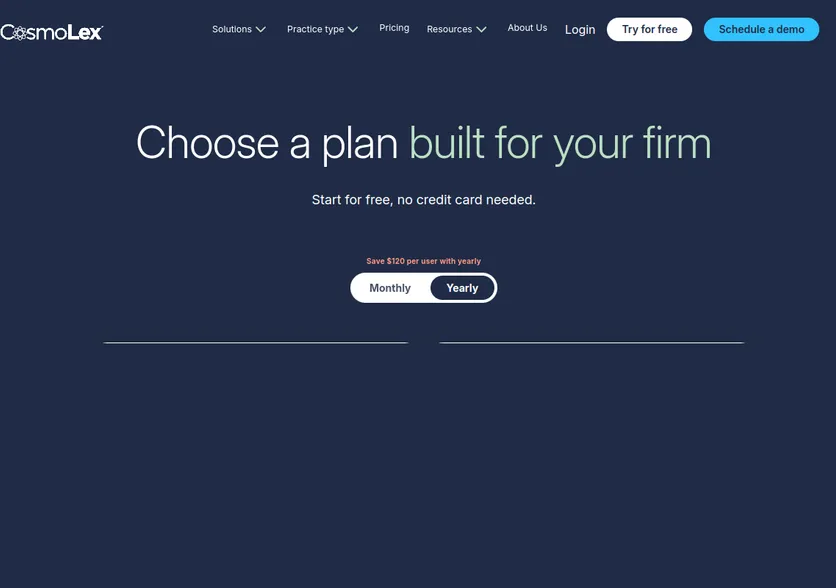
 CosmoLex | Firms that want accounting built in | $49/user/month | 10-day free trial | Visit |
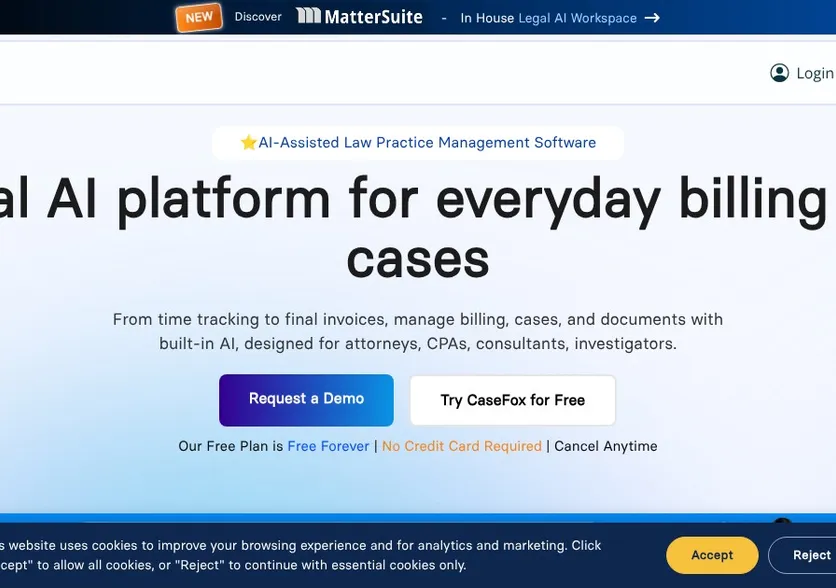
 CaseFox | Budget-conscious solos and small firms | $39/user/month | Free plan (2 users, 4 cases) | Visit |
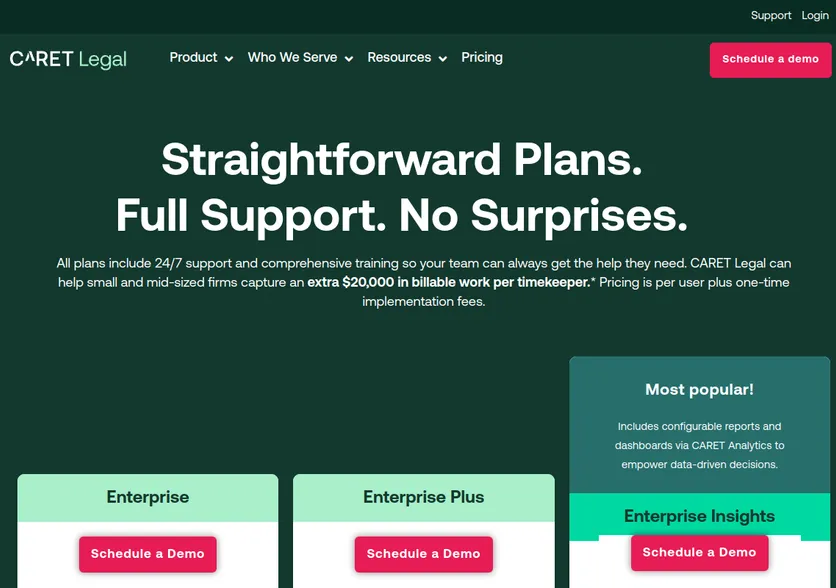
 CARET Legal | Firms that want email and accounting in one system | $79/user/month | No free plan; book a demo | Visit |
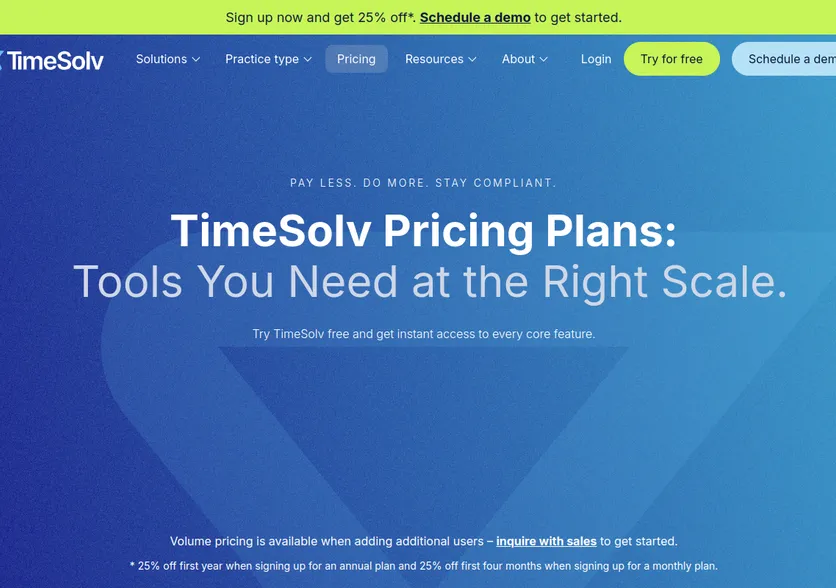
 TimeSolv | Firms that bill by the hour | $43/user/month | Free trial available | Visit |
| Lawmatics | High-intake firms that automate follow-up | $199/month | No free plan; demo available | Visit |
The practice management software for legal aid organizations, compared
1. Clio
Best for: Firms that want the most widely used platform
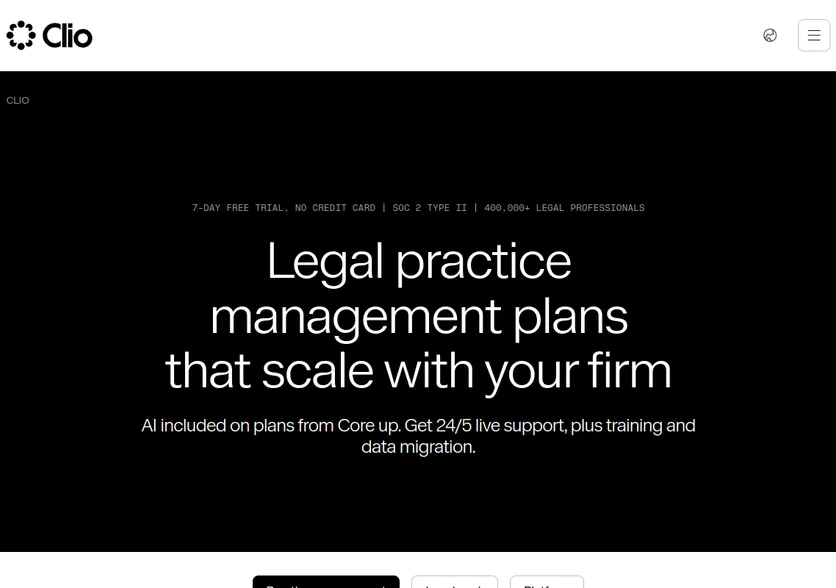
Paid tool Starting price: $49/user/month · Forty-nine dollars per user a month billed annually on EasyStart ($59 billed monthly); Essentials is $89 a user a month billed annually ($99 monthly), Advanced $119, Complete $149; higher tiers are quoted; the $79 Essentials figure in older guides is stale
Free plan: 7-day free trial
Running an legal aid organization on this Clio plan costs forty-nine dollars per user a month billed annually, with the matter file, calendar and billing in one workspace, and it covers matters, billing and documents in one workspace. Matters, documents, calendar, time and billing sit in one workspace, and Clio Grow adds intake and electronic signature. It is the default comparison point for legal aid organization buyers, with integrations for accounting, document automation and payments.
What we like
- Matter-centered workspace with documents, calendar and billing together
- Largest integration library in legal practice management
- Clio Grow intake and e-signature bolt on cleanly
Watch out for
- Trust accounting add-ons and higher tiers raise the real monthly cost
- The interface packs in so much that new staff need training time
How to try it
- Create a matter and add the client, contacts and key dates
- Log time and expenses as work happens
- Share documents and updates through the client portal
2. MyCase
Best for: Small firms that want billing and texting built in
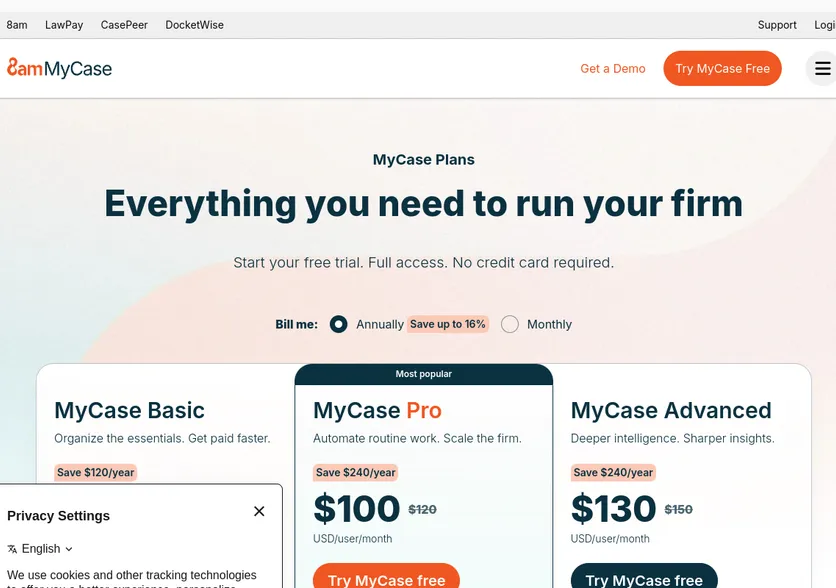
Paid tool Starting price: $50/user/month · Fifty dollars per user a month billed annually on Basic ($60 billed monthly); Pro is $100 a user a month billed annually ($120 monthly) and Advanced is $130 ($150 monthly); MyCase Accounting adds $39 per user a month on Pro and Advanced; prices rose in August 2026 from $39, $89 and $109
Free plan: 10-day free trial
Running an legal aid organization on this MyCase plan costs fifty dollars per user a month billed annually, with the matter file, calendar and billing in one workspace, and it bundles cases, billing, texting and a client portal. Cases, billing, documents and a client portal sit in one simple system, with two-way texting that keeps clients informed. For a legal aid organization, the draw is how little setup it needs, since intake forms, payment links and texting work out of the box.
What we like
- Client portal with two-way texting and payment links
- Simple setup that a small team learns in days
- Intake forms and lead tracking included from the start
Watch out for
- Full trust accounting costs thirty-nine dollars extra per user a month
- Reporting is lighter than the enterprise platforms
How to try it
- Add the client and open a case with the intake form
- Send documents and payment requests through the portal
- Track time and send the invoice when the work is done
3. PracticePanther
Best for: Firms that want published prices and fast intake
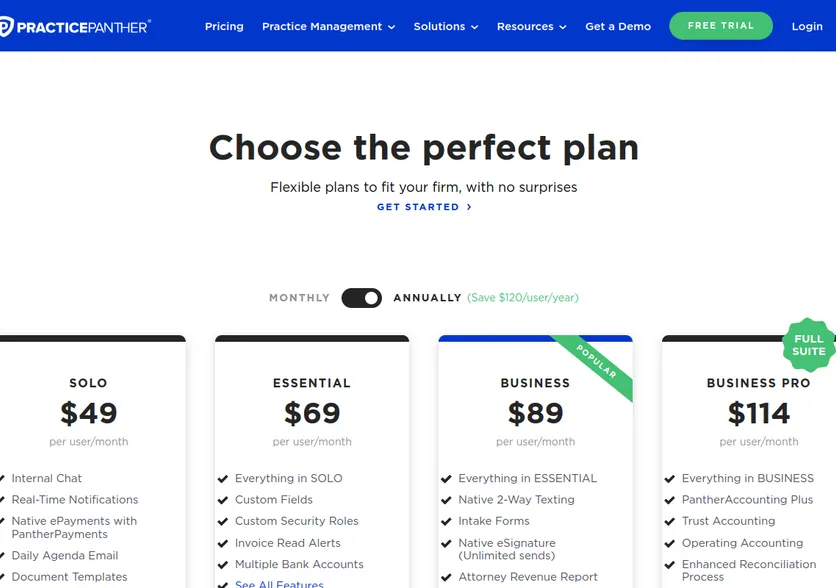
Paid tool Starting price: $49/user/month · Forty-nine dollars per user a month billed annually on Solo ($59 billed monthly); Essential is $69 ($79 monthly), Business $89 ($99 monthly) and Business Pro $114 ($124 monthly); annual billing saves $120 per user a year
Free plan: 7-day free trial
Running an legal aid organization on this PracticePanther plan costs forty-nine dollars per user a month billed annually, with the matter file, calendar and billing in one workspace, and it covers intake, cases, billing and payments in a clean interface. Intake, cases, documents, time and billing run in a clean interface, with native electronic signature and payment links. A legal aid organization that wants every plan priced in public will like the four published tiers, since the firm can budget without a sales call.
What we like
- Four published plans, so budgeting needs no sales call
- Native e-signature and payment links in every plan
- Fast intake forms with two-way texting
Watch out for
- Full trust accounting needs the Business Pro tier
- Automations are thinner than the dedicated intake CRMs
How to try it
- Build an intake form and share it on the firm website
- Open the matter and track time against it
- Send the invoice with a payment link
4. CosmoLex
Best for: Firms that want accounting built in
Paid tool Starting price: $49/user/month · Forty-nine dollars per user a month billed annually on Launch ($59 billed monthly); Core is $99 a user a month billed annually ($109 monthly) and Pro is $129 ($139 monthly)
Free plan: 10-day free trial
Running an legal aid organization on this CosmoLex plan costs forty-nine dollars per user a month billed annually, with the matter file, calendar and billing in one workspace, and it pairs practice management with full legal accounting. Practice management comes with full legal accounting built in, so business and trust ledgers, billing and matter files live in the same system. For a legal aid organization that reconciles trust accounts every month, that single ledger is the point, since it removes the sync errors of a separate app.
What we like
- Full business and trust accounting built into the base plan
- Single ledger removes sync errors between apps
- LEDES billing and matter accounting in one place
Watch out for
- The interface feels dated next to newer rivals
- Core and Pro tiers cost double or more than Launch
How to try it
- Set up the matter and link it to the client ledger
- Record time and expenses, then bill the matter
- Reconcile the trust account inside CosmoLex each month
5. CaseFox
Best for: Budget-conscious solos and small firms
Paid tool Starting price: $39/user/month · Thirty-nine dollars per user a month billed annually on Pro ($45 billed monthly); Enterprise is $79; the free Solo plan covers 2 users and 4 cases with all Pro features
Free plan: Free plan (2 users, 4 cases)
Running an legal aid organization on this CaseFox plan costs thirty-nine dollars per user a month billed annually, with the matter file, calendar and billing in one workspace, and it covers cases, time, billing and trust accounting at the lowest price here. Case management, timekeeping, billing, invoicing, trust accounting and document storage come in one hosted platform, and the free Solo plan covers two users and four cases. A legal aid organization on a tight budget gets the cheapest paid tier in this list, and the free plan means a solo can run real matters for months before paying.
What we like
- Cheapest paid tier in this list at thirty-nine dollars
- Free Solo plan covers two users and four cases
- Time, billing and trust accounting in one hosted app
Watch out for
- Fewer integrations than the larger platforms
- Support and training resources are thinner than the big names
How to try it
- Sign up for the free Solo plan and add a case
- Track time and expenses against the matter
- Generate the invoice and send it with a payment link
6. CARET Legal
Best for: Firms that want email and accounting in one system
Paid tool Starting price: $79/user/month · Seventy-nine dollars per user a month billed annually on Enterprise; Enterprise Plus is $99 and Enterprise Insights is $119; one-time implementation fees sit on top of the subscription; formerly Zola Suite
Free plan: No free plan; book a demo
Running an legal aid organization on this CARET Legal plan costs seventy-nine dollars per user a month billed annually, with the matter file, calendar and billing in one workspace, and it bundles email, documents, billing and accounting in one system. The platform formerly known as Zola Suite pairs matter management with built-in email, document management, LEDES invoicing and integrated payments. For a legal aid organization that wants one system for email, documents, billing and accounting, CARET Legal is the most complete bundle here, though implementation fees sit on top.
What we like
- Built-in email plus full legal accounting in one system
- Document automation included from the entry tier
- LEDES invoicing and integrated payments standard
Watch out for
- One-time implementation fees add to the first-year cost
- Highest starting price in this list
How to try it
- Migrate matters, documents and email into CARET Legal
- Set up billing templates and the trust ledger
- Use the client portal to share documents
7. TimeSolv
Best for: Firms that bill by the hour
Paid tool Starting price: $43/user/month · Forty-three dollars per user a month billed annually on Pro; Legal is $58 billed annually; the 25 percent first-year promo is not the list price; $49.99 and $47.50 figures are Legal monthly and annual per-user rates at small seat counts
Free plan: Free trial available
Running an legal aid organization on this TimeSolv plan costs forty-three dollars per user a month billed annually, with the matter file, calendar and billing in one workspace, and it leads with time tracking and LEDES billing. Time tracking and billing lead, with document management, invoicing, reporting and conflict checks on the Legal plan, and LEDES formats for corporate and insurance clients. A legal aid organization that lives or dies by billable hours will like the timer discipline here, since multiple timers and batch invoices keep realization rates visible.
What we like
- Strong time tracking with multiple timers and expenses
- LEDES billing for corporate and insurance clients
- Batch invoicing keeps realization rates visible
Watch out for
- Practice management features are thinner than the full suites
- The Legal plan costs more for conflict checks and trust tools
How to try it
- Start a timer when work begins and stop it when it ends
- Add expenses and review the time entries weekly
- Generate batch invoices in LEDES format
8. Lawmatics
Best for: High-intake firms that automate follow-up
Paid tool Starting price: $199/month · Last published prices: Lite one hundred ninety-nine dollars a month flat and Pro two hundred ninety-nine dollars a month flat, billed annually; the vendor no longer publishes prices on its pricing page, so confirm the current rate before buying
Free plan: No free plan; demo available
Running an legal aid organization on this Lawmatics plan costs one hundred and ninety-nine dollars a month flat, with intake pipelines, forms and follow-up in one workspace, and it automates intake from first call to signed client. Lawmatics is the intake-focused CRM in this list, with pipelines, automated messages, intake forms and electronic signature that move new clients from first call to signed engagement. For a legal aid organization that wins work on speed of response, the automation matters most, since drip follow-ups chase leads the firm would otherwise lose.

What we like
- Deepest intake automation of any tool in this list
- Flat per-firm pricing instead of per-seat billing
- Drip campaigns and round-robin booking included
Watch out for
- It is an intake CRM, not a full practice management system
- The vendor no longer publishes prices, so confirm the current rate
How to try it
- Build an intake form and connect it to the pipeline
- Set up automated follow-up messages for new leads
- Send the engagement letter for signature
Prices above were checked on each vendor’s own website on Nov 28, 2026 and can change — the vendor’s page is the final word. Vendor links are editorial: nobody paid to be listed or ranked here. Vendors who want a featured listing can see how it works on our Get listed page.
How to run a legal aid caseload on a grant budget
Start with the free plan and only pay when the caseload outgrows it, because grant money should go to clients, not to software seats. Track every case outcome in the matter file, since funders ask for numbers. Use intake forms that clients can complete on a phone, because many legal aid clients have no computer and no email address. Keep the trust ledger clean even when the fees are small, since grant audits look at the same books as paying clients do. Train volunteers on one workflow.
Before you buy
- Confirm the tool has a free plan or a low entry price that fits a grant budget
- Check whether intake forms work on a phone for clients without a computer
- Ask if reporting can produce the outcome numbers funders ask for each year
- Make sure volunteers can learn the workflow in a single training session
- Test the tool on a real clinic caseload before paying, including the grant reports
Official websites
Official websites of the products reviewed above. Features and prices were checked against these sites when this guide was written, and they can change, so confirm on the vendor site before you buy.
Frequently asked questions
What is the best practice management software for legal aid organizations?
CaseFox is the best pick for most legal aid organizations, because its free Solo plan covers two users and four cases with all Pro features, and the paid plan is thirty-nine dollars per user a month billed annually. Clio is the better choice for larger programs that need the widest integration library. MyCase suits clinics whose clients reply by text rather than email.
How much does CaseFox cost for a legal aid organization?
CaseFox costs thirty-nine dollars per user a month billed annually on Pro, or forty-five dollars billed monthly, and Enterprise is seventy-nine dollars. The free Solo plan covers two users and four cases with the full Pro feature set, so a small clinic can run real cases for months before paying. Larger programs should compare the per-seat total against Clio at forty-nine dollars.
Is there a free practice management option for legal aid organizations?
Yes, CaseFox offers a free Solo plan covering two users and four cases with all Pro features, which is the only genuine free plan in this list. It suits a small clinic or a single program team. No other tool here has a free tier, though Clio, MyCase and PracticePanther offer free trials.
Which tool is best for grant reporting?
Clio is the strongest pick for grant reporting, because its reporting covers matter outcomes, time and revenue in one place and its integration library connects to the accounting tools funders expect. CosmoLex is the better pick where the grant audit focuses on the books, since full business and trust accounting are built in. Either way, outcomes must be logged in the matter file.
Which tool is best for a small legal aid clinic?
CaseFox is the best value for a small legal aid clinic, at thirty-nine dollars per user a month billed annually, with a free Solo plan to start on. MyCase is the better pick if clients are easier to reach by text, since two-way texting and a client portal come built in. Clio suits clinics that plan to grow into a statewide program.
Compare the eight tools above, then start with the free CaseFox plan or a free trial on the tool that matches how the organization already handles legal aid cases before paying for a full year.
Browse Business Tools tools