On this page
Repair and return requests are where an online store either keeps a customer or loses one, so the software behind them has to track each case from first message to fixed product. The eight tools below handle repair tickets through help desks, and the strongest add order context, automation and AI so agents resolve cases faster. Zoho Desk leads because its Standard plan costs fourteen dollars per agent a month, and the rest are ranked on how well they turn repair requests into closed cases.
How we researched this
We checked every price on the vendor pricing page on November 28, 2026, and only included tools with a published US dollar list price. Kustomer publishes no plan prices, so it is not in this list. Prices change, so confirm the current figure on the vendor site before you buy.
Compare the tools
| Name | Best for | Starting price | Free plan | |
|---|---|---|---|---|
 Zoho Desk | Ecommerce teams that want a flexible help desk | $14/agent/month | Free plan | Visit |
 Gorgias | Chat-heavy stores that sell through conversation | $10/month | Free trial | Visit |
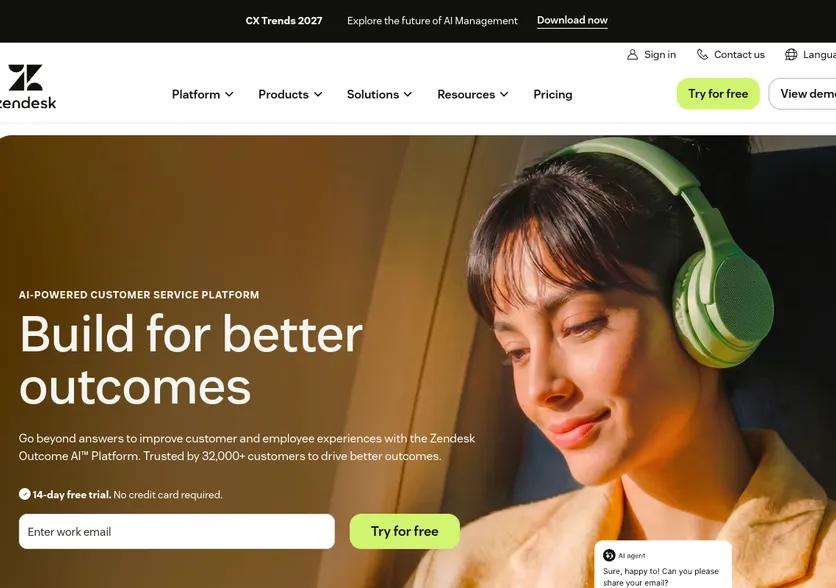
 Zendesk | Growing brands that want proven service software | $19/agent/month | 14-day free trial | Visit |
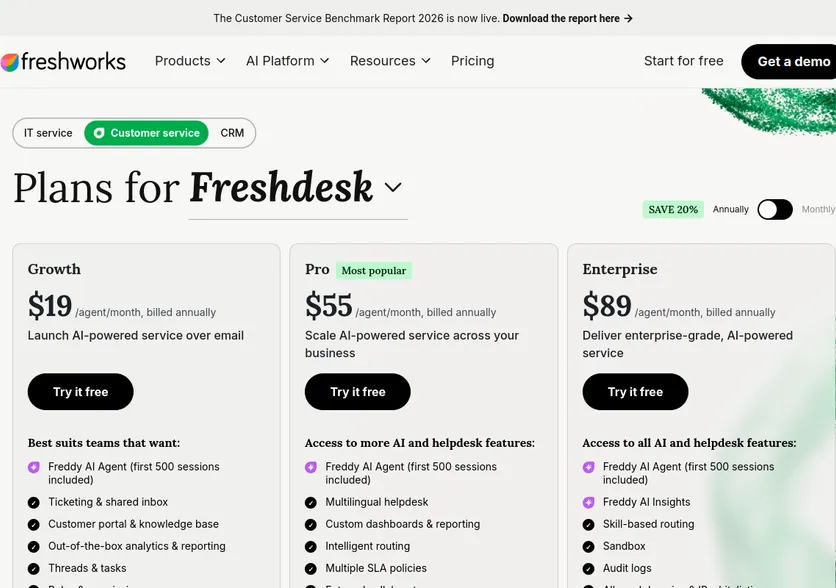
 Freshdesk | Stores that want structured ticketing and automation | $19/agent/month | Free plan | Visit |
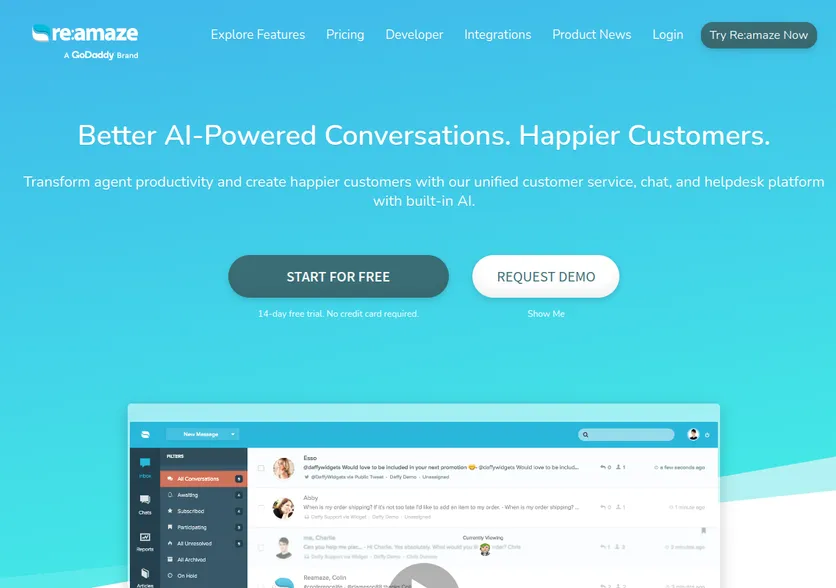
| Re:amaze | Small ecommerce teams that want simple support | $26.10/agent/month | Fourteen-day free trial, no free plan | Visit |
| Richpanel | Stores with enough volume for AI resolution | $99/seat/month | No free plan; free trial available | Visit |
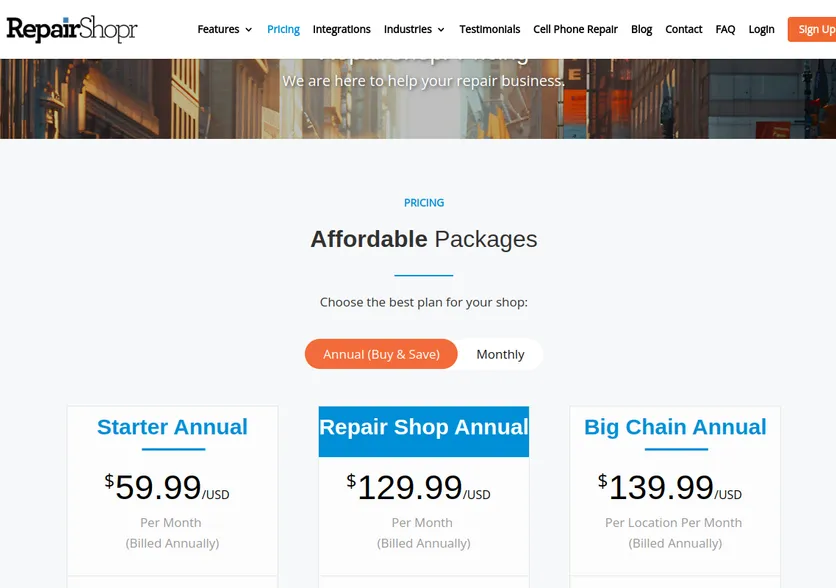
 RepairShopr | Ecommerce brands that run a real repair operation | $59.99/month | No free tier published on the pricing page; free trial available | Visit |
| RepairDesk | Brands with a physical repair counter | $79/month | No free plan; free demo | Visit |
The repair management software for ecommerce brands, compared
1. Zoho Desk
Best for: Ecommerce teams that want a flexible help desk
Paid tool Starting price: $14/agent/month · Fourteen dollars per agent a month on Standard billed annually; Express is seven dollars, Professional is twenty-three dollars and Enterprise is forty dollars
Free plan: Free plan
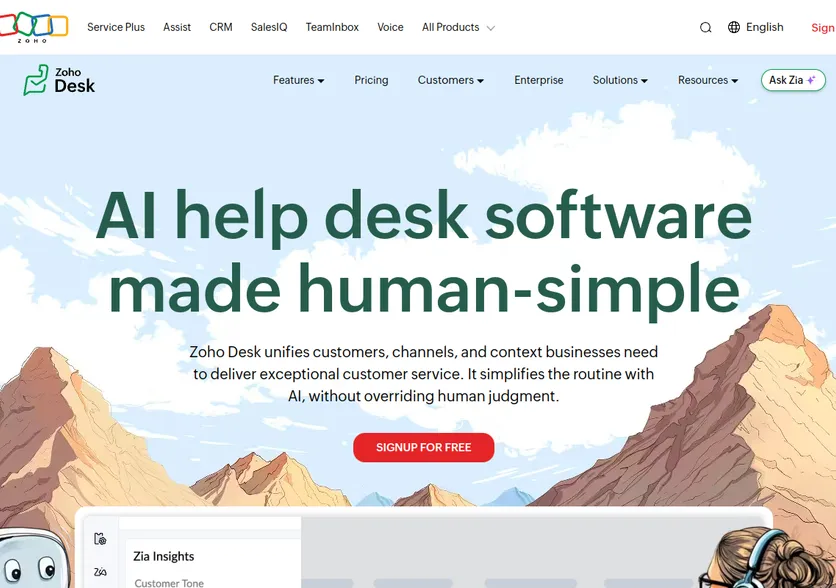
Fourteen dollars per agent a month on the Standard plan billed annually buys a unified help desk where repair and return requests arrive from email, chat and social channels into one queue with routing, SLAs and automation from Zoho Desk. The Express plan at seven dollars covers the basics, while Professional at twenty-three dollars adds more automation and reporting. It fits an ecommerce team that wants a flexible desk it can shape around its own repair process.
What we like
- Omnichannel tickets with routing and SLAs
- Automation that moves repair cases to the right agent
- Free plan for very small teams
Watch out for
- Repair-specific workflows need configuration
- The full platform can feel complex at first
How to try it
- Connect email, chat and social channels to one queue
- Build a repair workflow with statuses and SLAs
- Route each case to the agent who can resolve it
2. Gorgias
Best for: Chat-heavy stores that sell through conversation
Paid tool Starting price: $10/month · Ten dollars a month on Starter for fifty tickets, monthly billing only; Basic is fifty dollars a month billed annually; AI agent is ninety cents per automated interaction
Free plan: Free trial
Ten dollars a month on the Starter plan covers fifty tickets and puts conversational support at the centre, with chat, email and social messages beside order data so agents can answer repair questions with the order in front of them from Gorgias. The AI agent handles routine questions for ninety cents per automated interaction on annual terms, and higher tiers add more tickets and seats. It suits a store whose customers mostly write in through chat.

What we like
- Chat, email and social in one inbox
- Order context beside every conversation
- AI agent resolves routine repair questions
Watch out for
- Priced by ticket volume, so busy months cost more
- Repair lifecycle tracking is not its core focus
How to try it
- Connect the store so order data appears beside chats
- Set up macros for common repair and return questions
- Let the AI agent handle routine cases first
3. Zendesk
Best for: Growing brands that want proven service software
Paid tool Starting price: $19/agent/month · Nineteen dollars per agent a month on Support Team billed annually, or twenty-five dollars billed monthly; Suite Team is fifty-five dollars
Free plan: 14-day free trial
Nineteen dollars per agent a month on the Support Team plan billed annually buys an established help desk where AI agents resolve routine repair and return questions end to end and complex cases reach a human with full context from Zendesk. Suite Team at fifty-five dollars adds more channels and AI features, and the platform scales from a small team to a large support organisation. It fits a growing brand that wants proven service software.
What we like
- AI agents resolve routine cases end to end
- Omnichannel tickets across email, chat and social
- Scales from small teams to large organisations
Watch out for
- Repair-specific tracking needs configuration
- The price climbs quickly as agents and channels grow
How to try it
- Set up the help desk and connect support channels
- Configure AI agents for routine repair questions
- Route complex cases to human agents with context
4. Freshdesk
Best for: Stores that want structured ticketing and automation
Paid tool Starting price: $19/agent/month · Nineteen dollars per agent a month on Growth billed annually; Pro is fifty-five dollars and Enterprise is seventy-nine dollars; free plan available
Free plan: Free plan
Nineteen dollars per agent a month on the Growth plan billed annually buys omnichannel ticketing with automated workflows, so repair and return requests from every channel land in one queue and move through defined stages from Freshdesk. Pro at fifty-five dollars adds more automation and reporting, and the free plan covers the basics for a tiny team. It fits a store that wants structured ticketing with automation at the centre.
What we like
- Omnichannel ticketing with automated workflows
- AI features that speed up agent replies
- Free plan for very small support teams
Watch out for
- Repair lifecycle features are not native
- Automation setup takes planning before it pays off
How to try it
- Connect support channels into one ticket queue
- Build automations that route repair cases by type
- Track each case from first message to resolution
5. Re:amaze
Best for: Small ecommerce teams that want simple support
Paid tool Starting price: $26.10/agent/month · Twenty-six dollars and ten cents per agent a month billed annually on Basic, or twenty-nine dollars billed monthly; Pro is forty-four dollars and ten cents billed annually
Free plan: Fourteen-day free trial, no free plan
Twenty-six dollars and ten cents per agent a month billed annually on the Basic plan, or twenty-nine dollars billed monthly, puts chat, social, text messages, FAQ and email on one platform built for online stores from Re:amaze. Agents see the customer and order context beside each repair question, and the interface stays simple enough for a small team to run without an administrator. It suits a smaller ecommerce team that values approachable support software.
What we like
- Chat, social, text, FAQ and email in one place
- Order context beside every conversation
- Simple interface that small teams learn fast
Watch out for
- Repair tracking is limited to ticket workflows
- Best suited to smaller support teams
How to try it
- Connect the store and support channels
- Set up FAQ pages for common repair questions
- Answer repair chats with order context in view
6. Richpanel
Best for: Stores with enough volume for AI resolution
Paid tool Starting price: $99/seat/month · Ninety-nine dollars per seat a month billed annually, or one hundred and nineteen dollars billed monthly; AI conversations cost about twenty cents each with a two hundred dollar monthly minimum; the old twenty-nine dollar figure is stale
Free plan: No free plan; free trial available
Ninety-nine dollars per seat a month billed annually buys an AI-native help desk where the AI team resolves repeat repair and return conversations end to end and human agents handle the exceptions with a copilot beside them from Richpanel. AI conversations cost about twenty cents each on top, with a two hundred dollar monthly minimum, and monthly billing runs one hundred and nineteen dollars a seat. It fits a store with enough volume for AI resolution to pay for itself.

What we like
- AI resolves repeat repair conversations end to end
- Human agents get a copilot for exceptions
- Email, chat and socials in one dashboard
Watch out for
- The AI minimum adds $200 a month on top of seats
- Replaces the whole help desk, so migration takes work
How to try it
- Import conversation history and connect the store
- Train the AI on repair policies and past cases
- Let humans handle the exceptions the AI escalates
7. RepairShopr
Best for: Ecommerce brands that run a real repair operation
Paid tool Starting price: $59.99/month · Fifty-nine dollars and ninety-nine cents a month billed annually on Starter, or sixty-nine dollars and ninety-nine cents billed monthly; Repair Shop tier is one hundred and thirty-nine dollars and ninety-nine cents for up to ten users
Free plan: No free tier published on the pricing page; free trial available
Fifty-nine dollars and ninety-nine cents a month billed annually on the Starter plan buys a repair-first system with ticketing, invoicing, POS, recurring billing and CRM built for shops that fix things from RepairShopr. Each repair becomes a ticket with a customer, a device and a clear invoice, and the higher tier at one hundred and thirty-nine dollars and ninety-nine cents covers up to ten users. It is the only dedicated repair tool in this list.
What we like
- Ticketing built around repair jobs
- Invoicing, POS and CRM in the same app
- Unlimited tickets on the Starter plan
Watch out for
- Positioned for device repair counters, not pure ecommerce
- Inventory depth is lighter than retail POS systems
How to try it
- Create a ticket for each repair with customer and device
- Track parts and labour on the ticket
- Invoice the customer and collect payment in the app
8. RepairDesk
Best for: Brands with a physical repair counter
Paid tool Starting price: $79/month · Seventy-nine dollars a month billed annually on Essential, or ninety-nine dollars billed monthly; Growth is one hundred and nineteen dollars a month billed annually; five users per store
Free plan: No free plan; free demo
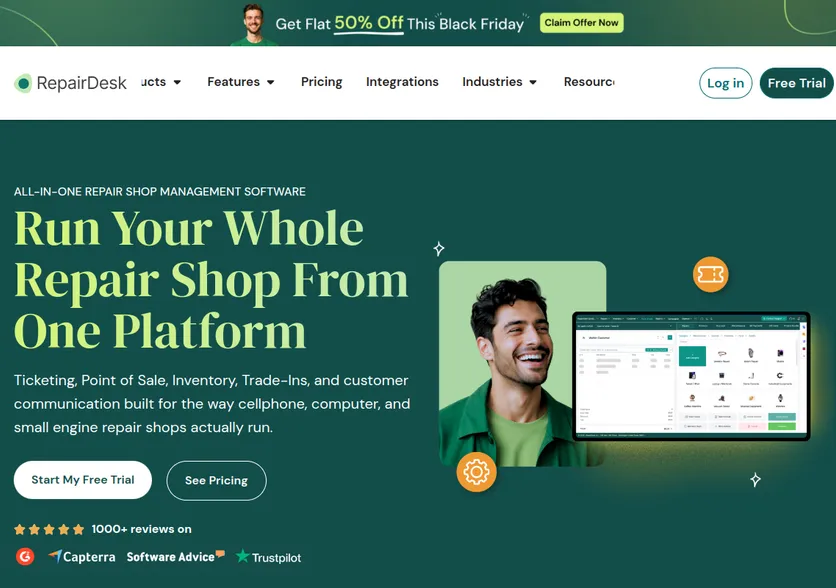
Seventy-nine dollars a month billed annually on the Essential plan, or ninety-nine dollars billed monthly, covers one store with five users, unlimited repair tickets, parts inventory and a built-in retail POS from RepairDesk. The Growth plan at one hundred and nineteen dollars a month billed annually adds eight users, self check-in kiosks and device buyback tools. It suits an ecommerce brand with a physical repair counter that wants tickets, stock and sales in one system.
What we like
- Unlimited tickets for five users on Essential
- Parts inventory and retail POS included
- Customer history and reporting built in
Watch out for
- No free trial, only a live demo to evaluate
- Messaging and booking add-ons cost extra
How to try it
- Set up the store, users and ticket workflow
- Log each repair as a ticket with parts
- Invoice through the POS and track the sale
Prices above were checked on each vendor’s own website on Nov 28, 2026 and can change — the vendor’s page is the final word. Vendor links are editorial: nobody paid to be listed or ranked here. Vendors who want a featured listing can see how it works on our Get listed page.
How to run repair requests so customers come back
Give every repair a ticket the moment it arrives, with the order number, the fault and the customer attached, so nothing lives in an inbox thread. Set a status for each stage, from received to diagnosed to fixed to shipped, and tell the customer when the status changes instead of waiting for them to ask. Track the common faults in a simple report each month, because a product that keeps breaking the same way is a sourcing problem, not a support problem. A repair handled well turns an unhappy buyer into a repeat one.
Before you buy
- Check whether the platform tracks repair status, warranty and parts or only general tickets
- Verify integrations with your ecommerce, order and inventory systems before you commit
- Confirm channel coverage for email, chat, social and messaging where customers write in
- Review automation and AI capabilities against your real support volume and ticket types
- Ask how customer and order context appears to agents during a repair conversation
Official websites
Official websites of the products reviewed above. Features and prices were checked against these sites when this guide was written, and they can change, so confirm on the vendor site before you buy.
Frequently asked questions
What should ecommerce brands look for in repair management software?
Look for ticketing that tracks repair and return status, integrations with your order and inventory systems, and automation that routes requests correctly. Customer context such as order history should be visible to agents so repair questions are resolved quickly, and warranty or parts tracking should not need a workaround.
How much does Zoho Desk cost for repair management?
Zoho Desk costs fourteen dollars per agent a month on the Standard plan billed annually, with an Express plan at seven dollars and a Professional plan at twenty-three dollars. The Standard plan covers omnichannel tickets, routing, SLAs and automation, which is why it leads this list for ecommerce teams that want a flexible help desk.
Can general help desks handle repair requests for online stores?
Yes, platforms such as Zoho Desk, Zendesk and Freshdesk can organise repair and return requests through ticketing and workflows. Repair-specific tracking like warranty status or service stages often needs configuration or integrations, so brands with heavy repair operations should also look at a dedicated tool such as RepairShopr or RepairDesk.
Which tools are most focused on ecommerce support?
Gorgias, Re:amaze and Richpanel are positioned specifically around ecommerce customer service, with conversational channels and store integrations. Gorgias starts at ten dollars a month, Re:amaze at twenty-six dollars and ten cents per agent a month billed annually, and Richpanel at ninety-nine dollars per seat a month with AI billed per conversation.
How do I choose between these eight platforms?
Start with repair workflow complexity and primary support channels, then compare how each platform handles them. Teams wanting a flexible help desk may favour Zoho Desk or Zendesk, ecommerce-focused brands may prefer Gorgias, Re:amaze or Richpanel, and brands with a physical repair counter should shortlist RepairShopr and RepairDesk.
Compare the eight tools above, then start a free trial of Zoho Desk or Freshdesk, or book a RepairDesk demo, on the tool that matches how repairs actually reach the team.
Browse Business Tools tools