On this page
A small third-party warehouse lives or dies on keeping each client stock separate, billing fairly and picking fast, and a spreadsheet cannot do any of that once the second client signs. The eight tools below cover that job for warehouses of every size, from a cheap inventory app to a platform that runs several clients and warehouses. Zenventory leads because it was built for third-party billing and picking at four hundred and ninety-nine dollars a month, and the rest are ranked on how well they fit a small warehouse that serves several clients at once.
How we researched this
We checked every price on the vendor pricing page on November 29, 2026, and only included tools with a published US dollar list price. The big third-party platforms that sell by quote, including ShipBob, Extensiv, Logiwa, Deposco, Flowspace and Ware2Go, publish no prices, so they are not in this list. Prices change, so confirm the current figure on the vendor site before you buy.
Compare the tools
| Name | Best for | Starting price | Free plan | |
|---|---|---|---|---|
 Zenventory | Small 3PLs that bill clients by the shipment | $499/month | No free plan; free trial available | Visit |
 Packiyo | 3PLs that need client portals and billing | $949/month | No free plan; demo available | Visit |
 PackemWMS | Small 3PLs that want a warehouse system fast | $850/month | No free plan; demo available | Visit |
 ShipHero | High-volume brands shipping direct to consumers | $15,000/year | No free plan; demo available | Visit |
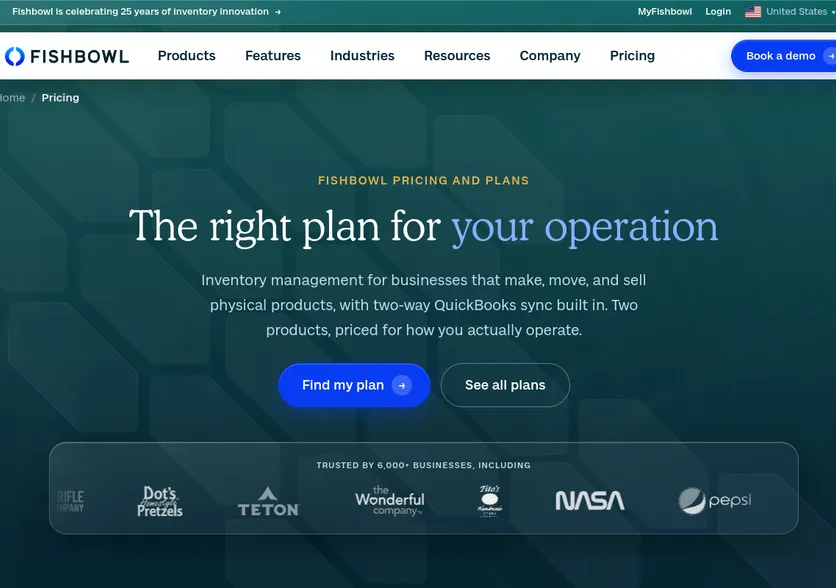
 Fishbowl | Growing brands that need real warehouse control | $229/month | No free plan; free trial available | Visit |
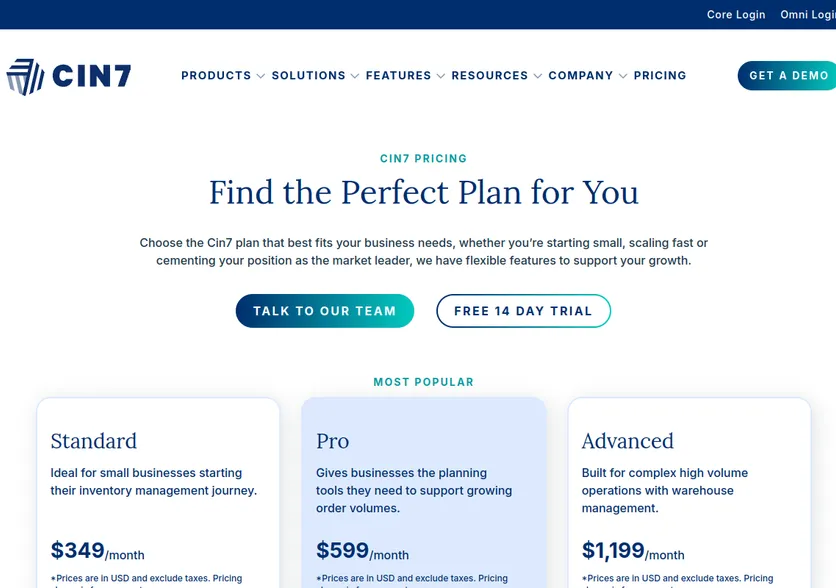
 Cin7 Core | Multi-channel brands that need inventory everywhere | $349/month | 14-day free trial | Visit |
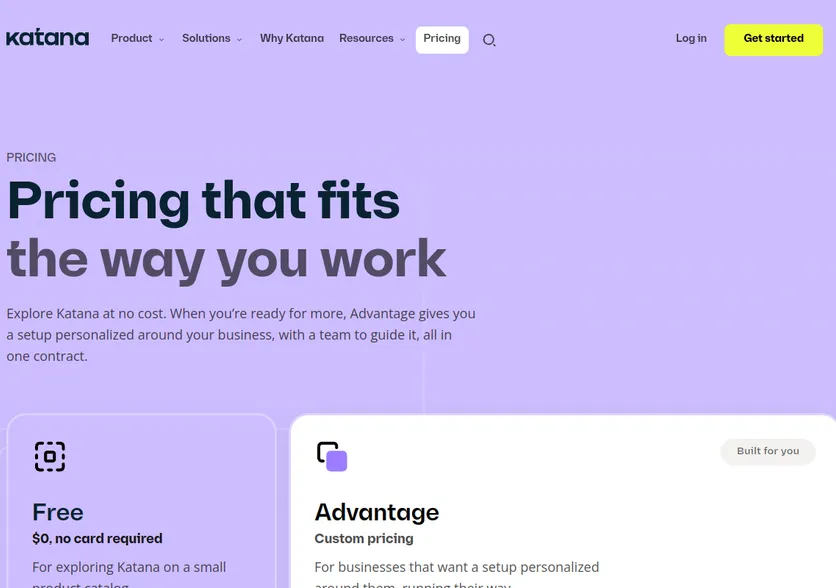
 Katana | Makers and small manufacturers that sell online | $299/month | Free plan (30 SKUs) | Visit |
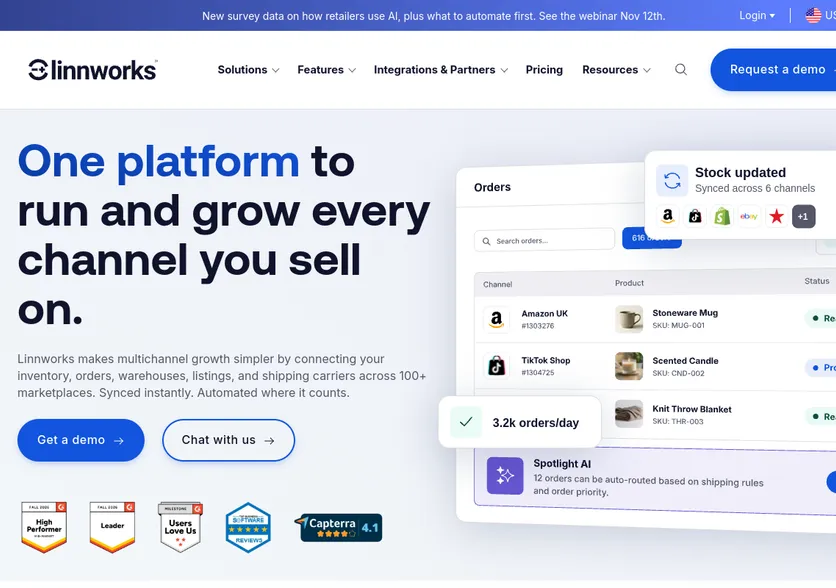
 Linnworks | Multi-channel sellers with several warehouses | $449/month | No free plan; demo available | Visit |
The warehouse management software for small 3PL warehouses, compared
1. Zenventory
Best for: Small 3PLs that bill clients by the shipment
Paid tool Starting price: $499/month · Four hundred and ninety-nine dollars a month on Starter (one warehouse, up to ten thousand shipments); Growth is seven hundred and ninety-nine dollars a month (three warehouses, fifty thousand shipments); a one thousand dollar one-time setup fee applies; the fifty percent off the first three months promotion is not the list price; unlimited users, clients and SKUs
Free plan: No free plan; free trial available
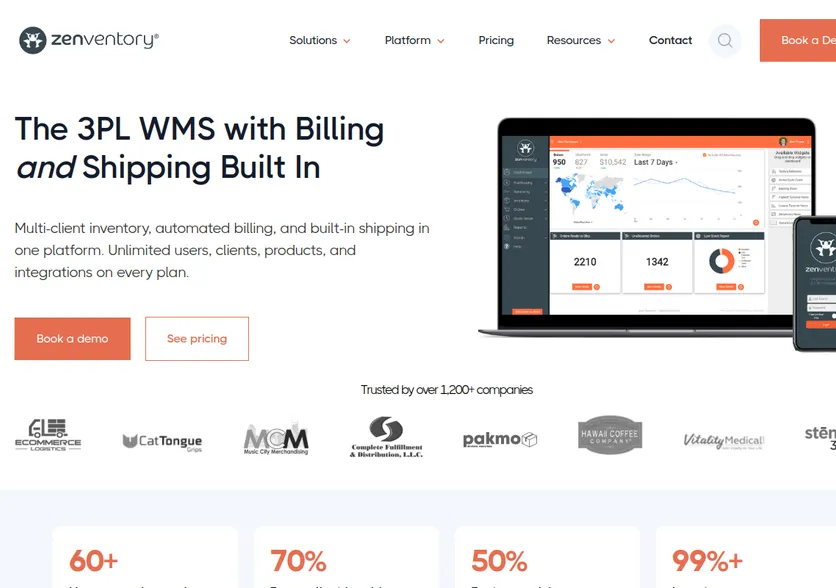
A small third-party warehouse that stores and ships for several clients gets multi-client warehouse billing and picking with this Zenventory plan, which costs four hundred and ninety-nine dollars a month. It was built for third-party warehouses, with separate stock, billing and reporting per client instead of one shared pool. The per-client billing turns warehouse work into clean invoices, which is where most small third-party warehouses lose time.
What we like
- Multi-client billing built for third-party warehouses
- Unlimited users, clients and SKUs on every plan
- Barcode picking and packing for fast order turnaround
Watch out for
- The one thousand dollar setup fee is on top of the monthly price
- Starter covers one warehouse only
How to try it
- Set up each client with their own stock and billing rules
- Configure barcode picking for the warehouse layout
- Run a client order end to end before onboarding the next client
2. Packiyo
Best for: 3PLs that need client portals and billing
Paid tool Starting price: $949/month · Nine hundred and forty-nine dollars a month on the 3PL plan (five users, five thousand shipments); Brand is five hundred and ninety-nine dollars a month; Starter and Enterprise are quoted; one October 2026 read lists a 3PL Pro tier at one thousand seven hundred and ninety-nine dollars a month, which the vendor page does not confirm
Free plan: No free plan; demo available
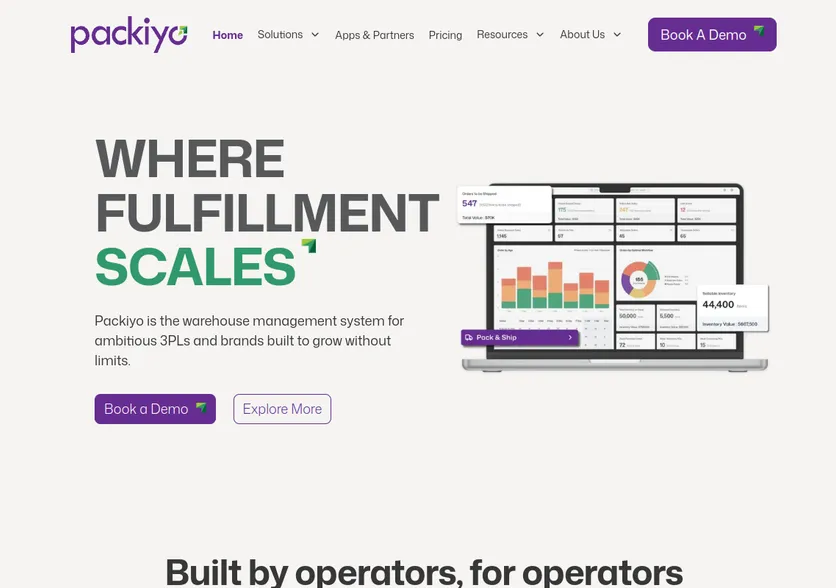
A small third-party warehouse that stores and ships for several clients gets client portals, billing and multi-warehouse picking with this Packiyo plan, which costs nine hundred and forty-nine dollars a month. It gives each third-party client their own portal, stock view and invoices, so the warehouse stops answering stock questions by email. The mobile picking and packing flows are built for floor staff, not office staff, which keeps orders moving.
What we like
- Client portals let each customer see their own stock
- Billing rules that match how 3PLs actually charge
- Mobile picking that works on the warehouse floor
Watch out for
- The entry 3PL price is high for a very small warehouse
- Starter has no published price, so small teams must ask
How to try it
- Create a client account with stock and billing rules
- Set up the mobile picking flow for the warehouse team
- Test the client portal with one customer before rolling it out
3. PackemWMS
Best for: Small 3PLs that want a warehouse system fast
Paid tool Starting price: $850/month · Eight hundred and fifty dollars a month from, covering ten users and two thousand orders a month; extra users are thirty-five dollars a month each; onboarding is typically waived for smaller 3PLs; an older seven hundred and fifty dollar starting figure from spring 2026 is superseded
Free plan: No free plan; demo available
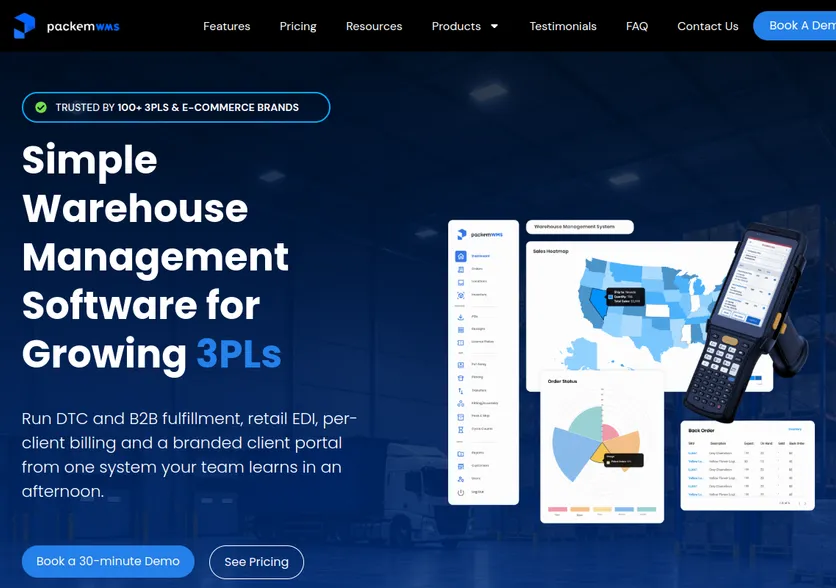
A small third-party warehouse that stores and ships for several clients gets quick multi-client warehouse setup and picking with this PackemWMS plan, which costs eight hundred and fifty dollars a month. It is a straightforward warehouse system for small third-party operators, with multi-client stock and picking that goes live quickly. The included user count suits a small floor team without per-seat surprises on the first invoice.
What we like
- Fast setup for a small third-party warehouse
- Ten users included, which suits a small floor team
- Onboarding usually waived for smaller 3PLs
Watch out for
- Two thousand included orders a month may cap a busy warehouse
- Fewer integrations than the bigger warehouse platforms
How to try it
- Add clients and their stock with location mapping
- Set up barcode picking for the floor team
- Run a week of live orders beside the old process
4. ShipHero
Best for: High-volume brands shipping direct to consumers
Paid tool Starting price: $15,000/year · Fifteen thousand dollars a year on Core (twenty-five thousand direct-to-consumer shipments a year, ten store connections, unlimited users, invoiced monthly); Growth and Enterprise are quoted; onboarding typically runs about five thousand dollars and extra shipments cost twenty-four cents each on a pay-as-you-go basis; the old flat monthly plans ended in May 2026
Free plan: No free plan; demo available
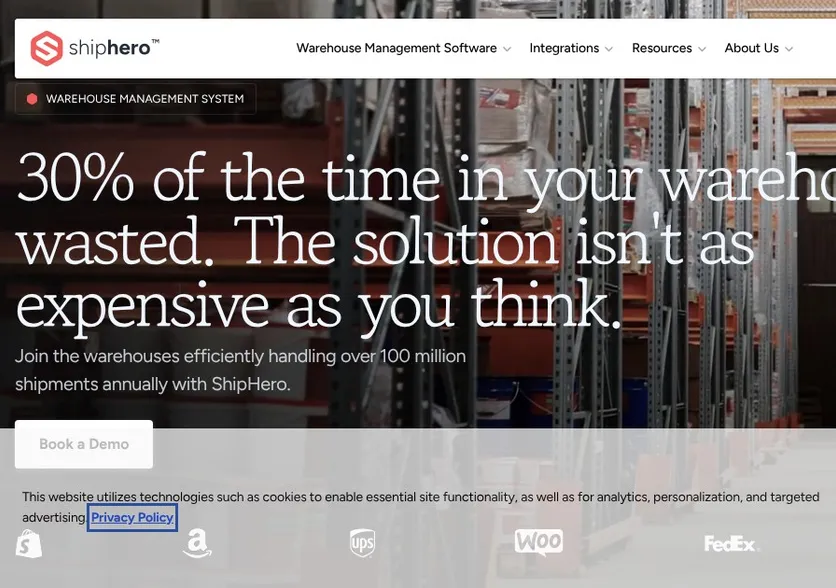
A small third-party warehouse that stores and ships for several clients gets high-volume direct-to-consumer fulfillment with this ShipHero plan, which costs fifteen thousand dollars a year. It is a fulfillment platform for brands shipping thousands of orders, with warehouse management that keeps pace with real volume. The unlimited-user model suits a growing team that would otherwise pay per seat at every hire.
What we like
- Built for serious direct-to-consumer order volume
- Unlimited users, so the whole team can work in it
- Strong warehouse management with real-time stock
Watch out for
- The annual entry price is far above smaller tools
- Onboarding adds about five thousand dollars on top
How to try it
- Connect the stores and import products and stock
- Configure warehouse locations and picking routes
- Run a peak-day volume test before the first big sale
5. Fishbowl
Best for: Growing brands that need real warehouse control
Paid tool Starting price: $229/month · Two hundred and twenty-nine dollars a month on the Essentials plan, the entry inventory plan; higher plans add advanced warehousing and automation, so confirm the tier that fits your order volume before you buy
Free plan: No free plan; free trial available
A small third-party warehouse that stores and ships for several clients gets full inventory, picking and shipping control with this Fishbowl plan, which costs two hundred and twenty-nine dollars a month. It handles multi-location stock, purchase orders and manufacturing in one place, so a growing brand stops juggling spreadsheets and separate apps. The barcode scanning keeps picks accurate as order volume climbs, which is where a brand usually starts losing money on mispicks.
What we like
- Barcode picking and packing built for warehouse teams
- Tracks inventory across warehouses, channels and locations
- Manufacturing and order tools in the same system
Watch out for
- No free plan, so small teams pay from day one
- Setup takes real work on locations, bins and barcodes
How to try it
- Connect the sales channels and import the product catalog
- Set up warehouse locations and bin layouts for every product
- Run a test order from receipt to shipment before going live
6. Cin7 Core
Best for: Multi-channel brands that need inventory everywhere
Paid tool Starting price: $349/month · Three hundred and forty-nine dollars a month on Standard (five users, six thousand orders a year, two integrations); Pro is five hundred and ninety-nine dollars a month and Advanced is one thousand one hundred and ninety-nine dollars a month; Omni is quoted; fourteen-day free trial
Free plan: 14-day free trial
A small third-party warehouse that stores and ships for several clients gets multi-channel inventory and order control with this Cin7 Core plan, which costs three hundred and forty-nine dollars a month. It keeps stock, orders and suppliers in sync across every channel, so the warehouse always sees the same numbers the storefront shows. The order routing and backorder handling suit brands that sell the same products on several channels at once.
What we like
- Connects Shopify, marketplaces and warehouses in one system
- Handles backorders, bundles and multi-location stock
- Strong reporting on stock value and sell-through
Watch out for
- Standard caps at two integrations, so bigger stacks pay more
- The learning curve is steep for a first warehouse system
How to try it
- Connect Shopify and the other sales channels first
- Import products, stock levels and supplier details
- Map the warehouse locations, then test a full order cycle
7. Katana
Best for: Makers and small manufacturers that sell online
Paid tool Starting price: $299/month · Two hundred and ninety-nine dollars a month on Core; Advantage is a custom tier with no published price; the free plan covers thirty SKUs with unlimited users
Free plan: Free plan (30 SKUs)
A small third-party warehouse that stores and ships for several clients gets inventory plus light manufacturing control with this Katana plan, which costs two hundred and ninety-nine dollars a month. It pairs inventory with simple production planning, so a maker knows what to build, what raw materials are on hand and what is ready to ship. The visual board makes stock and production obvious at a glance, which suits small teams without a warehouse manager.
What we like
- Visual production planning that makers actually understand
- Free plan covers thirty products with unlimited users
- Shopify and accounting integrations work out of the box
Watch out for
- Manufacturing depth is light next to a full ERP system
- The paid plan starts high for a very small maker
How to try it
- Add the product catalog with bills of materials
- Connect Shopify and set the warehouse locations
- Plan the first production run and track raw material stock
8. Linnworks
Best for: Multi-channel sellers with several warehouses
Paid tool Starting price: $449/month · Four hundred and forty-nine dollars a month as the starting price, per the vendor blog; higher plans are quoted by operation, so confirm the figure for your volume before you buy
Free plan: No free plan; demo available
A small third-party warehouse that stores and ships for several clients gets multi-channel order and warehouse management with this Linnworks plan, which costs four hundred and forty-nine dollars a month. It routes orders from many channels to the right warehouse automatically, which is the core job for a multi-channel seller. The rule engine handles the edge cases that break simpler tools, like split shipments and channel-specific stock.
What we like
- Order rules that route every order to the right warehouse
- Deep marketplace and courier integrations
- Automation that scales with order volume
Watch out for
- Starting price is high for a small seller
- Some plans are quoted, so the real cost needs a sales call
How to try it
- Connect every sales channel and courier account
- Set order routing rules by warehouse and stock level
- Test the rules on a batch of real orders before switching over
Prices above were checked on each vendor’s own website on Nov 29, 2026 and can change — the vendor’s page is the final word. Vendor links are editorial: nobody paid to be listed or ranked here. Vendors who want a featured listing can see how it works on our Get listed page.
How a small 3PL onboards its first client without chaos
Set up each client as a separate account with their own stock, locations and billing rules before a single pallet arrives, because mixed stock is the fastest way to lose a client. Agree the billing model in writing, by shipment, by pallet or by pick, and make sure the software can produce that invoice without manual work. Walk the floor with the client and map their products to locations together, so both sides trust the counts. Run the first week of orders with a daily stock check, and share the numbers with the client so problems surface early. Add the next client only when the first one runs clean for a full month.
Before you buy
- Confirm each client gets separate stock, locations and billing, with no shared bins
- Check whether the tool produces client invoices from warehouse activity automatically
- Ask how many clients, users and warehouses the plan covers before the price rises
- Make sure the mobile picking app works on the warehouse floor without a constant signal
- Test the tool with one real client for a full month before onboarding the next
Official websites
Official websites of the products reviewed above. Features and prices were checked against these sites when this guide was written, and they can change, so confirm on the vendor site before you buy.
Frequently asked questions
What is warehouse management software for small 3PL warehouses?
It is software that runs a third-party warehouse, keeping each client stock separate, billing each client fairly and picking and packing orders fast. It tracks locations, shipments and invoices per client, so the warehouse never mixes up whose stock is whose. Good tools add client portals, so customers can see their own stock without calling the warehouse.
How much does Zenventory cost for a small 3PL?
Zenventory costs four hundred and ninety-nine dollars a month on Starter, covering one warehouse and up to ten thousand shipments, with unlimited users, clients and SKUs. A one thousand dollar one-time setup fee applies, and Growth costs seven hundred and ninety-nine dollars a month for three warehouses. The fifty percent off the first three months promotion is not the list price.
Can a small 3PL start with free warehouse software?
Not really at this level, since none of the tools in this list offers a free plan for multi-client warehousing. Zoho Inventory has a free plan, but it is built for a single seller rather than a warehouse serving several clients. A small 3PL should trial the cheapest paid tier with one client, prove the billing works, and only then move the rest across.
Which tool is best for a small 3PL warehouse?
Zenventory is the best fit for a small 3PL, since it was built for multi-client billing and picking at four hundred and ninety-nine dollars a month. Packiyo suits warehouses that want client portals, and Fishbowl is the best value for a warehouse that mainly needs solid inventory and barcode picking. ShipHero only makes sense once the warehouse ships very high volume.
How does a 3PL bill its clients with this software?
The tools in this list bill by shipment, by pallet, by pick or by storage, depending on the plan, and most produce the invoice from the warehouse activity itself. Zenventory and Packiyo build the billing rules per client, so each customer gets an invoice that matches how they agreed to pay. Agree the billing model with each client in writing before the first pallet arrives.
Compare the eight tools above, then trial the cheapest paid tier with one client and prove the billing works before moving the rest of the warehouse across.
Browse Business Tools tools