On this page
An ecommerce warehouse produces packaging waste all day, and damaged stock, returns and the occasional battery or aerosol need proper disposal too. A pile of cardboard by the dock is a fire risk, and a regulator will ask how the regulated waste was handled. The eight tools below keep disposal runs, equipment servicing and waste records in one place. SafetyCulture leads because its checklists record every disposal run with photo evidence for twenty-four dollars a user a month, and the rest are ranked on how well they fit an ecommerce warehouse.
How we researched this
We checked every price on the vendor pricing page on November 29, 2026, and only included tools with a published US dollar list price. The dedicated waste-hauler market is almost entirely quote-only: AMCS, Soft-Pak, WasteLogics, Docket, ServiceCore, Routeware and TRUX publish no dollar figures, and CurbWaste, Hauler Hero, WAM and ServiceCore figures come only from third-party listings. Dumpster Controls is a free product with no paid plan, so it has no place in a paid comparison, and the Wastebits core platform is quote-only, so only its Insights add-on appears here, and prices change, so confirm the current figure on the vendor site before you buy.
Compare the tools
| Name | Best for | Starting price | Free plan | |
|---|---|---|---|---|
 MaintainX | Ecommerce brands treating packaging waste as warehouse work | $20/user/month | Free plan (Basic) | Visit |
 SafetyCulture | Ecommerce brands that must prove damaged stock was disposed of properly | $24/user/month | Free plan (up to 10 users) | Visit |
 UpKeep | Ecommerce brands tracking waste equipment with other assets | $24/user/month | No free plan; free trial | Visit |
 Limble | Ecommerce brands that want packaging waste handled on a schedule | $28/user/month | Free plan (Basic) | Visit |
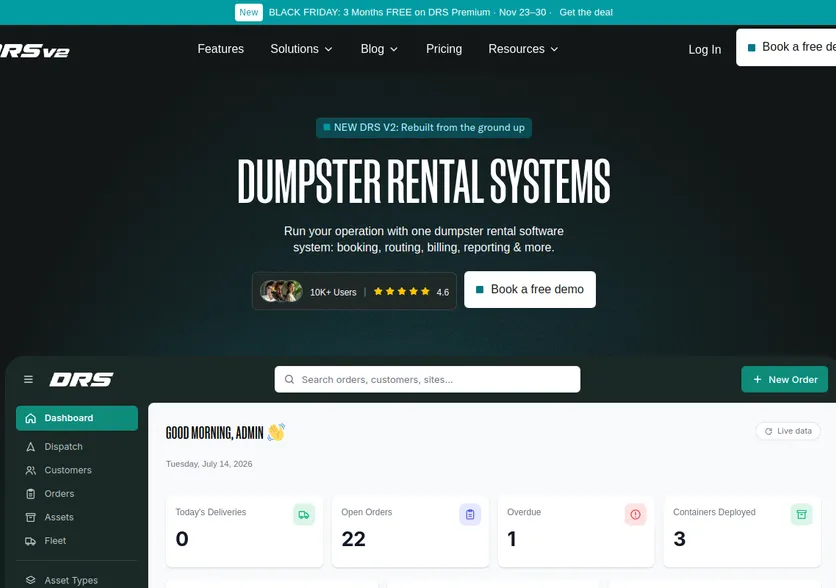
 Dumpster Rental Systems (DRS) | Ecommerce brands running their own dumpster and container service | $79.99/month | No free plan; demo available | Visit |
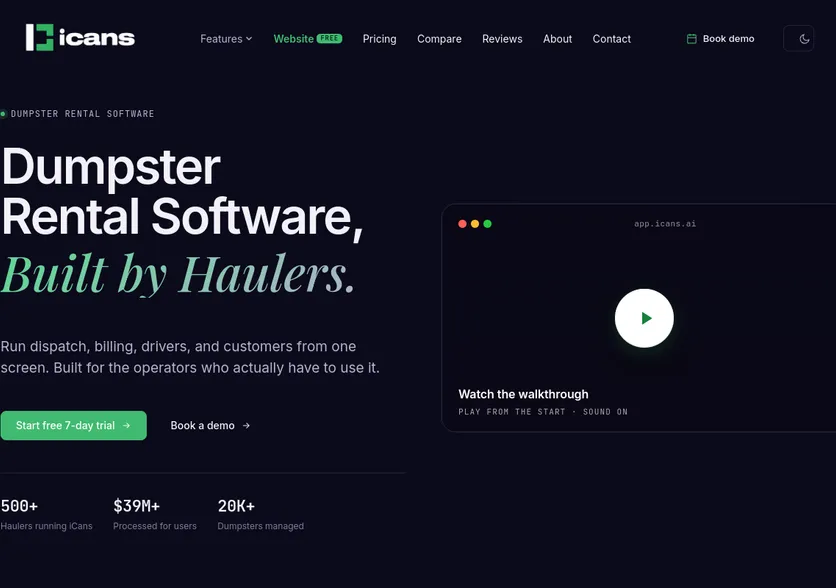
 iCANS | Ecommerce brands managing container rentals for packaging waste | $99/month | No free plan; 7-day free trial | Visit |
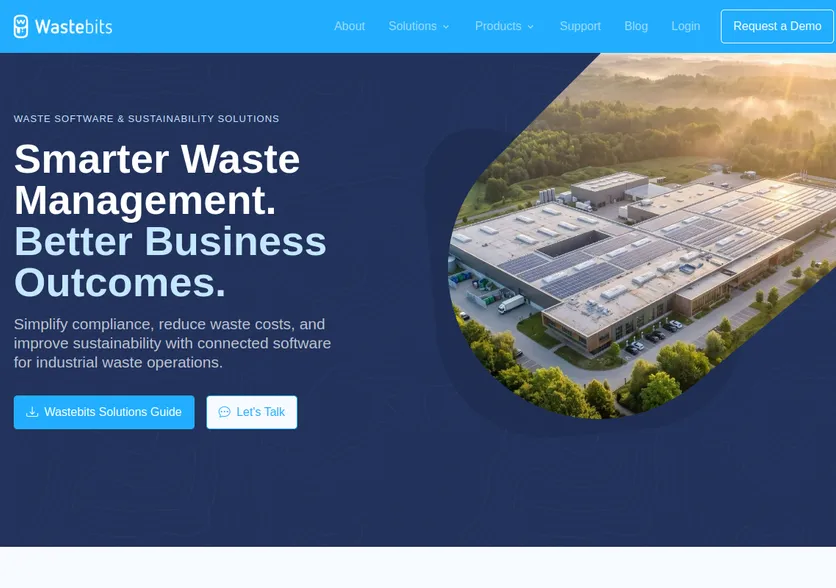
 Wastebits | Ecommerce brands handling batteries and aerosols from returns | $199/user/month | Free plan (Insights) | Visit |
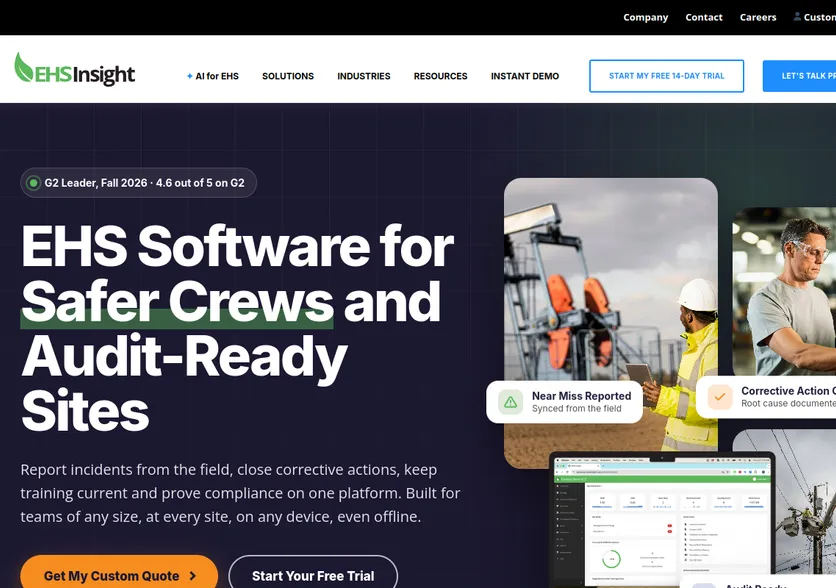
 EHS Insight | Ecommerce brands with several warehouses needing one compliance system | $5,000/year | Free demo | Visit |
The warehouse waste management software for ecommerce brands, compared
1. MaintainX
Best for: Ecommerce brands treating packaging waste as warehouse work
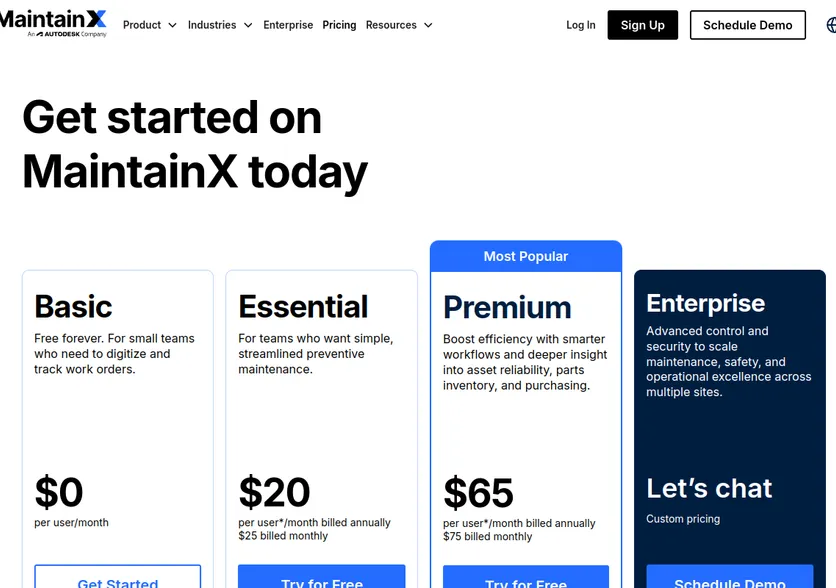
Paid tool Starting price: $20/user/month · Twenty dollars per user a month billed annually on Essential (twenty-five dollars month to month); Premium is sixty-five dollars a user a month; MaintainX was acquired by Autodesk in August 2026
Free plan: Free plan (Basic)
An ecommerce brand that treats packaging waste and returns as part of warehouse operations will like this MaintainX plan, which costs twenty dollars per user a month billed annually. Its work orders keep baler servicing and bin emptying on schedule, and the asset history shows when a compactor last needed attention. The free Basic plan covers a small team, so a growing brand can start without paying.
What we like
- Work orders keep baler servicing and bin emptying on schedule
- Asset history shows when a compactor last needed attention
- Free Basic plan covers a small team
Watch out for
- No dedicated waste manifest tracking
- Premium features cost sixty-five dollars a user a month
How to try it
- Create a work order for each baler service and bin empty
- Assign the jobs to the floor team on the mobile app
- Check the asset history before the next compactor service
2. SafetyCulture
Best for: Ecommerce brands that must prove damaged stock was disposed of properly
Paid tool Starting price: $24/user/month · Twenty-four dollars per user a month billed annually on Premium (twenty-nine dollars month to month); Lite seats are five dollars a user a month; the product was rebranded from Mitti in August 2026
Free plan: Free plan (up to 10 users)
An ecommerce brand that must show how it disposes of damaged stock and packaging will like this SafetyCulture plan, which costs twenty-four dollars a user a month billed annually. Its inspection checklists record every disposal run, and the photo evidence proves the stock was destroyed properly. The free plan covers up to ten users, which suits a single warehouse starting out.
What we like
- Inspection checklists record every disposal run
- Photo evidence proves the stock was destroyed properly
- Free plan covers up to ten users for a single warehouse
Watch out for
- No dedicated waste manifest tracking
- Training depth is thinner than the dedicated learning platforms
How to try it
- Build a checklist for each disposal run and bin clean
- Have the floor team photograph the completed job
- Export the checklist records ahead of the next audit
3. UpKeep
Best for: Ecommerce brands tracking waste equipment with other assets
Paid tool Starting price: $24/user/month · Twenty-four dollars per user a month on Essential; Premium is fifty-five dollars a user a month; the twenty-dollar Lite tier is retired
Free plan: No free plan; free trial
An ecommerce brand that tracks waste equipment alongside its packing benches will find the fit here, since this UpKeep plan costs twenty-four dollars per user a month. Its work orders cover balers, compactors and bins the same way they cover any other asset, and the mobile app lets a worker log a fault on the spot. There is no free plan, so the fourteen-day trial is the way to judge it.
What we like
- Work orders cover balers, compactors and bins like any asset
- Mobile app lets a worker log a fault on the spot
- Simple pricing with no per-asset charges
Watch out for
- No free plan, so a trial is the only way to test it
- No dedicated waste manifest tracking
How to try it
- Add balers, compactors and bins as assets
- Set preventive maintenance schedules for each one
- Log faults on the mobile app when a worker spots them
4. Limble
Best for: Ecommerce brands that want packaging waste handled on a schedule
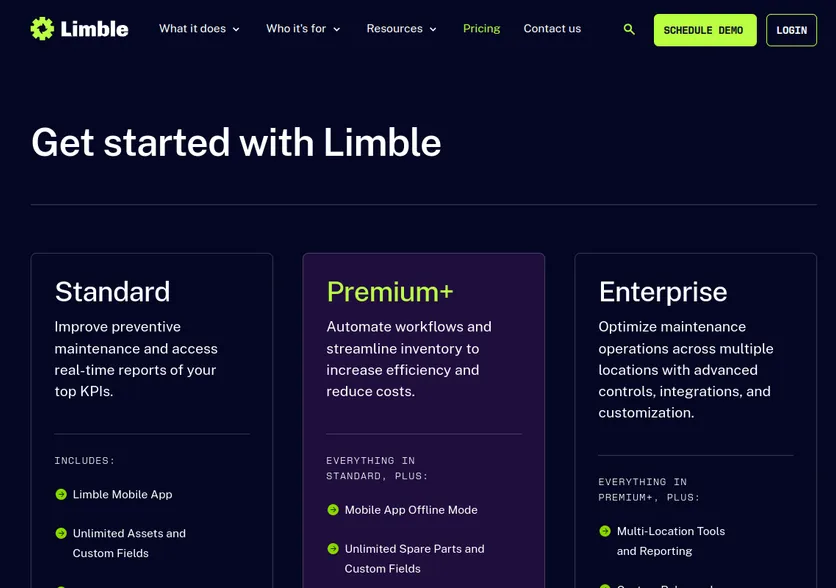
Paid tool Starting price: $28/user/month · Twenty-eight dollars per user a month on Standard; Premium+ is sixty-nine dollars a user a month; the vendor cost guide does not state the billing basis, so confirm whether the figure is annual or monthly at checkout
Free plan: Free plan (Basic)
An ecommerce brand that wants packaging waste handled on a schedule will like this Limble plan, which costs twenty-eight dollars per user a month. Its preventive maintenance schedules keep bin emptying and baler servicing on time, and the work order history proves the job was done. The free Basic plan covers a small team, though the vendor does not state whether the listed price is billed annually or monthly.
What we like
- Preventive maintenance schedules keep bin emptying on time
- Work order history proves the job was done
- Free Basic plan covers a small team
Watch out for
- Vendor does not state the billing basis for the listed price
- No dedicated waste manifest tracking
How to try it
- Set a preventive maintenance schedule for each bin and baler
- Assign the jobs to the floor team each week
- Check the work order history before the next audit
5. Dumpster Rental Systems (DRS)
Best for: Ecommerce brands running their own dumpster and container service
Paid tool Starting price: $79.99/month · Seventy-nine dollars and ninety-nine cents a month on Launch for under ten containers; Core is one hundred and ninety-nine dollars and ninety-five cents for up to twenty containers and Premium is two hundred and seventy-nine dollars and ninety-five cents above twenty; QuickBooks is not on the Launch plan
Free plan: No free plan; demo available
An ecommerce brand that runs its own dumpster and container service for packaging waste needs a system built for that job, and this DRS plan costs seventy-nine dollars and ninety-nine cents a month. Its dispatch and billing are built around containers and routes rather than general warehouse work, and the Launch plan covers a small operation starting out. The vendor pricing page confirms the figure, though QuickBooks integration is not on the Launch plan.
What we like
- Dispatch and billing built around containers and routes
- Launch plan covers a small operation starting out
- Vendor pricing page confirms the figure
Watch out for
- QuickBooks integration is not on the Launch plan
- Built for waste operations, so general warehouse features are thin
How to try it
- Set up the containers and routes for the warehouse
- Dispatch the trucks from the schedule each morning
- Bill the waste service from the completed container jobs
6. iCANS
Best for: Ecommerce brands managing container rentals for packaging waste
Paid tool Starting price: $99/month · Ninety-nine dollars a month on Base; Plus is one hundred and fifty-nine dollars a month; seven-day trial with no card
Free plan: No free plan; 7-day free trial
An ecommerce brand that manages container rentals for packaging waste will like this iCANS plan, which costs ninety-nine dollars a month. Its container tracking and billing are built for waste operations, and the seven-day trial needs no card to test. It is a niche tool, so a brand that only needs general maintenance tracking should look at the cheaper options first.
What we like
- Container tracking and billing built for waste operations
- Seven-day trial needs no card to test
- Simple pricing with no per-user charges
Watch out for
- Container tracking is its whole job, so wider warehouse features are missing
- Niche tool, so general maintenance needs look elsewhere
How to try it
- Add the containers the warehouse rents
- Track each container from delivery to collection
- Bill the waste service from the container records each month
7. Wastebits
Best for: Ecommerce brands handling batteries and aerosols from returns
Paid tool Starting price: $199/user/month · One hundred and ninety-nine dollars per user a month billed annually on Wastebits Insights Premium (two hundred and forty-nine dollars month to month); Enterprise is quoted; this is the price of the Insights add-on — the core Wastebits platform is quote-only, with no price on the vendor page
Free plan: Free plan (Insights)
An ecommerce brand that handles batteries, aerosols and other regulated waste from returns will need this Wastebits Insights plan, which costs one hundred and ninety-nine dollars per user a month billed annually. Its manifest tracking produces the proper paperwork for regulated loads, and the free tier lets a team test the format first. This is the Insights add-on, not the core platform, which is quote-only, so the price buys the manifest and reporting layer.
What we like
- Manifest tracking produces the proper paperwork for regulated loads
- Free tier lets a team test the format first
- Reporting layer sits on top of the core platform
Watch out for
- Priced per user, so a large team pays a lot for the reporting layer
- Core platform is quote-only, so the full cost is not published
How to try it
- Set up the manifest format for each regulated waste type
- Log each regulated load as it leaves the warehouse
- Export the manifests ahead of the next compliance check
8. EHS Insight
Best for: Ecommerce brands with several warehouses needing one compliance system
Paid tool Starting price: $5,000/year · Five thousand dollars a year is the published starting figure for small and mid-size teams, scaling by contacts and modules; no free plan and no free trial is published
Free plan: Free demo
An ecommerce brand with several warehouses that needs one system for safety, waste and compliance will find the scale here, since this EHS Insight plan starts at five thousand dollars a year. Its modules cover waste, incidents and audits in one place, and the price scales with contacts and modules rather than per user. There is no free plan, so a demo is the way to judge whether the scale fits.
What we like
- Modules cover waste, incidents and audits in one place
- Price scales with contacts and modules rather than per user
- Built for multi-site operations, not a single warehouse
Watch out for
- Entry price is high for a single warehouse
- No free plan, so a demo is the only way to judge it
How to try it
- Pick the waste, incident and audit modules the sites need
- Set up each warehouse with its own waste records
- Run the audit report across all warehouses each month
Prices above were checked on each vendor’s own website on Nov 29, 2026 and can change — the vendor’s page is the final word. Vendor links are editorial: nobody paid to be listed or ranked here. Vendors who want a featured listing can see how it works on our Get listed page.
How an ecommerce brand keeps packaging waste under control
Start with the waste that piles up fastest, and get its routine right first: cardboard, plastic wrap and damaged stock. Empty the bins on a schedule, not when they overflow, since an overflowing bin is a fire risk and a trip hazard. Keep batteries, aerosols and other regulated waste apart from general waste from the moment they arrive in returns, because mixing them turns a small problem into a compliance one. Service the baler and compactor before they break, since a broken baler stops the packing line. Review the waste records every month, and chase the gaps while the run is still fresh in someone's memory.
Before you buy
- Check that disposal records include photos and names, not just tick boxes
- Make sure the tool tracks the waste streams the warehouse actually handles
- Confirm the plan covers enough users for every warehouse, not just one
- Ask whether waste manifests are included or cost extra
- Test the reporting on a real audit before paying for a year
Official websites
Official websites of the products reviewed above. Features and prices were checked against these sites when this guide was written, and they can change, so confirm on the vendor site before you buy.
Frequently asked questions
What is warehouse waste management software for ecommerce brands?
It is software that tracks how an ecommerce warehouse handles waste: disposal runs, bin emptying, baler and compactor servicing and the records that prove it happened. It keeps packaging waste, damaged stock and regulated waste apart, so a regulator or auditor can see exactly what happened to each load. The best tools pair the work orders with inspection checklists and photo evidence.
How much does SafetyCulture cost?
SafetyCulture costs twenty-four dollars per user a month billed annually on Premium, or twenty-nine dollars month to month. Lite seats are five dollars a user a month, and the free plan covers up to ten users. It leads this list because its checklists record every disposal run with photo evidence that proves damaged stock was destroyed properly.
Can I manage warehouse waste for free?
Yes, with MaintainX, which offers a free Basic plan, SafetyCulture, which offers a free plan for up to ten users, Limble, which offers a free Basic plan, and Wastebits Insights, which offers a free tier. All four are genuine free tiers rather than trials, so a single warehouse can start tracking waste without paying. Bigger operations will need a paid plan.
Which tool handles waste manifests?
Wastebits Insights is the only tool here built for waste manifests, at one hundred and ninety-nine dollars per user a month billed annually, covering batteries, aerosols and other regulated waste from returns. Note that this is the Insights add-on, not the core platform, which is quote-only. The other tools here track disposal work, not manifests.
Why are most waste-hauler tools quote-only?
Because waste hauling is priced by trucks, routes and tonnage, which varies too much for a flat rate. AMCS, Soft-Pak, WasteLogics, Docket, ServiceCore, Routeware and TRUX all publish no dollar figures, so they cannot be compared fairly here. The tools in this list are the ones with a published price a warehouse can actually check.
Compare the eight tools above, then start with a free plan or trial on the one that matches how the warehouse handles waste before paying for a full year.
Browse Business Tools tools