On this page
An architecture firm runs on phases, fees and people, so its planning tool has to track all three at once, not just a list of tasks. The seven tools below cover that job, from a purpose-built platform for design studios to simple time tracking that feeds the invoice. Monograph leads because it is built for architecture firms, while the cheaper tools below suit smaller studios that want planning and billing without an enterprise sales call.
How we researched this
We checked every price on the vendor pricing page on November 29, 2026, and only included tools with a published US dollar list price. Deltek Vision, BQE Core, UKG Pro and Workday HCM all sell by quote and publish no prices, so they are not in this list. Prices change, so confirm the current figure on the vendor site before you buy.
Compare the tools
| Name | Best for | Starting price | Free plan | |
|---|---|---|---|---|
 Monograph | Architecture firms that plan around project phases | $45/month | No free plan; free demo | Visit |
 Harvest | Studios that bill by the hour and need simple tracking | $10.80/seat/month | Free plan (1 seat, 2 projects) | Visit |
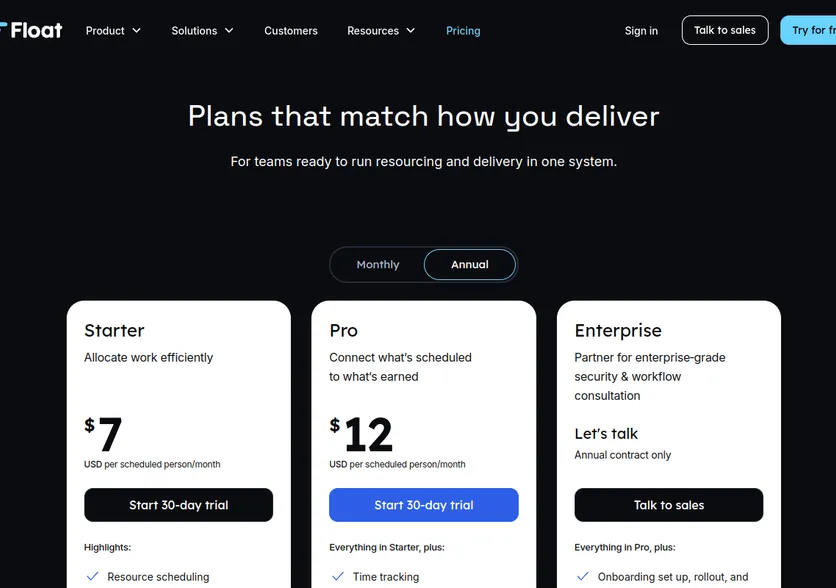
 Float | Studios that schedule people, not just tasks | $7/person/month | No free plan; 30-day free trial | Visit |
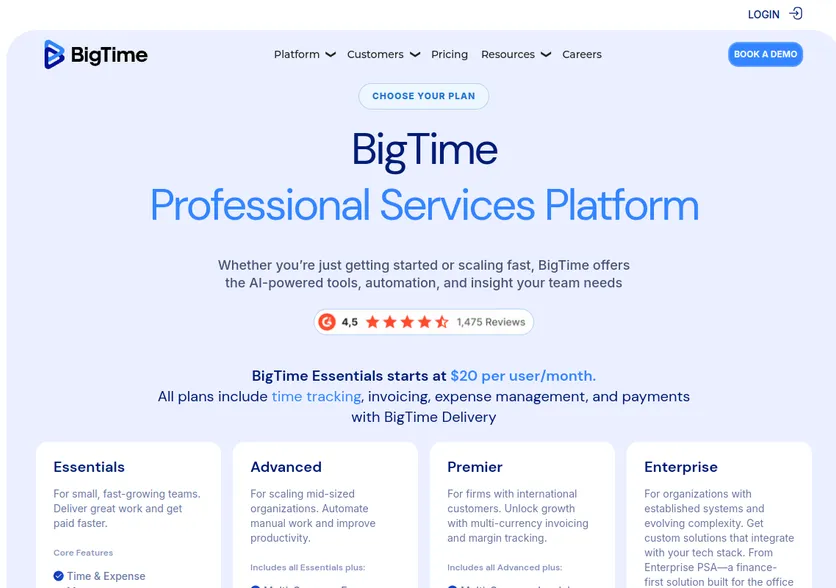
 BigTime | Firms that need billing and budgets in one place | $20/user/month | No free plan; free demo | Visit |
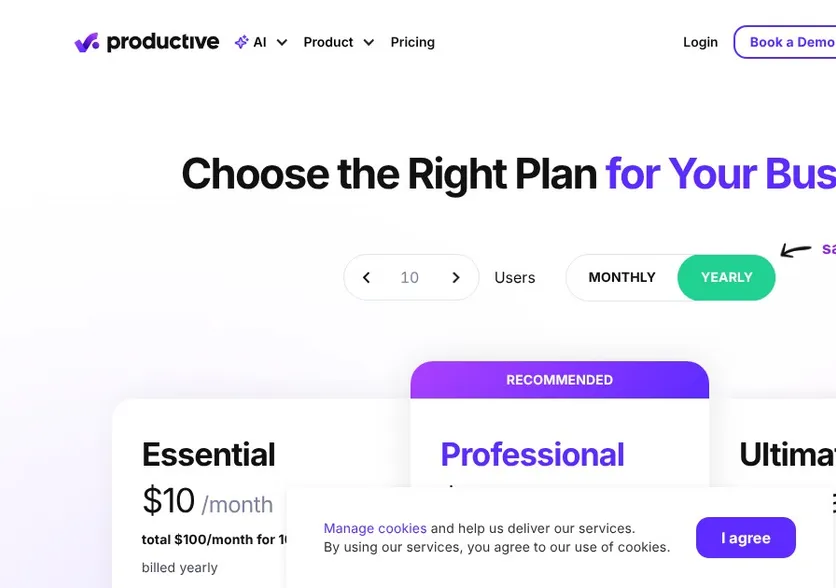
 Productive | Firms that run projects on profitability, not just hours | $9/user/month | No free plan; 14-day free trial | Visit |
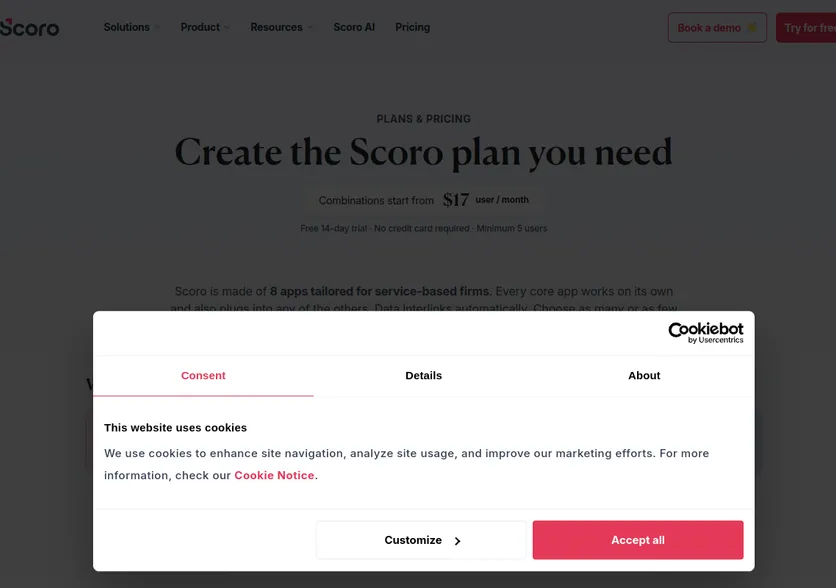
 Scoro | Firms that want quoting, CRM and delivery together | $26/user/month | No free plan; 14-day free trial | Visit |
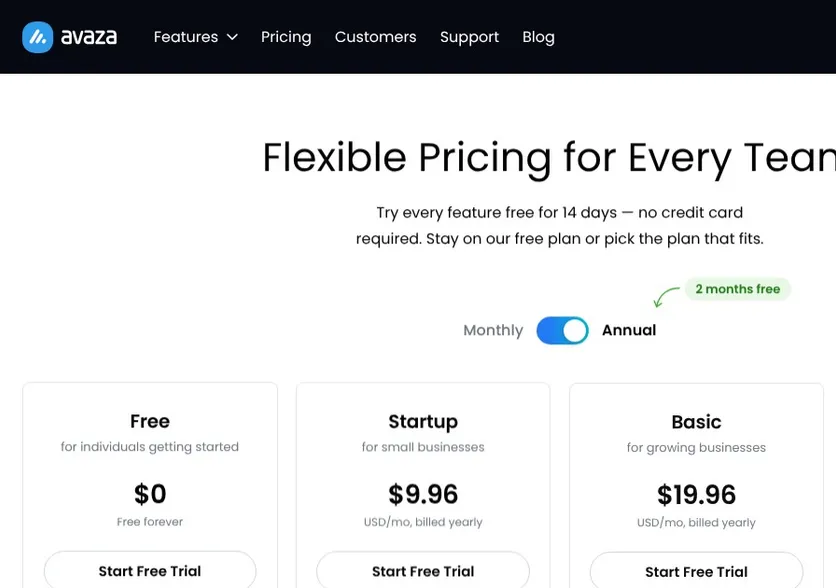
 Avaza | Small studios that want one flat monthly price | $11.95/month | Free plan | Visit |
The workforce planning software for architecture firms, compared
1. Monograph
Best for: Architecture firms that plan around project phases
Paid tool Starting price: $45/month · From forty-five dollars a month, with the vendor page showing a range of forty-five to four hundred and ninety dollars a month set by firm size rather than a per-user rate; some comparison sites quote forty-five dollars per user a month, which the vendor page does not support; Pipeline add-on is separate
Free plan: No free plan; free demo
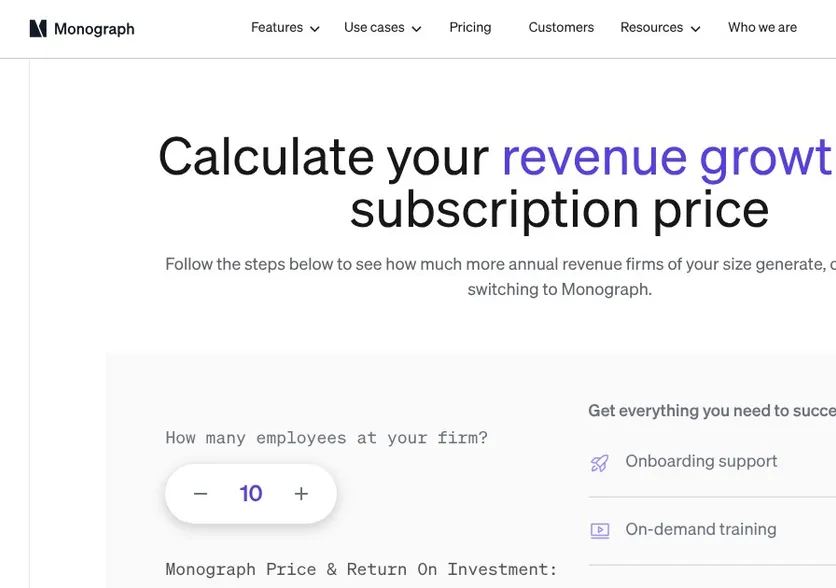
Architecture firms plan around phases, fees and staff capacity rather than generic tasks, and this Monograph plan costs forty-five dollars a month from the entry tier. It tracks project budgets, staff utilisation and fee progress in one place built for design practices. The price is set by firm size rather than per user, so ask for the figure that matches your headcount before budgeting.
What we like
- Built for architecture firms, not generic project work
- Project budgets, fees and utilisation in one view
- Phase-based planning matches how studios actually work
Watch out for
- No free plan and no published per-user price
- Pricing is demo-led, so the real figure needs a sales call
How to try it
- Import active projects with their phases and fee budgets
- Assign staff to phases and watch capacity across the studio
- Review utilisation and fee burn each week before staffing meetings
2. Harvest
Best for: Studios that bill by the hour and need simple tracking
Paid tool Starting price: $10.80/seat/month · Ten dollars and eighty cents per seat a month billed annually on Pro (twelve dollars billed monthly); Forecast add-on is five dollars per user a month; free plan covers one seat and two projects
Free plan: Free plan (1 seat, 2 projects)
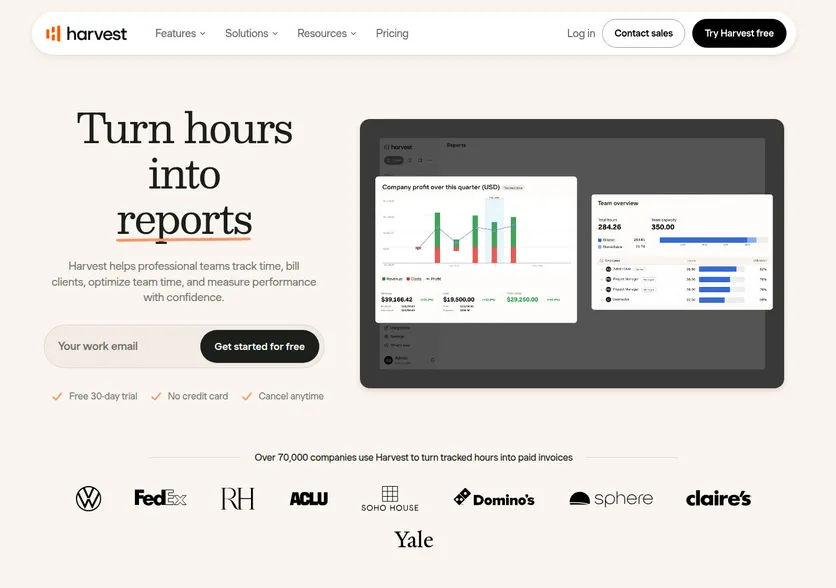
A studio that bills clients by the hour needs time tracking that never gets in the way, and this Harvest plan costs ten dollars and eighty cents per seat a month billed annually on Pro. One-click timers, expense capture and invoicing sit together, so the hours a team logs become the invoice a client pays. The free plan covers one seat and two projects, which is enough to test it on a real job.
What we like
- One-click timers that the whole team actually uses
- Tracked hours flow straight into invoices
- Simple reports show which projects make money
Watch out for
- No built-in resource scheduling without the Forecast add-on
- Project planning depth is thinner than the dedicated tools
How to try it
- Create a project with its hourly budget and rate
- Start the timer when work begins and stop it when it ends
- Send the invoice straight from the tracked hours
3. Float
Best for: Studios that schedule people, not just tasks
Paid tool Starting price: $7/person/month · Seven dollars per person a month billed annually on Starter (eight dollars and fifty cents billed monthly); Pro is twelve dollars billed annually (fourteen dollars billed monthly); Enterprise is by quote; only scheduled people are billed
Free plan: No free plan; 30-day free trial
When the question is who is free next week rather than what is due, this Float plan costs seven dollars per person a month billed annually on Starter. It shows capacity across the whole studio on one timeline, so a principal can see the overload before the deadline hits. Only scheduled people are billed, which keeps the cost honest for part-time staff.
What we like
- Capacity view shows overload before deadlines hit
- Only scheduled people are billed
- Clean timeline that principals read at a glance
Watch out for
- No free plan, only a thirty-day trial
- Time tracking and invoicing need other tools
How to try it
- Add the team and set each person's capacity and role
- Drag projects onto the timeline to schedule people
- Check the capacity heatmap before taking on new work
4. BigTime
Best for: Firms that need billing and budgets in one place
Paid tool Starting price: $20/user/month · From twenty dollars per user a month on Essentials, the only published price; Advanced, Premier and Enterprise are quote-only; the pricing page does not state a billing basis or a minimum user count
Free plan: No free plan; free demo
A firm that wants time tracking, budgeting and invoicing to share one database should look at this BigTime plan, which costs twenty dollars per user a month from Essentials. It tracks hours against project budgets, flags overruns early and turns approved time into client invoices. The catch is that twenty dollars is the only published price, and the higher tiers are all quote-only.
What we like
- Time, budgets and invoicing share one database
- Budget alerts flag overruns before they grow
- Built for professional services billing
Watch out for
- Only one price is published, so higher tiers need a quote
- No free plan and no free trial is listed
How to try it
- Set up projects with budgets, rates and staff assignments
- Log time and expenses against each project daily
- Approve hours and generate the client invoice
5. Productive
Best for: Firms that run projects on profitability, not just hours
Paid tool Starting price: $9/user/month · Nine dollars per user a month billed annually on Essential (ten dollars billed monthly); Professional is twenty-four dollars billed annually (twenty-five dollars billed monthly, though one listing shows twenty-eight dollars); Ultimate is custom; three-seat minimum on every plan
Free plan: No free plan; 14-day free trial
A practice that judges every project by profit rather than hours will get the most from this Productive plan, which costs nine dollars per user a month billed annually on Essential. It ties time, budgets and invoicing to profitability reports, so a partner can see which clients and project types actually make money. The three-seat minimum means the smallest real bill is twenty-seven dollars a month.
What we like
- Profitability reports by project, client and team
- Time, budgets and invoicing in one workflow
- Clean interface that non-finance staff can use
Watch out for
- Three-seat minimum raises the real entry cost
- Deeper reporting and resourcing need Professional
How to try it
- Create projects with budgets and hourly rates
- Log time and track profitability as the work runs
- Review the profit report by client before quoting the next job
6. Scoro
Best for: Firms that want quoting, CRM and delivery together
Paid tool Starting price: $26/user/month · Twenty-six dollars per user a month billed annually on Essential (twenty-eight dollars billed monthly); Standard is thirty-seven dollars billed annually and Pro is sixty-three dollars billed annually; Ultimate is custom; five-seat minimum on every plan, so the real entry is one hundred and thirty dollars a month
Free plan: No free plan; 14-day free trial
A firm that wants quoting, client management and project delivery in one system should consider this Scoro plan, which costs twenty-six dollars per user a month billed annually on Essential. It carries a job from quote to invoice without re-entering data, and the utilisation views show who is free before a new project lands. The five-seat minimum puts the real entry at one hundred and thirty dollars a month.
What we like
- Quote to invoice in one system with no re-entry
- Utilisation views show who is free before new work
- Strong reporting on margins and pipeline
Watch out for
- Five-seat minimum makes the real entry one hundred and thirty dollars a month
- Setup takes longer than the simpler tools in this list
How to try it
- Quote the project and convert the quote into a live job
- Schedule the team and track time against the plan
- Invoice from the same job and review margins monthly
7. Avaza
Best for: Small studios that want one flat monthly price
Paid tool Starting price: $11.95/month · Eleven dollars and ninety-five cents a month flat on Startup; Basic is twenty-three dollars and ninety-five cents and Business is forty-seven dollars and ninety-five cents; extra timesheet and admin users are seven dollars per user a month; one listing reports annual rates of nine dollars and ninety-six cents a month, but most sources show monthly billing only
Free plan: Free plan
A small studio that wants time tracking, tasks and invoicing for one flat fee will like this Avaza plan, which costs eleven dollars and ninety-five cents a month flat on Startup. The price does not rise with each team member, and the free plan is genuinely usable for a solo practitioner. It is the simplest tool in this list, which is either its strength or its limit depending on the firm.
What we like
- Flat monthly price that does not rise per user
- Free plan that a solo practitioner can use
- Time, tasks and invoicing in one simple app
Watch out for
- Flat pricing caps the team size on the cheaper plans
- Reporting and scheduling are lighter than the dedicated tools
How to try it
- Add projects and invite the team to track time
- Schedule tasks and share files in the project workspace
- Generate invoices from the tracked hours and expenses
Prices above were checked on each vendor’s own website on Nov 29, 2026 and can change — the vendor’s page is the final word. Vendor links are editorial: nobody paid to be listed or ranked here. Vendors who want a featured listing can see how it works on our Get listed page.
How to plan staff capacity in an architecture studio
Start with the fee, not the calendar, because a studio that knows what each phase should earn can staff it properly, while a studio that only watches deadlines finds out too late that the hours are gone. Build the plan around phases, since design work moves in stages and a flat task list hides the handover points where work stalls. Check utilisation every week, not every quarter, because a principal who is booked at one hundred and twenty percent will burn out long before the next review. Finally, keep one source of truth for who is doing what, because two rosters always disagree and the project that loses is the one nobody scheduled.
Before you buy
- Check whether the tool prices per user or per firm, since flat monthly rates change the cost at different team sizes
- Ask if project budgeting and utilisation reports come with the entry plan or a dearer tier
- Make sure time tracking feeds billing and invoicing without a manual export step
- Test the scheduling view with a real multi-phase project before committing to a year
- Confirm the minimum seat count, since a three or five-seat floor raises the real entry price
Official websites
Official websites of the products reviewed above. Features and prices were checked against these sites when this guide was written, and they can change, so confirm on the vendor site before you buy.
Frequently asked questions
What is workforce planning software for architecture firms?
It is software that plans staff capacity, project phases and budgets for an architecture practice, so principals can see who is free, which projects are on budget and where fees are leaking. The best tools tie time tracking to invoicing, because an architecture firm earns money by the hour and by the phase, and a tool that only tracks tasks misses the billing half of the job.
How much does Monograph cost?
Monograph costs from forty-five dollars a month, with the vendor page showing a range of forty-five to four hundred and ninety dollars a month set by firm size rather than a per-user rate. Some comparison sites quote forty-five dollars per user a month, which the vendor page does not support, so ask Monograph for the figure that matches your headcount before budgeting.
Which workforce planning tool is cheapest for architecture firms?
Float is the cheapest per-person start at seven dollars per person a month billed annually, and only scheduled people are billed. Productive follows at nine dollars per user a month billed annually, with a three-seat minimum. Avaza charges a flat eleven dollars and ninety-five cents a month regardless of team size, which can be cheapest for a small studio with several staff.
Is there free workforce planning software for architecture firms?
Harvest offers a free plan for one seat and two projects, and Avaza offers a free plan for a solo practitioner. Both are genuine free tiers rather than trials, so a small studio can track time and invoice without paying. A growing firm will outgrow either free plan quickly and should compare the paid plans above, which start at seven dollars per person a month.
Why do Deltek Vision and BQE Core not appear in this list?
Deltek Vision and BQE Core are the two big architecture-specific platforms missing here, because both sell by quote and publish no list prices. They belong on the shortlist for a large firm that wants a full enterprise system, but budgeting for them needs a sales conversation. The seven tools above all publish prices, so the costs in this guide can be checked on the vendor site.
Compare the seven tools above, then trial the one that matches how the firm tracks projects and bills clients, and check the real cost at your seat count before paying for a year.
Browse Business Tools tools