On this page
Click and collect only works when the website, the till and the stockroom agree on what is actually on the shelf. The seven platforms below run from free to one hundred nine dollars a month, and every price was checked on the vendor site on November 27, 2026. One stock count, pickup order handling and in-store fulfilment matter more than theme design, so we judged each platform on whether a customer can order online and collect in store without a phone call. Shopify is our first pick — one catalog and one stock count across online, social and in-person sales.
How we researched this
We started with the commerce platforms omnichannel retailers actually run, then read each price on the vendor pricing page on November 27, 2026 and noted the trial each plan carries. We judged them for a retailer that sells online and in store, needs one stock count, pickup orders and a point of sale that shares the same catalog. We dropped Kibo, Fluent Commerce, Manhattan Associates, Blue Yonder, Radial and Deposco because they are enterprise platforms priced by quote.
Compare the tools
| Name | Best for | Starting price | Free plan | |
|---|---|---|---|---|
 Shopify | Retailers that want one catalog and one stock count everywhere they sell | $39/month | No free plan; free trial available | Visit |
 BigCommerce | Growing retailers that want features built in rather than bought as apps | $39/month | No free plan; 15-day free trial | Visit |
 Lightspeed Retail | Multi-location retailers with deep stock needs and purchase orders | $109/month | No free plan; 14-day free trial | Visit |
 Square | In-person sellers who want a free start and pickup when ready | Free | Free plan available | Visit |
 WooCommerce | WordPress retailers that want full control over their store | Free | Free core plugin | Visit |
 Wix | Small retailers that want a site and a small store in one place | $17/month | Free plan available | Visit |
 Ecwid | Retailers that want to add a store to an existing site or social page | $29/month | No free plan; Starter from $5/month | Visit |
The click and collect software for omnichannel retailers, compared
1. Shopify
Best for: Retailers that want one catalog and one stock count everywhere they sell
Paid tool Starting price: $39/month · Thirty-nine dollars a month for Basic billed monthly, or twenty-nine dollars a month billed annually, with Grow at one hundred five dollars and Advanced at three hundred ninety-nine dollars
Free plan: No free plan; free trial available
Shopify is the safe choice for a retailer that sells everywhere, with one catalog and one stock count across the online store, social channels and the in-person point of sale. This Shopify Basic plan costs thirty-nine dollars a month billed monthly and includes a full online store, unlimited products and access to the largest app library in ecommerce. A customer can order online, choose pickup and collect in store while the stock count updates itself.

What we like
- One catalog and one stock count across every channel
- The largest app library in ecommerce for pickup workflows
- Shopify Payments is built in with no extra platform fee
Watch out for
- Basic gives only the owner a staff account, so teams need Grow
- Transaction fees apply unless you use Shopify Payments
How to try it
- Open the Shopify pricing page and start the free trial
- Import your catalog and set up local pickup at checkout
- Test one pickup order from the website to the till
2. BigCommerce
Best for: Growing retailers that want features built in rather than bought as apps
Paid tool Starting price: $39/month · Thirty-nine dollars a month for Core billed monthly, or twenty-nine dollars a month billed annually, with Growth at one hundred five dollars and Scale at three hundred ninety-nine dollars
Free plan: No free plan; 15-day free trial
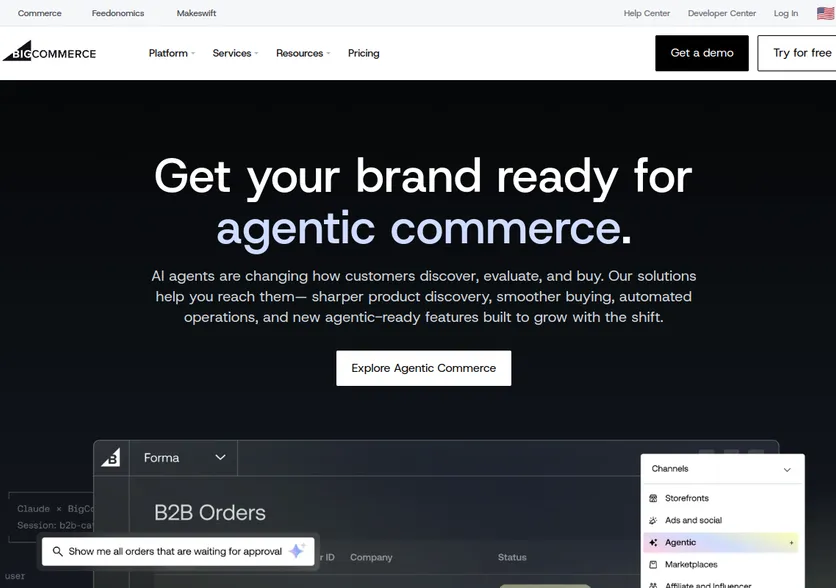
BigCommerce suits a retailer with a real team, since every plan includes unlimited staff accounts, products and storage with multi-currency selling built in. This BigCommerce Core plan costs thirty-nine dollars a month billed monthly and covers the store, multi-channel selling and real-time shipping quotes without an app bill. A retailer that sells on marketplaces and social channels beside its own store keeps one catalog across all of them.
What we like
- Unlimited staff accounts, products and storage on every plan
- Multi-channel selling and gift cards are built in, not apps
- No platform fee on top of the payment provider rates
Watch out for
- Core caps trailing twelve-month sales at thirty thousand dollars
- The store auto-upgrades as sales grow, so the bill can jump
How to try it
- Open the BigCommerce pricing page and start the fifteen-day trial
- Import your catalog and set up local pickup at checkout
- Connect one marketplace and check the stock sync
3. Lightspeed Retail
Best for: Multi-location retailers with deep stock needs and purchase orders
Paid tool Starting price: $109/month · One hundred nine dollars a month for Basic billed monthly, or eighty-nine dollars a month billed annually, with Core at one hundred forty-nine dollars and Plus at two hundred eighty-nine dollars
Free plan: No free plan; 14-day free trial
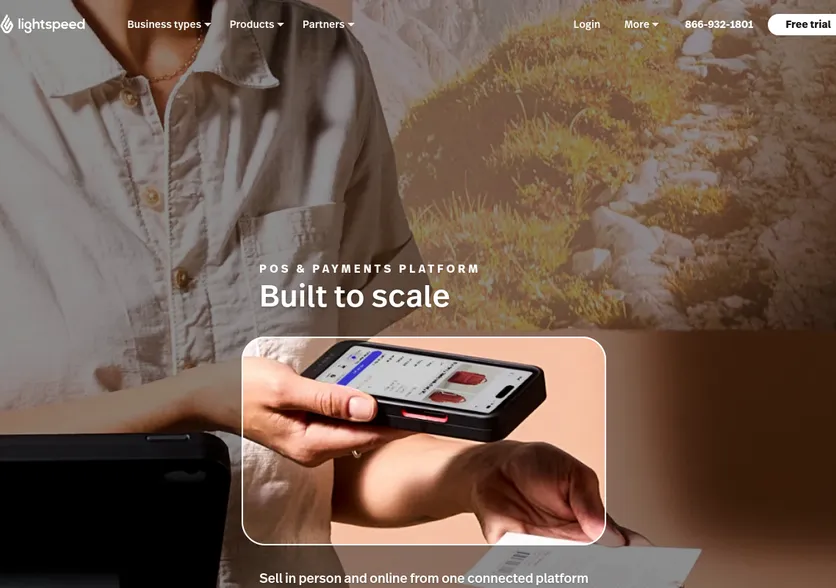
Lightspeed Retail is the right fit when a retailer is mostly physical, with an online store alongside, because its stock tools run deeper than the hosted store platforms. This Lightspeed Retail Basic plan costs one hundred nine dollars a month billed monthly and includes point of sale, payments, purchase orders and a basic online store for one register and one location. A retailer with matrix variants, bundles and stock transfers between locations gets the control it needs.
What we like
- Deep stock tools with variants, bundles and purchase orders
- Stock transfers between locations are built in
- Card-present payments at two point six percent plus ten cents
Watch out for
- Basic covers one register and one location only
- Extra registers cost fifty-nine dollars a month each
How to try it
- Open the Lightspeed Retail pricing page and check the register limits
- Import your catalog with variants and test a stock transfer
- Set up local pickup and run one order through the till
4. Square
Best for: In-person sellers who want a free start and pickup when ready
Paid tool Starting price: Free · Free per location per month for the core point of sale, with Plus at forty-nine dollars per location per month for advanced tools
Free plan: Free plan available
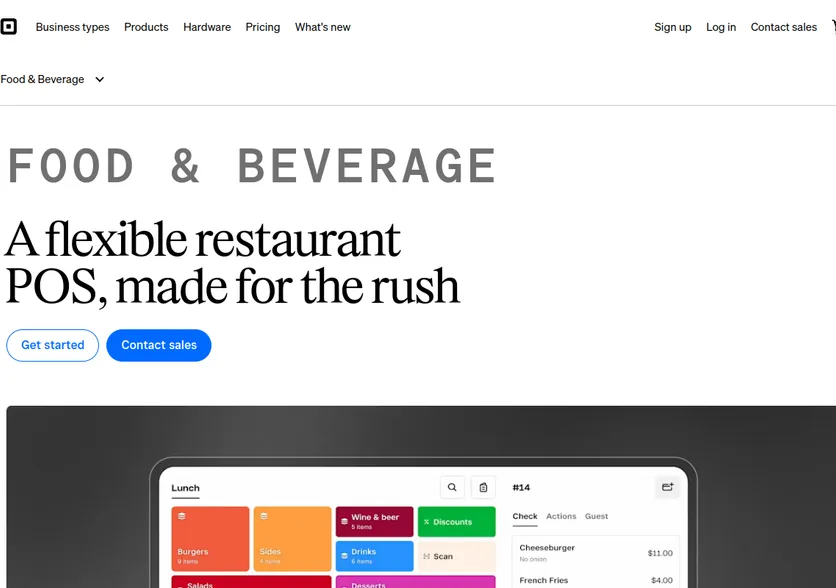
Square is the cheapest way to start selling in person, with a free point of sale that takes payments and tracks stock without a monthly bill. This Square free plan costs nothing per location per month and covers the point of sale, payments and basic stock, with an online store and pickup orders added through Square Online. A retailer that starts at a market stall and grows into a shop can keep the same system all the way.
What we like
- A free point of sale with no monthly cost per location
- Online store and pickup orders plug into the same stock
- Card payments are simple with no monthly minimum
Watch out for
- Advanced tools need Plus at forty-nine dollars per location
- The free plan has no classes or advanced reporting
How to try it
- Open the Square pricing page and start on the free plan
- Set up the point of sale and add your products
- Add Square Online when you want pickup orders from a website
5. WooCommerce
Best for: WordPress retailers that want full control over their store
Paid tool Starting price: Free · Free for the core plugin, with hosting separate and extensions bought one by one from twenty-nine dollars to two hundred ninety-nine dollars a year each
Free plan: Free core plugin
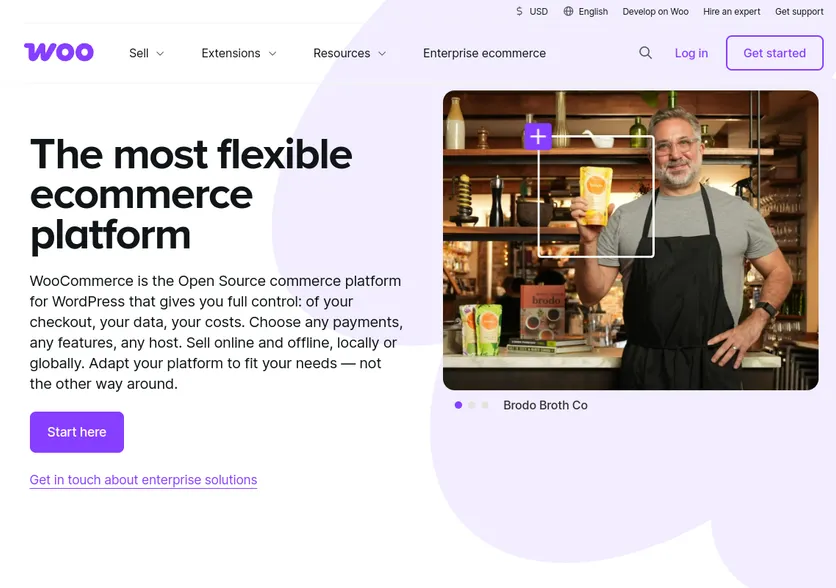
WooCommerce is the free plugin that turns a WordPress site into a store, giving a retailer full control over the catalog, the checkout and the data. This WooCommerce core plugin costs nothing, though hosting is separate and payment processing is charged by the provider. A retailer that already runs WordPress gets pickup orders and local delivery through extensions, with no platform fee on top of the sale.
What we like
- The core plugin is free with no platform fee on sales
- Full control over the store, the checkout and the data
- Thousands of extensions cover pickup, delivery and payments
Watch out for
- Hosting is separate and costs extra every month
- Extensions are bought one by one and the bill adds up
How to try it
- Open the WooCommerce site and check the hosting requirements
- Install the plugin on your WordPress site and import products
- Add a local pickup extension and test one order
6. Wix
Best for: Small retailers that want a site and a small store in one place
Paid tool Starting price: $17/month · Seventeen dollars a month for Light billed annually, or twenty-four dollars a month billed monthly, with Core at twenty-nine dollars for payments and a small store
Free plan: Free plan available
Wix gives a small retailer a website and a store in one editor, with the cheapest paid start in this list for a shop that also needs pages and a blog. This Wix Light plan costs seventeen dollars a month billed annually, though Light cannot accept payments, so a selling store needs Core at twenty-nine dollars a month billed annually. A retailer with a small catalog and a simple pickup flow gets a live store fast without learning a commerce platform.

What we like
- The cheapest paid start in this list at seventeen dollars a month
- Website, blog and store in one editor with a free plan
- A live store can be running within a day
Watch out for
- Light cannot accept payments, so selling needs Core
- Stock and pickup tools are lighter than Shopify or Lightspeed
How to try it
- Open the Wix pricing page and start on the free plan
- Pick a store template and add your products
- Move to Core when you want to accept payments and pickup orders
7. Ecwid
Best for: Retailers that want to add a store to an existing site or social page
Paid tool Starting price: $29/month · Twenty-nine dollars a month for Venture billed annually, or thirty-five dollars a month billed monthly, with Starter at five dollars and Business at forty-nine dollars
Free plan: No free plan; Starter from $5/month
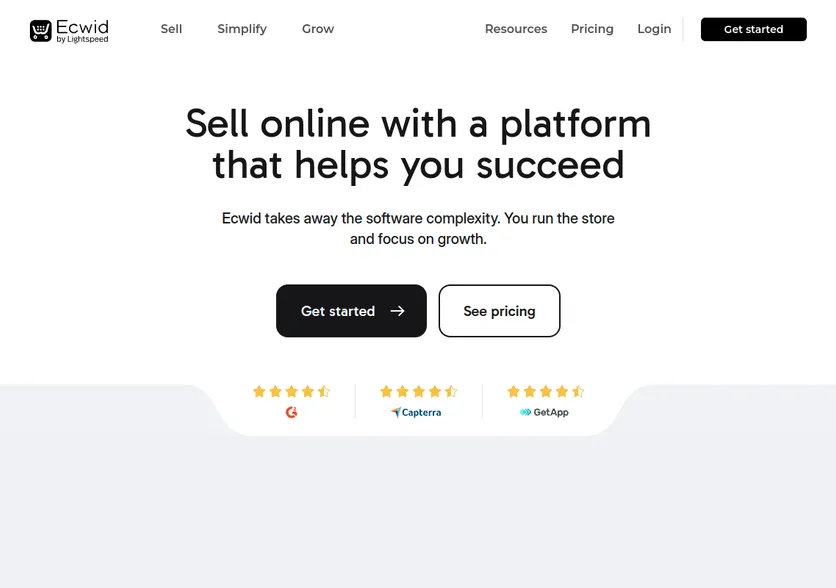
Ecwid adds a store to a website a retailer already has, instead of asking for a rebuild, and it sells on social channels beside the site. This Ecwid Venture plan costs twenty-nine dollars a month billed annually and covers up to one hundred products, discount coupons and social selling, with no transaction fees on any plan. A retailer with a good site that only needs a store and pickup orders gets selling without moving house.
What we like
- Adds a store to an existing site with no rebuild
- No transaction fees on any plan
- Sells on social channels beside the website
Watch out for
- The free plan was removed, so even a tiny store pays five dollars
- Venture caps the catalog at one hundred products
How to try it
- Open the Ecwid pricing page and start on the Starter plan
- Add the store to your existing website or social page
- Set up local pickup and test one order end to end
Prices above were checked on each vendor’s own website on Nov 27, 2026 and can change — the vendor’s page is the final word. Vendor links are editorial: nobody paid to be listed or ranked here. Vendors who want a featured listing can see how it works on our Get listed page.
What click and collect software costs in 2026
Click and collect platforms run from free on Square and WooCommerce to one hundred nine dollars a month on Lightspeed Retail, and the stock count decides the real cost. Shopify and BigCommerce both start at thirty-nine dollars a month with one catalog across channels, while Lightspeed charges more but handles variants, bundles and transfers that the hosted stores struggle with. Add the register and location fees before you compare, because a cheap plan that covers one register can cost more than a dearer plan that covers three.
Run one pickup order end to end on each finalist, from the website to the till to the customer walking out with the bag. Check that the stock count drops the moment the order is placed, and that a cancelled order puts the item back on the shelf. Pick the platform whose pickup flow needs no phone call, because every call is a customer the system failed.
Before you buy
- Run one pickup order end to end, because a flow that needs a phone call is a flow that has already failed.
- Check that the stock count drops the moment an order is placed, because overselling a pickup order loses the customer twice.
- Count registers and locations before you compare, because a cheap plan that covers one register can cost more than a dearer plan that covers three.
- Confirm a cancelled pickup order puts the item back on the shelf, because lost stock is the hidden cost of a bad flow.
- Add payment processing to the subscription, because card fees can cost more than the monthly plan itself.
Official websites
Official websites of the products reviewed above. Features and prices were checked against these sites when this guide was written, and they can change, so confirm on the vendor site before you buy.
Frequently asked questions
Which click and collect software is best for omnichannel retailers in 2026?
Shopify is the best overall pick at thirty-nine dollars a month, with one catalog and one stock count across online, social and in-person sales. Square is the best free start, with a free point of sale per location and pickup orders through Square Online. Lightspeed Retail is the best pick for inventory-heavy retail at one hundred nine dollars a month, with deep stock tools and purchase orders.
How much does click and collect software cost?
Prices in this list run from free for Square and the WooCommerce core plugin to one hundred nine dollars a month for Lightspeed Retail Basic. Wix Light costs seventeen dollars a month, Ecwid Venture twenty-nine dollars a month, and Shopify Basic and BigCommerce Core thirty-nine dollars a month each. Register, location and payment processing fees sit on top of every subscription.
Do I need a separate point of sale for click and collect?
No, every platform in this list includes or plugs into a point of sale that shares the same catalog and stock count. Shopify, Lightspeed and Square all run their own point of sale, while BigCommerce, WooCommerce, Wix and Ecwid connect to one. The point is that the website and the till agree on stock, so a customer never orders an item that the shelf no longer holds.
What is the difference between Shopify and BigCommerce for pickup orders?
Both start at thirty-nine dollars a month with one catalog across channels, but they differ on limits and staff. Shopify Basic gives only the owner a staff account, so a team needs Grow at one hundred five dollars a month, while BigCommerce Core includes unlimited staff accounts. BigCommerce caps trailing twelve-month sales at thirty thousand dollars on Core and auto-upgrades as sales grow, while Shopify has no sales cap on Basic.
Can WooCommerce handle click and collect for free?
The core plugin is free, but a working pickup store is not. Hosting is separate and costs extra every month, and pickup, delivery and payment extensions are bought one by one from twenty-nine dollars to two hundred ninety-nine dollars a year each. A retailer that already runs WordPress and hosting can still come out cheaper than a hosted platform, but the total needs adding up before you compare.
Selling online too? Try Toolsvine's free business tools right in your browser.
Browse Business Tools tools