On this page
Running a store on one channel leaves money on the table, and juggling five dashboards eats the day you could spend growing the business. The seven platforms below sell on your website, on marketplaces and on social media from one catalogue, so a price change or a stock update lands everywhere at once. Every price was checked on the vendor site on November 27, 2026, and the list runs from twenty-nine dollars a month to eighty-nine dollars a month. Shopify is our first pick — the platform that pairs the strongest sales channels with the simplest multi channel setup.
How we researched this
We started with the commerce platforms that publish a list price and sell on more than one channel, then read each price on the vendor pricing page on November 27, 2026 and noted the trial each plan carries. We judged them for a small store that lists the same catalogue on its website, on marketplaces and on social media, and needs stock and orders to stay in step everywhere. We dropped WooCommerce, Adobe Commerce, Salesforce Commerce Cloud, Oracle Commerce and SAP Commerce Cloud because none of them publishes a simple monthly list price for a small store, so a buyer cannot compare them without a sales call or a hosting bill.
Compare the tools
| Name | Best for | Starting price | Free plan | |
|---|---|---|---|---|
 Shopify | Small stores that want the most sales channels with the least setup. | $29/month | No free plan; 3-day free trial. | Visit |
 BigCommerce | Growing stores that sell on many marketplaces and hate transaction fees. | $29/month | No free plan; 15-day free trial. | Visit |
 Wix | Small sellers that want a website, store and marketing tools in one place. | $29/month | Free plan available; 14-day money-back guarantee. | Visit |
 Squarespace | Brand-led sellers that want a beautiful store and social selling. | $29/month | No free plan; 14-day free trial. | Visit |
 Ecwid by Lightspeed | Sellers with an existing website who want to add commerce fast. | $29/month | No free plan; Starter plan costs five dollars a month. | Visit |
 Square Online | Local retailers that already use Square at the counter. | $29/month | Free plan available; Plus removes the Square branding and adds features. | Visit |
 Lightspeed Retail | Multi location retailers that need serious stock control. | $89/month | No free plan; 14-day free trial. | Visit |
The e commerce software for multi channel sales, compared
1. Shopify
Best for: Small stores that want the most sales channels with the least setup.
Paid tool Starting price: $29/month · Twenty-nine dollars a month for the Basic plan billed annually, or thirty-nine dollars month to month. Grow costs seventy-nine dollars and Advanced costs two hundred and ninety-nine dollars a month on annual billing.
Free plan: No free plan; 3-day free trial.
Shopify is the commerce platform that most multi channel sellers start with, pairing a hosted storefront with built-in sales channels for marketplaces and social media. This Shopify Basic plan costs twenty-nine dollars a month on annual billing and connects the same catalogue to an online store, to point of sale and to social shopping. A seller that lists on several channels gets orders, stock and customer records in one admin instead of five disconnected dashboards.

What we like
- Native channels for marketplaces, social media and point of sale
- One admin for orders, stock and customers across channels
- Huge app store when a niche channel or feature is needed
Watch out for
- Apps and themes can add real monthly cost above the plan price
- Third party card processing adds a fee on top of Shopify Payments
How to try it
- Add your products and set prices, then connect the sales channels you use.
- Turn on stock tracking so a sale on any channel lowers stock everywhere.
- Connect Shopify Payments and test a checkout on your phone before launch.
2. BigCommerce
Best for: Growing stores that sell on many marketplaces and hate transaction fees.
Paid tool Starting price: $29/month · Twenty-nine dollars a month for the Core plan billed annually, or thirty-nine dollars month to month. Core was called Standard before June 2026 and auto-upgrades above thirty thousand dollars of trailing twelve-month sales.
Free plan: No free plan; 15-day free trial.
BigCommerce is the hosted commerce platform for sellers that want no transaction fees and unlimited products on the entry plan, with native channels for marketplaces and social media. This BigCommerce Core plan costs twenty-nine dollars a month on annual billing and syncs listings to Amazon, eBay, Walmart, Facebook, Instagram and Google Shopping. A growing store gets B2B basics and multi storefront support without paying for apps to unlock each new channel.

What we like
- No transaction fees and unlimited products on Core
- Native channels for the big marketplaces and social platforms
- Multi storefront and B2B features appear early in the plan ladder
Watch out for
- Sales above thirty thousand dollars a year force a plan upgrade
- Phone support was removed from the Core plan in 2026
How to try it
- Import your catalogue and set up tax and shipping zones for each channel.
- Connect the marketplaces you sell on and map your categories once.
- Set inventory rules so low stock pauses listings instead of overselling.
3. Wix
Best for: Small sellers that want a website, store and marketing tools in one place.
Paid tool Starting price: $29/month · Twenty-nine dollars a month for the Core plan billed annually, or thirty-six dollars month to month. Light costs seventeen dollars a month but cannot sell online.
Free plan: Free plan available; 14-day money-back guarantee.
Wix is the website builder that turns a small store into a multi channel seller, with ecommerce, bookings and marketing tools in one editor. This Wix Core plan costs twenty-nine dollars a month on annual billing and lets a store sell up to fifty thousand products with abandoned cart recovery included. A design-led seller gets a polished storefront and social selling without hiring a developer to wire the channels together.

What we like
- Drag and drop editor makes a polished storefront fast
- Abandoned cart recovery included on the Core plan
- Bookings, events and email marketing in the same account
Watch out for
- Deep multi marketplace sync needs third party apps
- Template switching is not possible without rebuilding the site
How to try it
- Pick a store template and add products with photos and prices.
- Connect Facebook and Instagram shopping to the same catalogue.
- Turn on abandoned cart emails and test the checkout on mobile.
4. Squarespace
Best for: Brand-led sellers that want a beautiful store and social selling.
Paid tool Starting price: $29/month · Twenty-nine dollars a month for the Core plan billed annually, or thirty-nine dollars month to month. Basic costs nineteen dollars a month but takes two percent of store sales.
Free plan: No free plan; 14-day free trial.
Squarespace is the design-first builder for sellers that want a beautiful storefront and a store that sells on social channels from the same catalogue. This Squarespace Core plan costs twenty-nine dollars a month on annual billing and charges no transaction fee on online store sales. A brand-led seller gets automated taxes, shipping labels, discounts and Google Shopping in one plan instead of stitching apps together.

What we like
- No transaction fee on store sales on the Core plan
- Some of the best looking store templates on the market
- Automated taxes, shipping labels and discounts built in
Watch out for
- Marketplace selling needs third party connectors
- Fewer specialist ecommerce apps than Shopify or BigCommerce
How to try it
- Choose a commerce template and import your product catalogue.
- Connect Instagram and Facebook shopping to the same products.
- Set up automated taxes and print a test shipping label.
5. Ecwid by Lightspeed
Best for: Sellers with an existing website who want to add commerce fast.
Paid tool Starting price: $29/month · Twenty-nine dollars a month for the Venture plan billed annually, or thirty-five dollars month to month. Starter costs five dollars a month for ten products and Business costs forty-nine dollars a month.
Free plan: No free plan; Starter plan costs five dollars a month.
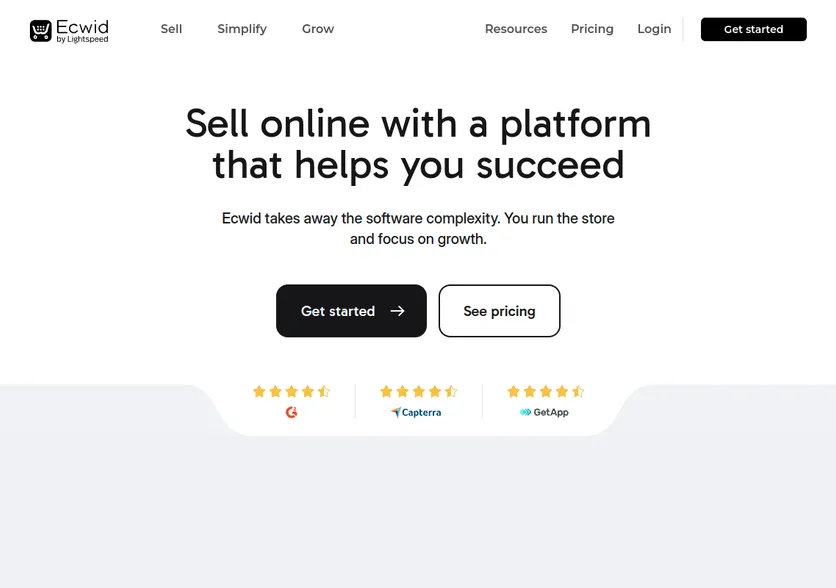
Ecwid by Lightspeed is the add-on storefront for sellers that already have a website and want to sell on it, on social media and on marketplaces without rebuilding anything. This Ecwid Venture plan costs twenty-nine dollars a month on annual billing and covers up to one hundred products with discount coupons and social selling included. A small seller gets a store that drops into any existing site and syncs stock across every channel it touches.
What we like
- Drops into any existing website in minutes
- Social selling and discount coupons on the Venture plan
- One stock record across website, social and marketplaces
Watch out for
- The free plan was removed in November 2026
- Advanced marketing automation sits on dearer plans
How to try it
- Create your store and add the Ecwid widget to your existing site.
- Connect your Facebook and Instagram shops to the same catalogue.
- Set up discount coupons and test a purchase end to end.
6. Square Online
Best for: Local retailers that already use Square at the counter.
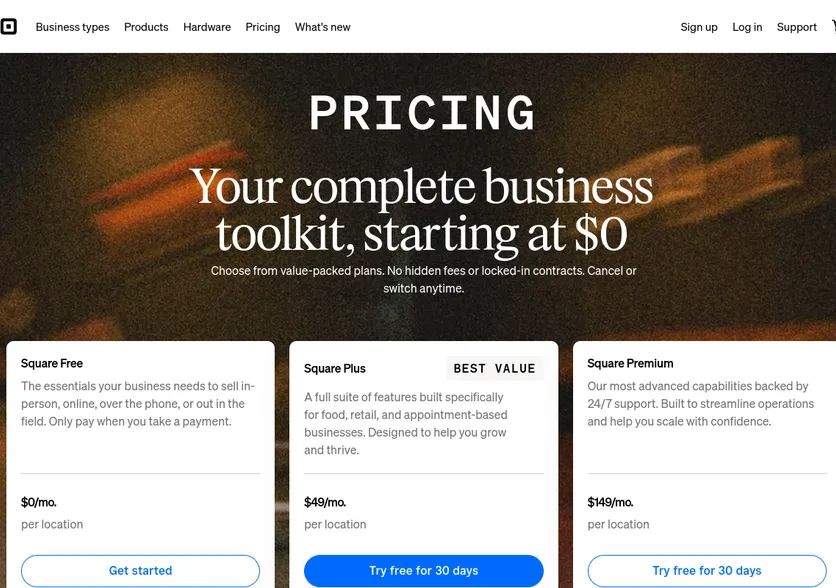
Paid tool Starting price: $29/month · Twenty-nine dollars a month for the Plus plan billed annually. Premium costs seventy-nine dollars a month and the free plan charges three point three percent plus thirty cents per online transaction.
Free plan: Free plan available; Plus removes the Square branding and adds features.
Square Online is the storefront for sellers that already take payments through Square, syncing online orders with in-person sales and inventory in one place. This Square Online Plus plan costs twenty-nine dollars a month on annual billing and adds a custom domain, abandoned cart emails and customer accounts. A local retailer gets online ordering, pickup and delivery tied to the same stock that sits on the shop shelves.
What we like
- Online and in-person stock stay in step automatically
- Pickup and delivery orders flow into the same system
- Simple setup for sellers already using Square payments
Watch out for
- Fewer marketplace channels than Shopify or BigCommerce
- Design flexibility is narrower than Wix or Squarespace
How to try it
- Import your Square inventory into the online store.
- Set up pickup and delivery options for your local area.
- Connect your custom domain and turn on abandoned cart emails.
7. Lightspeed Retail
Best for: Multi location retailers that need serious stock control.
Paid tool Starting price: $89/month · Eighty-nine dollars a month for the Basic plan billed annually, or one hundred and nine dollars month to month. Core costs one hundred and forty-nine dollars and Plus costs two hundred and eighty-nine dollars a month.
Free plan: No free plan; 14-day free trial.
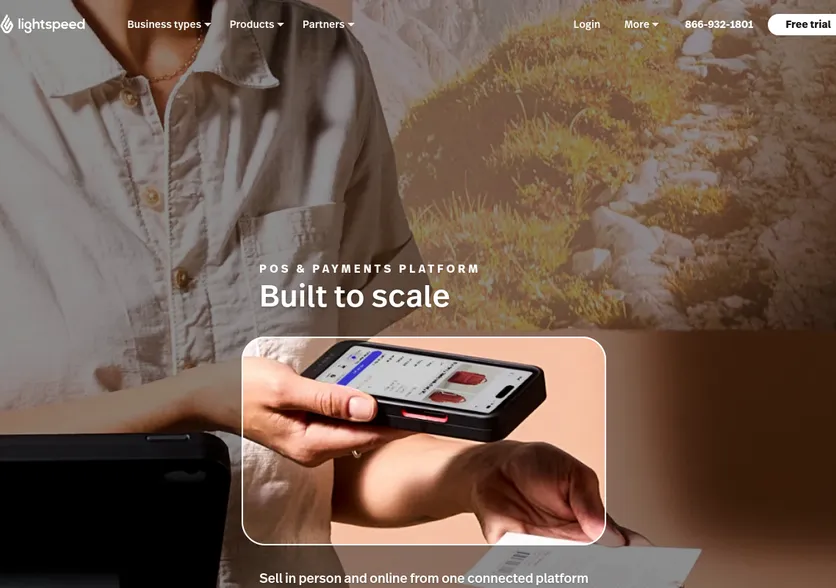
Lightspeed Retail is the inventory-first point of sale for retailers that sell in store and online from one stock record, with ecommerce built into every plan. This Lightspeed Retail Basic plan costs eighty-nine dollars a month on annual billing and includes one register, integrated payments and basic ecommerce. A specialty retailer gets multi location stock control and wholesale catalogues without a separate online store subscription.
What we like
- One stock record for the shop floor and the website
- Wholesale catalogues and multi location stock built in
- Basic ecommerce included on every plan
Watch out for
- Eighty-nine dollars a month is dear for a single shop
- Extra registers cost fifty-nine dollars a month each
How to try it
- Import your inventory and set stock levels for each location.
- Turn on the included ecommerce store and sync your catalogue.
- Connect integrated payments and run a test sale at the register.
Prices above were checked on each vendor’s own website on Nov 27, 2026 and can change — the vendor’s page is the final word. Vendor links are editorial: nobody paid to be listed or ranked here. Vendors who want a featured listing can see how it works on our Get listed page.
What multi channel software costs in 2026
Six of the seven platforms here start at twenty-nine dollars a month on annual billing, and the outlier is Lightspeed Retail at eighty-nine dollars because it is a full point of sale, not just a website store. The subscription is only half the bill. Card processing runs around three percent of each sale, and a few plans add a transaction fee on top, so a cheaper monthly plan can cost more than a dearer one once sales grow. Watch the sales cap too: BigCommerce moves you to a dearer plan once trailing sales pass thirty thousand dollars.
Start with the channels you already sell on, not the ones you hope to reach. List your top sellers everywhere first, prove that stock stays in step for a fortnight, and only then add the next marketplace. A buyer that signs up for a free trial on two shortlisted platforms will learn more in a weekend than a month of comparison charts can teach.
Before you buy
- Check which marketplaces are native channels, because a connector app adds a monthly fee and a sync delay.
- Confirm stock syncs in both directions, because a sale on one channel must lower stock everywhere at once.
- Add card processing and transaction fees to the subscription, because a cheap plan can cost more than a dearer one.
- Test the mobile checkout on your own phone, because most social traffic buys on a small screen.
- Check the sales cap that forces an upgrade, because a revenue threshold can move you to a dearer plan mid-year.
Official websites
Official websites of the products reviewed above. Features and prices were checked against these sites when this guide was written, and they can change, so confirm on the vendor site before you buy.
Frequently asked questions
Which e commerce software is best for multi channel sales in 2026?
Shopify is the best overall pick at twenty-nine dollars a month on annual billing, with the strongest native channels for marketplaces, social media and point of sale. Squarespace suits design-led brands that want a beautiful storefront with no transaction fee. Ecwid is the best add-on if you already have a website and want to start selling without rebuilding it.
How much does multi channel e commerce software cost?
Most platforms here cost twenty-nine dollars a month on annual billing, with Lightspeed Retail at eighty-nine dollars because it includes a full point of sale. Budget for card processing of roughly three percent per sale, plus any transaction fee your plan charges. A small store should expect around forty to sixty dollars a month all in once the fees are counted.
Do I need a separate tool for each sales channel?
No. Every platform in this list connects your website, social shops and at least some marketplaces to one catalogue, so a price change or a stock update lands everywhere at once. A separate connector is only needed for a niche marketplace that your platform does not support natively, and that usually adds a monthly fee and a sync delay.
Can a small store sell on Amazon and Instagram from one platform?
Yes. Shopify, BigCommerce and Square Online all connect to Amazon and Instagram shopping from the same product list, with orders flowing back into one admin. Squarespace and Wix cover Instagram and Google Shopping natively, and add Amazon through a connector app. Always test the sync with a few products before listing the whole catalogue.
What is the cheapest way to start selling on multiple channels?
Ecwid Starter costs five dollars a month for ten products and sells on your website and on social media, while Square Online has a free plan for sellers already using Square. Both let you prove that multi channel selling works before paying twenty-nine dollars a month. Once sales grow, move to a plan with no transaction fee so the fees stop eating your margin.
Need everyday business help too? Try Toolsvine's free business tools right in your browser.
Browse Business Tools tools