On this page
A long sales cycle is a test of memory. The lead who asked for a quote in March may buy in September, and they will have forgotten your name without something useful every few weeks. The tools below keep a conversation alive with spaced emails and a nudge when the lead returns. HubSpot Marketing Hub leads the list because its Starter plan keeps every touch on one contact timeline for fifteen dollars a seat a month, and the other seven tools are judged on the same test: whether they keep a lead warm for months without wearing them out.
How we researched this
We checked every price on the vendor pricing page on November 28, 2026, and only included tools with a published US dollar list price and a free trial or free plan. Ontraport was left out because its own pricing page showed conflicting figures in November 2026, and the big enterprise names in this category, including Pardot and 6sense, publish no prices. Prices change, so confirm the current figure on the vendor site before you buy.
Compare the tools
| Name | Best for | Starting price | Free plan | |
|---|---|---|---|---|
 HubSpot Marketing Hub | Inside sales teams that want nurture, CRM and reporting in one place | $15/seat/month | Free plan with basic marketing tools | Visit |
 ActiveCampaign | Small teams that want behavior-triggered nurture at a low price | $15/month | No free plan; 14-day free trial | Visit |
 Keap | Small businesses that want campaigns, pipeline and appointments in one tool | $249/month | No free plan; 14-day free trial | Visit |
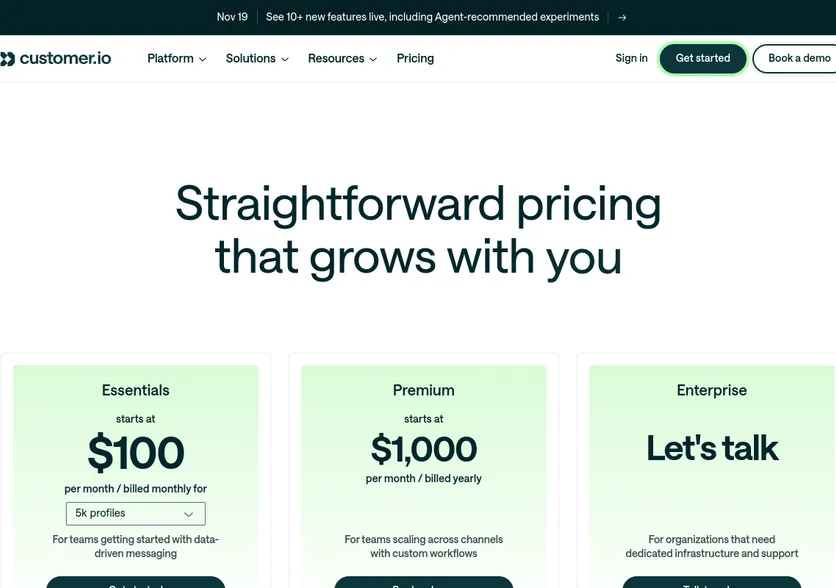
 Customer.io | Product teams that nurture from real usage behavior | $100/month | No free plan; 14-day free trial | Visit |
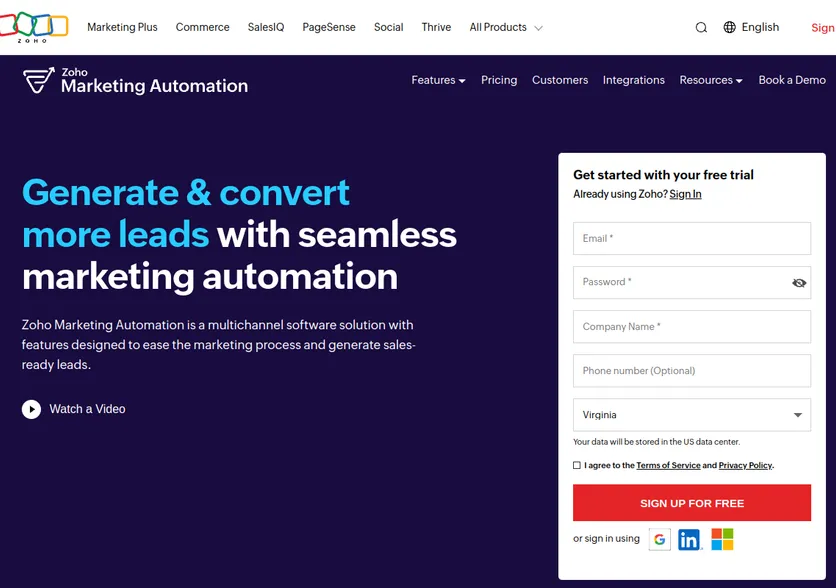
| Zoho Marketing Automation | Zoho CRM users who want journeys at a low entry price | $14/month | Free trial available | Visit |
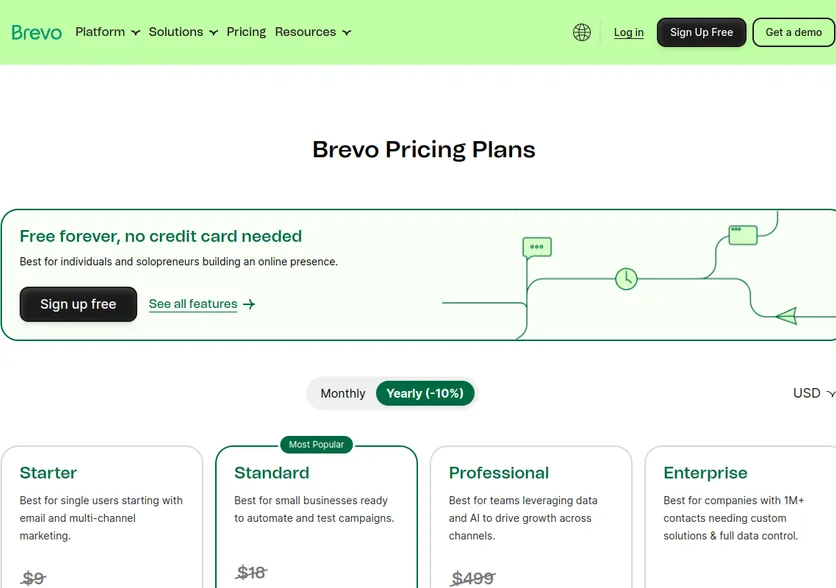
 Brevo | Teams with big lists that mail lightly and want the lowest price | $9/month | Free plan with 300 emails a day | Visit |
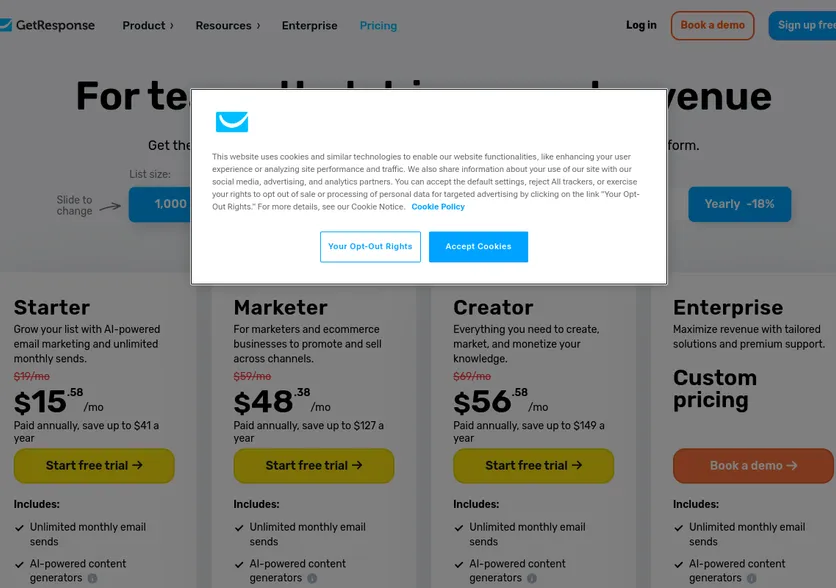
 GetResponse | Small teams that want webinars beside their nurture emails | $19/month | Free tier for up to 500 contacts | Visit |
| Drip | Ecommerce teams that nurture from purchase behavior | $39/month | No free plan; 14-day free trial | Visit |
The lead nurturing software for long sales cycles, compared
1. HubSpot Marketing Hub
Best for: Inside sales teams that want nurture, CRM and reporting in one place
Paid tool Starting price: $15/seat/month · Fifteen dollars per seat per month billed annually on the Starter plan (twenty dollars month to month) with 1,000 marketing contacts; the seven to nine dollar figures seen online are first-year new-customer discounts, not the list price. Professional is eight hundred dollars a month plus a three thousand dollar onboarding fee, and lead scoring is a Professional feature
Free plan: Free plan with basic marketing tools
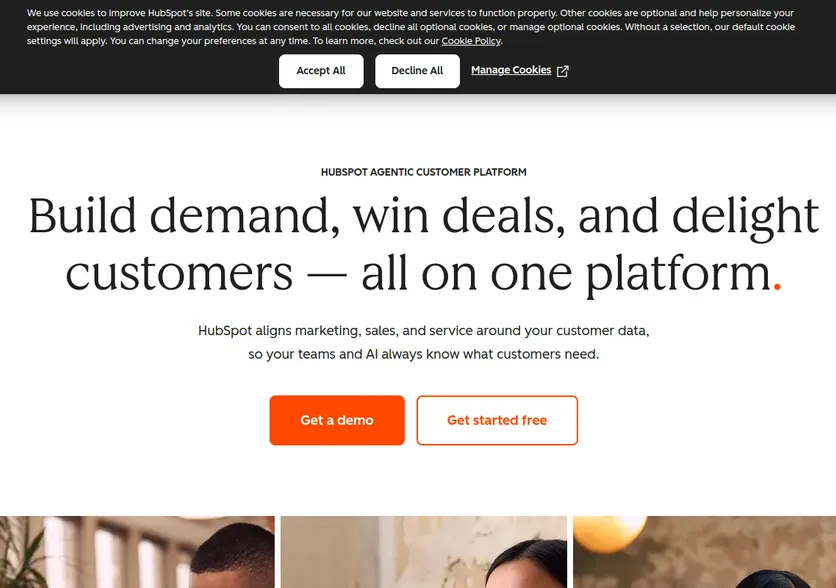
Over a six-month sales cycle, this HubSpot Marketing Hub Starter plan costs fifteen dollars a seat a month billed annually with one thousand marketing contacts, and it keeps every touch on the contact timeline. Workflows trigger the next email from opens, clicks and form fills, and every reply lands on the same contact timeline. Reports show which sequence turns cold leads into meetings, so the team fixes the weak step instead of guessing.
What we like
- Contact timelines show every email open and click in one place
- Workflows trigger follow-ups from real lead behavior
- The free plan covers basic forms and email for small lists
Watch out for
- Lead scoring needs the Professional plan at $800 a month
- Contact limits and seat prices rise quickly as the list grows
How to try it
- Import your lead list and set up the contact properties you track
- Build a workflow that sends the next email when a lead opens or clicks
- Review the contact timeline weekly and move warm leads to sales
2. ActiveCampaign
Best for: Small teams that want behavior-triggered nurture at a low price
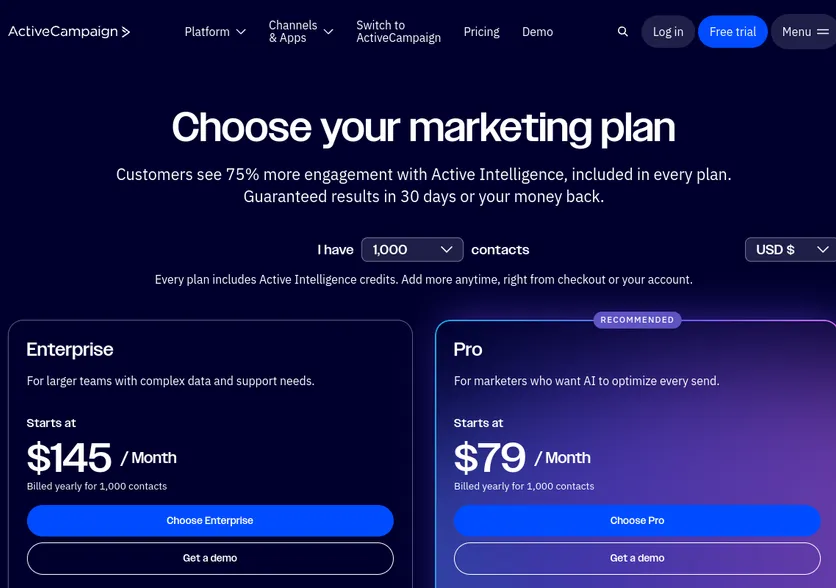
Paid tool Starting price: $15/month · Fifteen dollars a month billed annually on the Starter plan at 1,000 contacts, or nineteen dollars on monthly billing. Lead scoring starts on the Plus plan at forty-nine dollars a month billed annually. No free plan; a fourteen-day trial is available
Free plan: No free plan; 14-day free trial
Across a long buying journey, this ActiveCampaign Starter plan costs fifteen dollars a month billed annually at one thousand contacts, and it keeps the sequence running until the lead is ready. Automations combine email, tags and site tracking in one builder, and deal pipelines sit beside the email tools. Pricing stays low at small contact counts, which suits a team that is just starting to nurture.
What we like
- Automations combine email, tags and site tracking in one builder
- Deal pipelines sit beside the email tools
- Pricing stays low at small contact counts
Watch out for
- Starter caps automations at five actions and one user
- Lead scoring needs the Plus plan
How to try it
- Import contacts and tag them by source, interest and buying stage
- Build an automation that sends a timed email series after each tag
- Set a goal step that hands the contact to sales when they engage
3. Keap
Best for: Small businesses that want campaigns, pipeline and appointments in one tool
Paid tool Starting price: $249/month · Two hundred and forty-nine dollars a month billed annually on the Pro plan with 1,500 contacts and two users, or two hundred and ninety-nine dollars on monthly billing. Lead scoring is on the Max plan at two hundred and eighty-nine dollars a month, and onboarding starts at four hundred and ninety-nine dollars
Free plan: No free plan; 14-day free trial
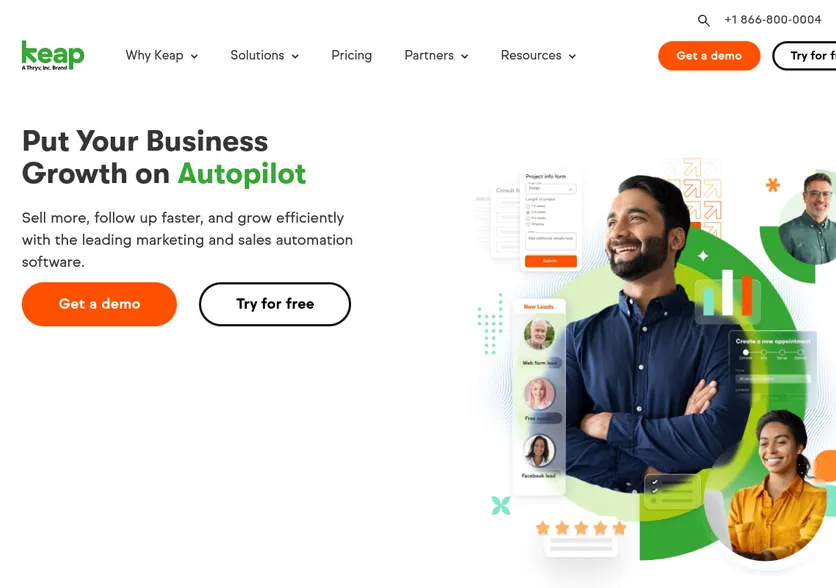
For teams that nurture for months, this Keap Pro plan costs two hundred and forty-nine dollars a month billed annually with one thousand five hundred contacts, and it runs campaigns, pipeline and appointments from one record. Campaigns, pipeline and appointments share one contact record, and text messaging is built in for faster follow-up. Templates cover the common small-business follow-up flows, so a team can launch a nurture campaign in a day.
What we like
- Campaigns, pipeline and appointments share one contact record
- Text messaging is built in for faster follow-up
- Templates cover the common small-business follow-up flows
Watch out for
- Mandatory onboarding starts at $499
- Lead scoring needs the Max plan
How to try it
- Import contacts and set up the pipeline stages your team actually uses
- Build a campaign that follows up automatically after each form fill
- Set an appointment or task when a lead replies
4. Customer.io
Best for: Product teams that nurture from real usage behavior
Paid tool Starting price: $100/month · One hundred dollars a month on the Essentials plan, billed monthly, for 5,000 profiles and one million emails a month. Extra profiles cost nine-tenths of a cent each, and the Premium plan starts at one thousand dollars a month billed annually
Free plan: No free plan; 14-day free trial
For long cycles where usage signals intent, this Customer.io Essentials plan costs one hundred dollars a month for five thousand profiles, and it messages users when an event fires. Workflows trigger from real product behavior, not just email opens, and broadcasts and transactional email share one system. Segmentation handles event history well, though setup needs developer help to send events.
What we like
- Workflows trigger from real product behavior, not just email opens
- Broadcasts and transactional email share one system
- Segmentation handles event history well
Watch out for
- Pricing is built for product teams, not simple newsletters
- Setup needs developer help to send events
How to try it
- Send product and website events into Customer.io from your app
- Build a workflow that messages users when an event fires
- Split the workflow by plan, usage or engagement
5. Zoho Marketing Automation
Best for: Zoho CRM users who want journeys at a low entry price
Paid tool Starting price: $14/month · Fourteen dollars a month billed annually on the Standard plan for 1,000 contacts, or nineteen dollars on monthly billing. Contact scoring is on the Professional plan at twenty-two dollars a month billed annually
Free plan: Free trial available
For long cycles on a Zoho stack, this Zoho Marketing Automation Standard plan costs fourteen dollars a month billed annually for one thousand contacts, and it maps the whole nurture path on one canvas. Journeys map the whole nurture path on one canvas, and leads sync cleanly with Zoho CRM. The entry price is low for a full automation tool, which suits a team moving up from basic email.
What we like
- Journeys map the whole nurture path on one canvas
- Syncs cleanly with Zoho CRM contacts
- Entry price is low for a full automation tool
Watch out for
- Contact scoring needs the Professional plan
- The interface packs in many settings for new users
How to try it
- Sync leads from Zoho CRM or import them by CSV
- Build a journey that emails leads based on opens and clicks
- Hand scored leads to sales when they cross your threshold
6. Brevo
Best for: Teams with big lists that mail lightly and want the lowest price
Paid tool Starting price: $9/month · Nine dollars a month on the Starter plan for 5,000 emails; the price is set by emails sent, not contacts stored, and rises with send volume. Business is eighteen dollars a month and adds automation, A/B testing and landing pages
Free plan: Free plan with 300 emails a day
For long cycles on a tight budget, this Brevo Starter plan costs nine dollars a month for five thousand emails, and it charges by sends rather than contacts stored. Pricing is set by emails sent rather than contacts stored, which suits large lists that mail lightly. Email, SMS and WhatsApp share one platform, and the free plan sends 300 emails a day.
What we like
- Pricing by emails sent suits large, lightly mailed lists
- Email, SMS and WhatsApp share one platform
- The free plan sends 300 emails a day
Watch out for
- Starter has no marketing automation
- Contact scoring sits on the Professional plan at $499 a month
How to try it
- Import contacts and set the monthly send volume you need
- Build an automation that welcomes new leads and follows up
- Add SMS to the sequence for leads who ignore email
7. GetResponse
Best for: Small teams that want webinars beside their nurture emails
Paid tool Starting price: $19/month · Nineteen dollars a month on the Starter plan at 1,000 contacts, or fifteen dollars and fifty-eight cents a month billed annually. The Marketer plan at fifty-nine dollars a month adds unlimited workflows; Starter includes only one automation workflow
Free plan: Free tier for up to 500 contacts
For long cycles that need live sessions, this GetResponse Starter plan costs nineteen dollars a month at one thousand contacts, and it puts webinars and email in one account. Webinars and landing pages sit beside email in one account, and autoresponders are quick to set up. The free tier covers 500 contacts, which is enough to test a nurture sequence.
What we like
- Webinars and landing pages sit beside email in one account
- Autoresponders are quick to set up
- The free tier covers 500 contacts
Watch out for
- Starter includes only one automation workflow
- List prices rise with contact count
How to try it
- Import contacts and create a list for each lead source
- Build a welcome series that runs when someone joins the list
- Add a webinar invite to the sequence for warm leads
8. Drip
Best for: Ecommerce teams that nurture from purchase behavior
Paid tool Starting price: $39/month · Thirty-nine dollars a month for up to 2,500 people on a single plan with unlimited sends; the price rises to eighty-nine dollars at 5,000 people and one hundred and fifty-four dollars at 10,000. There is no annual discount and no free plan
Free plan: No free plan; 14-day free trial
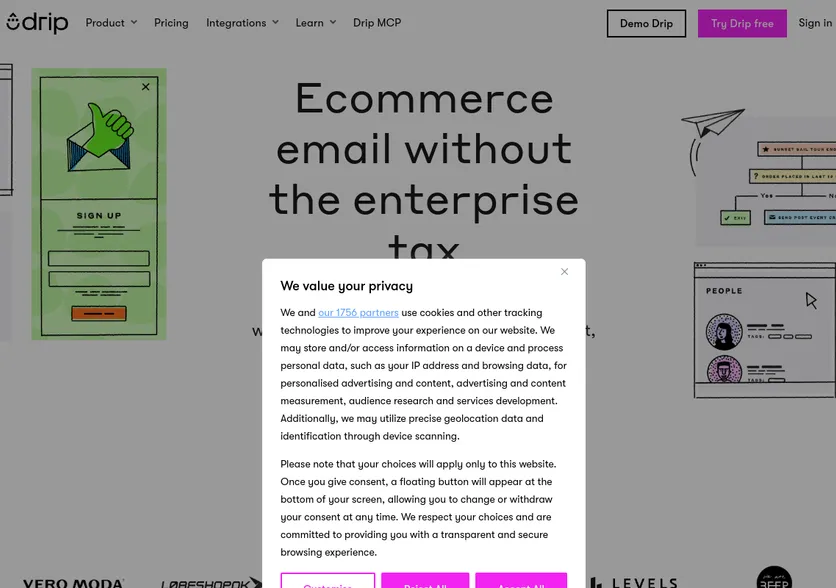
For ecommerce teams with slow repeat cycles, this Drip plan costs thirty-nine dollars a month for up to two thousand five hundred people, and it runs win-back sequences from real order data. One simple plan covers unlimited sends at each tier, and visual workflows are easy to follow. Ecommerce integrations track purchases well, so win-back and post-purchase sequences run from real order data.
What we like
- One simple plan with unlimited sends at each tier
- Visual workflows are easy to follow
- Ecommerce integrations track purchases well
Watch out for
- No free plan, only a fourteen-day trial
- The price jumps at each contact tier
How to try it
- Import contacts and tag them by what they bought or browsed
- Build a workflow that emails new subscribers over the first week
- Send a win-back series to contacts who stop engaging
Prices above were checked on each vendor’s own website on Nov 28, 2026 and can change — the vendor’s page is the final word. Vendor links are editorial: nobody paid to be listed or ranked here. Vendors who want a featured listing can see how it works on our Get listed page.
How to nurture leads across a long sales cycle
Map the cycle before you write a single email. A six-month sale usually has three or four decision points — the first call, the demo, the budget review, the sign-off — and each one deserves its own short sequence rather than one endless drip. Space the touches two or three weeks apart, and make every email useful on its own: a case study, a price guide, a comparison, not another check-in. Watch for the return visit, because a lead who comes back to the pricing page after two quiet months is hotter than a lead who opened every email. When they do return, hand them to sales the same day instead of waiting for the next scheduled send.
Before you buy
- Check that the tool keeps a lead in nurture for months without a hard sequence limit
- Confirm you can pause and restart sequences when a lead goes quiet
- Ask whether website visits and product usage can trigger the next email
- Count the real contact total, since long cycles mean big lists
- Test one full cycle on a trial, from first touch to sales handoff
Official websites
Official websites of the products reviewed above. Features and prices were checked against these sites when this guide was written, and they can change, so confirm on the vendor site before you buy.
Frequently asked questions
How long should you nurture a lead in a long sales cycle?
As long as the buying cycle lasts, which is often six to twelve months for considered purchases. The tools in this list keep a lead in a sequence for months and let you pause and restart when they go quiet. The mistake is stopping after three emails, because most long-cycle buyers only engage after several useful touches spread over weeks.
How often should you email a lead in a long sales cycle?
Every two or three weeks is a good rhythm for most long cycles, with a faster pace right after a demo or a pricing page visit. Weekly emails wear a lead out over six months, while monthly emails let them forget you. Watch the unsubscribe and reply rates: a rising unsubscribe rate means the pace or the content is wrong.
What is the cheapest lead nurturing tool for long sales cycles?
Brevo is cheapest at nine dollars a month for five thousand emails, but its Starter plan has no automation, so a team that needs sequences should budget for Business at eighteen dollars. GetResponse at nineteen dollars and HubSpot Marketing Hub at fifteen dollars a seat billed annually are the cheapest options with real automation included on the entry plan.
When should a nurtured lead go to sales?
When they show a buying signal, not when a timer runs out. A pricing page visit, a demo request, a reply to an email or a return visit after weeks away are all stronger signals than opening five emails. Set the handoff rule in writing, tell both teams what it is, and stop the nurture sequence the moment the lead moves to sales.
Can these tools track website visits as nurture signals?
Most of them can, with limits. HubSpot and Customer.io track site visits and product events and can trigger emails from them, while simpler tools only track email opens and clicks. If website behavior matters to your cycle, check the tracking on the plan you would actually buy, because it is often a higher-tier feature.
Compare the eight tools above, then start with a free trial on the tool that fits your cycle length before you pay for a full year.
Browse Business Tools tools