On this page
A school year is a roadmap already: terms, projects, inspections and events, all with dates and owners. We verified eight tools with published prices, and Trello Standard leads at five dollars a user a month on annual billing, with boards the whole staff can read on day one. The rest run from seven to fifty-nine dollars a user a month, and several offer free plans for up to ten users, so a school can plan properly without spending its budget on software.
How we researched this
We only listed tools with a published dollar price verified in November 2026, which is why the roadmap tools that price by quote are absent. Each tool was judged on how easy it is for teachers and support staff to learn, whether the whole school can join without a licence for each person, and whether the plan reads well for governors, staff and parents. Prices below are headline list prices on annual billing where the vendor offers it.
Compare the tools
| Name | Best for | Starting price | Free plan | |
|---|---|---|---|---|
 Aha! Roadmaps | Serious roadmapping with strategy, ideas and releases in one place | $59/user/month | No free plan; 30-day free trial | Visit |
 Jira Product Discovery | Jira teams that want ideas and discovery in the same ecosystem | $10/creator/month | Free plan for up to 3 creators | Visit |
 Trello Standard | Simple visual roadmaps on cards and boards | $5/user/month | Free plan | Visit |
 Notion Plus | Roadmaps living next to docs, wikis and meeting notes | $10/member/month | Free plan | Visit |
 Smartsheet | Spreadsheet-style tracking of assortments and line plans | $9/member/month | No free plan; 30-day free trial | Visit |
| Fibery | Teams that want a custom workspace shaped around their process | $12/user/month | Free plan for up to 10 users | Visit |
| Hygger | Small teams that want roadmaps on a tight budget | $7/user/month | Free plan with unlimited users and projects | Visit |
| StoriesOnBoard | Story mapping a product before building the roadmap | $9/user/month | No free plan; 14-day free trial | Visit |
The 8 best product roadmap tools for schools
1. Aha! Roadmaps
Best for: Serious roadmapping with strategy, ideas and releases in one place
Paid tool Starting price: $59/user/month · Premium costs fifty-nine dollars a user a month when billed annually, or seventy-four dollars month to month. Enterprise is ninety-nine dollars a user a month on annual billing, and Enterprise Plus is one hundred forty-nine dollars, annual only. Prices rise three percent a year, and Premium charges for every user.
Free plan: No free plan; 30-day free trial
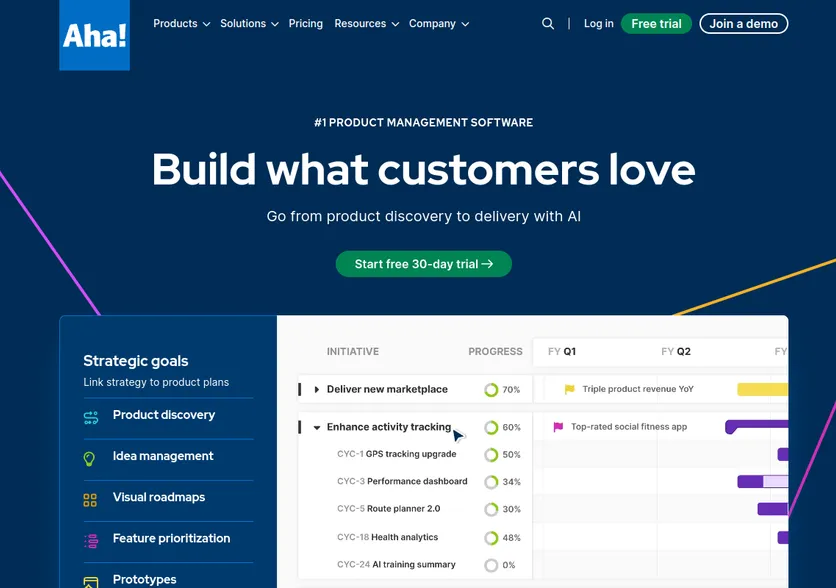
Aha costs fifty-nine dollars a user a month on annual billing, and it is the premium pick for a school that plans its year around a real roadmap. Strategy, ideas and releases sit in one workspace, and the shareable views keep governors, staff and parents in the loop. It suits schools with a dedicated planning lead and a budget to match.
What we like
- Strategy, ideas and roadmaps in one workspace
- Beautiful shareable roadmaps for stakeholders
- Deep reporting on goals and progress
Watch out for
- Premium charges for every user, including viewers
- Prices rise three percent every year
How to try it
- Set up your goals and product strategy
- Score ideas and build your first roadmap
- Share the roadmap link with stakeholders
2. Jira Product Discovery
Best for: Jira teams that want ideas and discovery in the same ecosystem
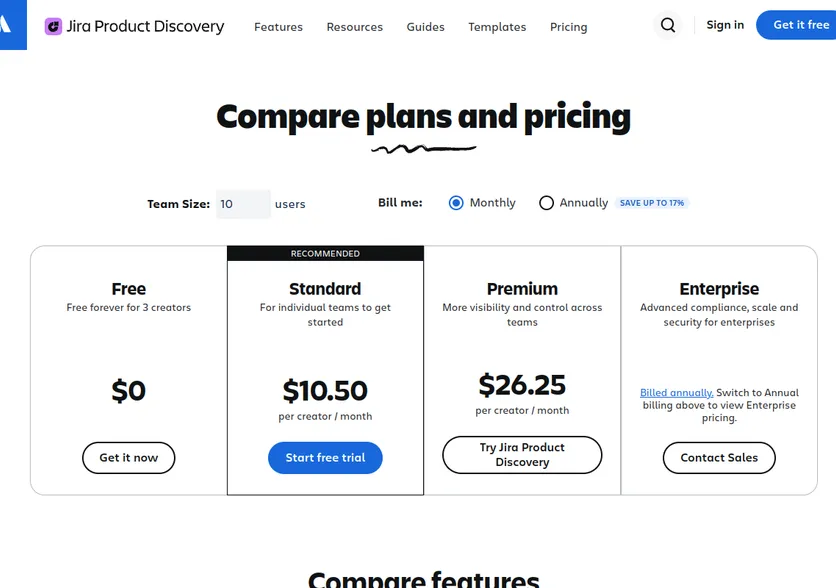
Paid tool Starting price: $10/creator/month · Standard costs ten dollars a creator a month on annual billing, or ten dollars and fifty cents month to month. Premium is twenty-five dollars a creator a month on annual billing. Annual plans are sold in bands from five hundred twenty-five dollars a year for one to five creators. Contributors are free.
Free plan: Free plan for up to 3 creators
Jira Product Discovery charges ten dollars a creator a month on annual billing for Standard, and it is a gentle way for a school to run idea discovery. Teachers and staff suggest improvements, the team scores them, and the best ones become roadmap items linked to delivery work. It suits schools that already use Atlassian tools.
What we like
- Native Jira integration for delivery handoff
- Free plan covers up to three creators
- Contributors and viewers cost nothing
Watch out for
- Annual plans are sold in bands, not per creator
- Needs Jira to get the full value
How to try it
- Create a project and add your product ideas
- Score ideas with custom fields and matrices
- Link top ideas to Jira delivery tickets
3. Trello Standard
Best for: Simple visual roadmaps on cards and boards
Paid tool Starting price: $5/user/month · Standard costs five dollars a user a month when billed annually, or six dollars month to month. Premium is ten dollars a user a month on annual billing. Enterprise is seventeen dollars and fifty cents a user a month, annual only. The free plan covers up to ten collaborators per workspace.
Free plan: Free plan
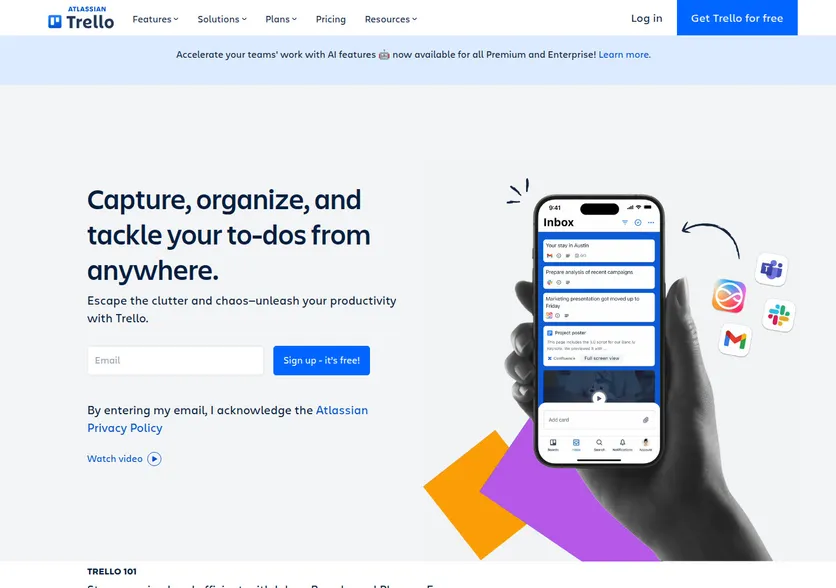
Trello charges five dollars a user a month on annual billing for Standard, and it is the easiest way for a school to keep a roadmap visible. Boards show each term's projects, cards hold the details, and the free plan covers up to ten collaborators. It fits schools that need a shared plan with zero training.
What we like
- Easiest board tool to learn in this list
- Free plan covers up to ten collaborators
- Power-Ups add calendars, timelines and more
Watch out for
- Too simple for complex multi-product roadmaps
- Reporting is basic without paid add-ons
How to try it
- Create a board with lists for each quarter
- Add cards for every feature or initiative
- Move cards as priorities change
4. Notion Plus
Best for: Roadmaps living next to docs, wikis and meeting notes
Paid tool Starting price: $10/member/month · Plus costs ten dollars a member a month when billed annually, or twelve dollars month to month. Business is twenty dollars a member a month on annual billing. Full Notion AI is only included from Business. Some older listings show eight and fifteen dollars, which are stale.
Free plan: Free plan
Notion charges ten dollars a member a month on annual billing for Plus, and it gives a school a roadmap that lives beside lesson plans and policies. Databases, timelines and docs share one workspace, and the free plan covers small teams. It fits schools that want one home for planning and records.

What we like
- Docs, databases and roadmaps in one workspace
- Flexible views: board, timeline, calendar
- Free plan is generous for small teams
Watch out for
- Needs setup to work well as a roadmap tool
- Full AI features need the Business tier
How to try it
- Create a database for your roadmap items
- Add timeline and board views for the same data
- Link roadmap items to specs and meeting notes
5. Smartsheet
Best for: Spreadsheet-style tracking of assortments and line plans
Paid tool Starting price: $9/member/month · Pro costs nine dollars a member a month when billed annually, or twelve dollars month to month. Business is nineteen dollars a member a month on annual billing. Pro caps at ten members and two hundred fifty automations a month.
Free plan: No free plan; 30-day free trial
Smartsheet charges nine dollars a member a month on annual billing for Pro, and it plans a school year in a grid that staff can read without training. Terms, projects and owners sit in rows, with forms for collecting ideas from teachers. It suits schools that want structure without new software habits.

What we like
- Familiar grid layout with real project features
- Forms and automations for collecting product data
- Good for teams that live in spreadsheets
Watch out for
- Pro caps at ten members
- No free plan, only a thirty-day trial
How to try it
- Start from a product launch or line plan template
- Fill in products, dates and owners in the grid
- Share the sheet and set up update requests
6. Fibery
Best for: Teams that want a custom workspace shaped around their process
Paid tool Starting price: $12/user/month · Standard costs twelve dollars a user a month when billed annually. Pro is twenty dollars a user a month, and Enterprise is forty dollars. The vendor page shows the same figures in euros, while vendor-supplied listing data shows them in dollars, so confirm the currency at checkout. The free plan covers up to ten users.
Free plan: Free plan for up to 10 users
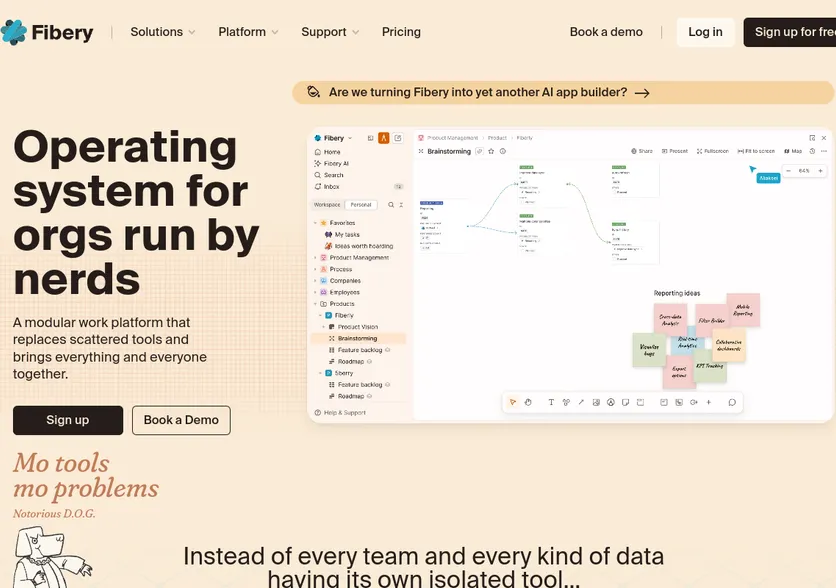
Fibery starts at twelve dollars a user a month on annual billing, and it builds a school roadmap from flexible databases rather than fixed templates. Whiteboards, docs and timelines share one workspace, and the free plan covers up to ten users. It suits schools that want a tool that adapts to them.
What we like
- Flexible databases that adapt to any workflow
- Free plan for up to ten users
- Whiteboards and docs built in
Watch out for
- Vendor page prices in euros, not dollars
- Setup takes longer than opinionated roadmap tools
How to try it
- Create a workspace and add a roadmap app
- Define your own fields and relations
- Build timeline and board views for the team
7. Hygger
Best for: Small teams that want roadmaps on a tight budget
Paid tool Starting price: $7/user/month · Standard costs seven dollars a user a month when billed annually, or nine dollars month to month. Enterprise is fourteen dollars a user a month on annual billing. The free plan covers unlimited users and projects with one hundred megabytes of storage and fifty tasks.
Free plan: Free plan with unlimited users and projects
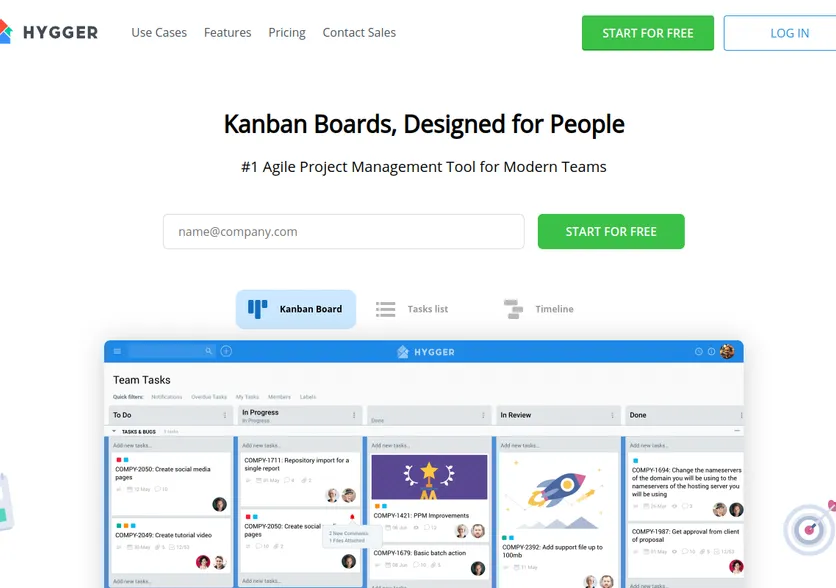
Hygger starts at seven dollars a user a month on annual billing, and it gives a school a proper roadmap tool for less than a streaming subscription. The free plan covers unlimited users and projects, so a whole school can join without a licence for each teacher. It fits schools where the budget is the deciding factor.
What we like
- Lowest paid price in this list
- Free plan with unlimited users and projects
- Kanban, timeline and roadmap views included
Watch out for
- Smaller vendor with fewer integrations
- Free plan caps storage and task counts
How to try it
- Create a project and add your roadmap items
- Score features with the built-in prioritisation
- Share the roadmap link with the team
8. StoriesOnBoard
Best for: Story mapping a product before building the roadmap
Paid tool Starting price: $9/user/month · Story Mapping Basic costs nine dollars a user a month, with the first user at nineteen dollars a month. Standard is twelve dollars a user a month, and Pro is fifteen dollars. The Product Management Platform starts at sixteen dollars a month for Personal. A fourteen-day free trial is included.
Free plan: No free plan; 14-day free trial
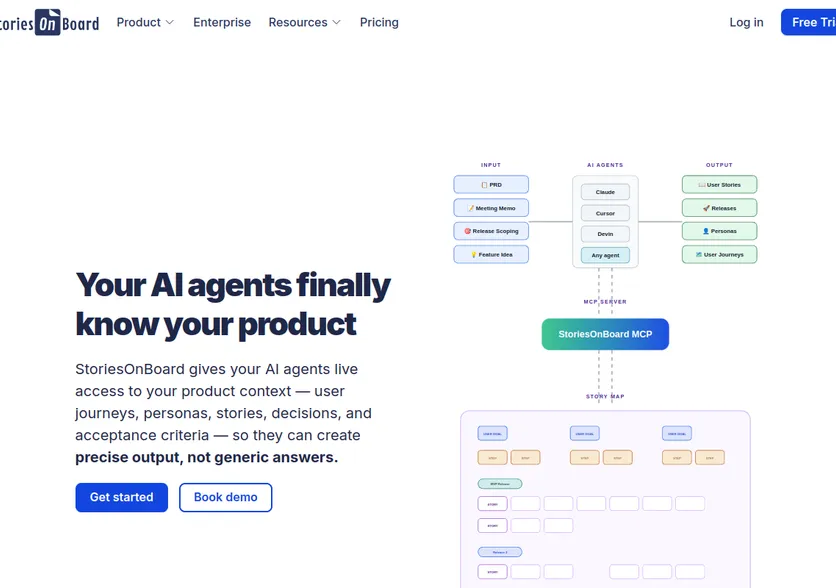
StoriesOnBoard starts at nine dollars a user a month for Basic, and it maps a school improvement plan as a journey before turning it into a roadmap. Stories are grouped into releases, so the plan reads as a sequence of real improvements. It fits schools that plan in stories rather than deadlines.
What we like
- Story maps show the user journey clearly
- Simple pricing with no per-seat surprises on lower tiers
- Good for teams that plan in user stories
Watch out for
- First user costs more than extra users
- No free plan, only a fourteen-day trial
How to try it
- Create a story map for your product
- Break the journey into releases and stories
- Share the map and turn stories into a roadmap
Prices above were checked on each vendor’s own website on Nov 28, 2026 and can change — the vendor’s page is the final word. Vendor links are editorial: nobody paid to be listed or ranked here. Vendors who want a featured listing can see how it works on our Get listed page.
How to pick roadmap software for a school
Start with the free plan, because a school should never pay for planning software before the staff have tried it. Trello, Notion, Fibery and Hygger all offer free tiers that cover a small school or a single department. Check the seat rules next: a tool that charges per teacher gets expensive fast, while one with free contributors or a free plan up to ten users stays affordable. Finally, pick a tool that holds more than the roadmap. A school that keeps lesson plans, policies and meeting notes in the same workspace gets far more value than one that buys a roadmap tool alone.
Before you buy
- Start on the free plan and only pay when the roadmap proves its worth
- Check the seat rules, since per-teacher pricing gets expensive fast
- Choose a tool the whole staff can learn without training sessions
- Pick a tool that also holds lesson plans, policies and meeting notes
- Make sure the roadmap reads well for governors, staff and parents
Official websites
Official websites of the products reviewed above. Features and prices were checked against these sites when this guide was written, and they can change, so confirm on the vendor site before you buy.
Frequently asked questions
Why does a school need roadmap software?
A school runs dozens of projects at once: curriculum changes, inspections, events, building work and staff development. Roadmap software turns that list into a dated plan with owners, so nothing slips and everyone knows what comes next. It also gives governors a clear view of the year, which beats a spreadsheet that only one person updates.
How much does roadmap software cost for a school?
The tools here start at five dollars a user a month for Trello Standard and run to fifty-nine dollars a user a month for Aha Roadmaps Premium. Most of the list sits between seven and twelve dollars a user a month on annual billing. Free plans cover small teams on Trello, Notion, Fibery and Hygger, so a school can often plan for nothing.
Which roadmap tool is best for a school?
Trello is the best overall pick for schools, with boards the whole staff can use for five dollars a user a month. Notion is the best choice when the school also wants lesson plans, policies and meeting notes in the same workspace. Hygger is the best value option at seven dollars a user a month, with a free plan covering unlimited users and projects.
Can the whole school use it without paying for everyone?
Yes, on several tools here. Hygger's free plan covers unlimited users and projects, and Fibery is free for up to ten users. Trello's free plan covers up to ten collaborators per workspace, and Notion offers a generous free plan for small teams. Aha is the exception, charging for every user on Premium, so it suits a school with a dedicated planning lead rather than a whole-school rollout.
Is a simple board enough, or do we need a full roadmap suite?
A simple board is enough for most schools. Trello or Notion will hold a year of projects, and the staff will actually use them. A full suite like Aha earns its price only when the school plans across several sites or needs strategy, scoring and reporting in one place. Start simple, and upgrade only when the board starts to feel cramped.
Pick one of the 8 tools above, put next term on the board on the free plan, and share it with the staff before you pay anything.
Browse Business Tools tools