On this page
An accountant needs software that handles many clients, clean books and tax season without slowing the firm down, and the cheapest option is rarely the one that survives April. The seven tools below run from about fifteen dollars a month to about thirty-eight dollars a month, and every price was checked on the vendor site on November 26, 2026. Most offer a free plan or a free trial, so a firm can test real client books before paying. QuickBooks Online is our first pick — the standard most clients already use, starting at thirty-eight dollars a month.
How we researched this
We started with the accounting tools firms actually run for client books, then read each price on the vendor pricing page on November 26, 2026 and noted the free plan or trial each one carries. We judged them for a firm that juggles many clients, needs clean books at tax time and wants a tool the client can open too. We kept only tools with a published price, and we dropped any tool whose price we could not verify on the vendor site.
Compare the tools
| Name | Best for | Starting price | Free plan | |
|---|---|---|---|---|
 QuickBooks Online | Accounting firms that need the tool most clients already use | $38/month | 30-day free trial, no free plan | Visit |
 Xero | Firms that want clean multi-currency books and simple pricing | $27/month | 30-day free trial, no free plan | Visit |
 FreshBooks | Accountants whose clients bill by the hour and chase late invoices | $23/month | 30-day free trial, no free plan | Visit |
 Zoho Books | Firms that want low cost accounting inside the wider Zoho suite | $15/month | Free plan for revenue under fifty thousand dollars a year | Visit |
 Wave | Small firms and solo accountants who need free core accounting | $19/month | Free accounting and invoicing plan; Pro is nineteen dollars a month | Visit |
 Patriot | Firms that want simple accounting plus payroll from one vendor | $20/month | 30-day free trial, no free plan | Visit |
 Sage Accounting | Firms that want a long-established vendor with strong reporting | $20/month | 30-day free trial, no free plan | Visit |
The accounting software for accountants, compared
1. QuickBooks Online
Best for: Accounting firms that need the tool most clients already use
Paid tool Starting price: $38/month · Simple Start plan, $38 a month; Essentials $85, Plus $140, Advanced $340 a month
Free plan: 30-day free trial, no free plan
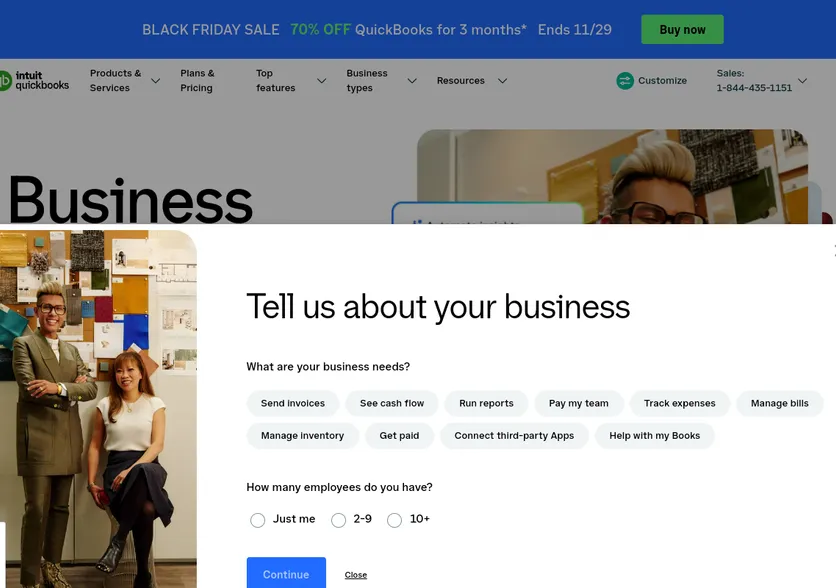
QuickBooks Online is the default ledger for American small business, which is exactly why firms standardize on it. This QuickBooks Online Simple Start plan tracks income and expenses, sends invoices and reconciles bank feeds for a single user. A firm can take on a new client and open books the client already knows how to read.
What we like
- The tool most small business clients already use
- Bank feeds reconcile in minutes, not hours
- Accountant tools for managing many clients
Watch out for
- Simple Start covers one user only
- Higher tiers cost much more per month
How to try it
- Open the QuickBooks pricing page and start the free trial
- Connect a client bank account and reconcile one month of transactions
- Invite the client as a user and set their permissions
2. Xero
Best for: Firms that want clean multi-currency books and simple pricing
Paid tool Starting price: $27/month · Early plan, $27 a month for US customers; Growing $59, Established $97 a month
Free plan: 30-day free trial, no free plan
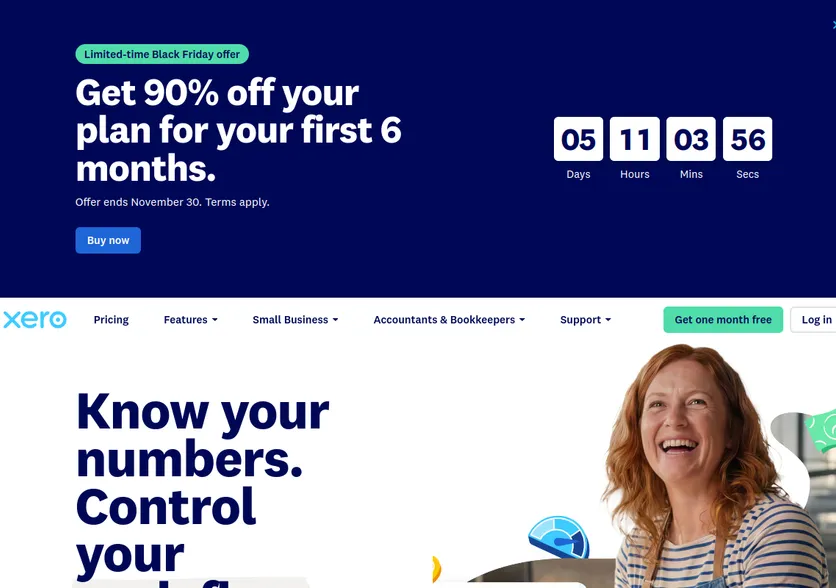
Xero wins firms over with a clean dashboard and pricing that stays simple as the client list grows. This Xero Early plan handles invoicing, bank reconciliation and expense claims for a small practice. A firm that bills clients in more than one currency will feel the difference from the first invoice.
What we like
- Clean dashboard that clients understand fast
- Multi-currency support on every plan
- Strong app marketplace for payroll and reporting
Watch out for
- Early plan caps invoices and bills each month
- Payroll needs a paid add-on in the US
How to try it
- Open the Xero pricing page and start the free trial
- Connect a bank feed and match one week of transactions
- Set up invoicing templates for your first client
3. FreshBooks
Best for: Accountants whose clients bill by the hour and chase late invoices
Paid tool Starting price: $23/month · Lite plan, $23 a month billed monthly; Plus $43, Premium $70 a month; the first-year promo of $1 a month is not the list price
Free plan: 30-day free trial, no free plan
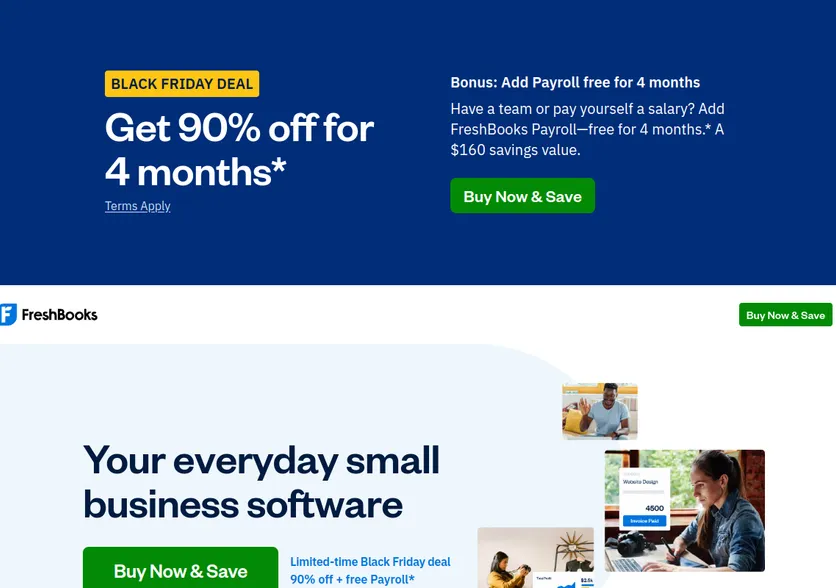
FreshBooks started as an invoicing tool and still feels fastest when a client bills by the hour. This FreshBooks Lite plan sends polished invoices, tracks time and nudges late payers automatically. A firm with freelance and service clients can keep billing tidy without opening a full accounting suite.
What we like
- Invoicing is fast and looks professional
- Time tracking built into every plan
- Late payment reminders run themselves
Watch out for
- Lite plan caps billable clients at five
- Double-entry reports are thinner than QuickBooks
How to try it
- Open the FreshBooks pricing page and start the free trial
- Create an invoice for a real client and send it
- Turn on automatic late payment reminders
4. Zoho Books
Best for: Firms that want low cost accounting inside the wider Zoho suite
Paid tool Starting price: $15/month · Standard plan, $15 a month billed annually or $20 a month billed monthly
Free plan: Free plan for revenue under fifty thousand dollars a year
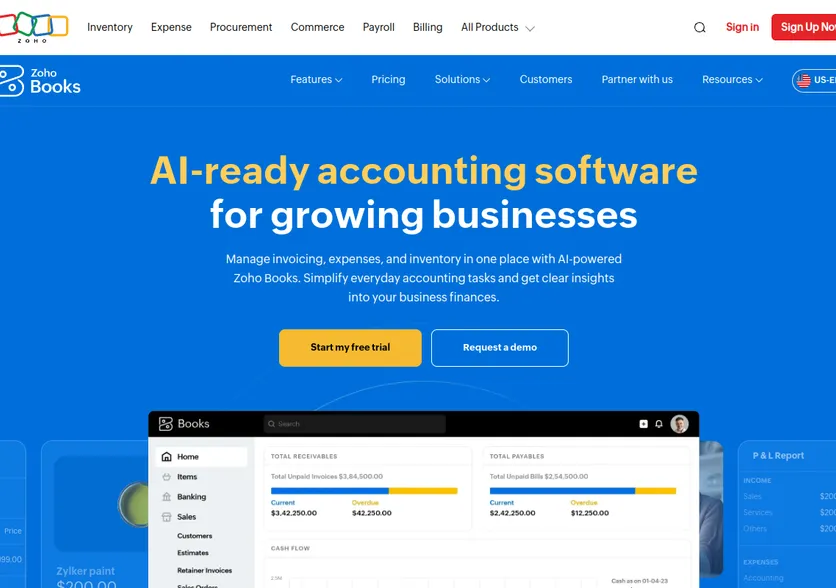
Zoho Books is the budget pick that still behaves like a full accounting system, not a stripped-down app. This Zoho Books Standard plan covers invoicing, expenses, bank feeds and client portals for a small firm. A practice already running Zoho CRM or Zoho Desk gets the shared data without paying for another integration.
What we like
- Lowest starting price on this list
- Free plan for very small businesses
- Shares data with other Zoho apps
Watch out for
- Standard plan caps users at three
- US payroll needs a separate integration
How to try it
- Open the Zoho Books pricing page and start the free trial
- Import a client chart of accounts and test one invoice
- Connect Zoho CRM if your firm already uses it
5. Wave
Best for: Small firms and solo accountants who need free core accounting
Paid tool Starting price: $19/month · Pro plan, $19 a month or $190 a year; core accounting and invoicing stay free
Free plan: Free accounting and invoicing plan; Pro is nineteen dollars a month
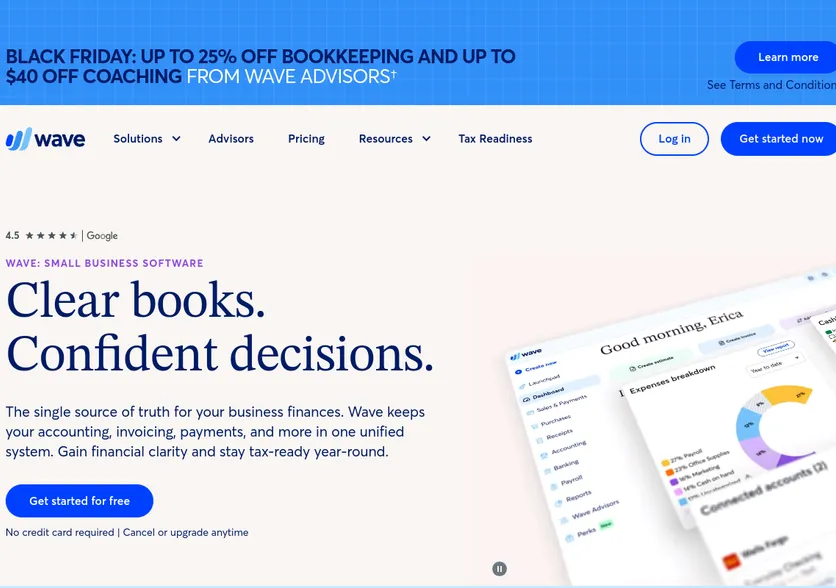
Wave keeps the core books free, which makes it the easiest way for a tiny firm to start charging for accounting work. This Wave Pro plan adds unlimited receipt scanning, faster payouts and dedicated support to the free accounting base. A solo accountant can run several small clients on the free plan and pay only when a client needs the extras.
What we like
- Core accounting and invoicing are free
- No per-user fees on the free plan
- Receipt scanning is unlimited on Pro
Watch out for
- Pro costs nineteen dollars a month per business
- No built-in payroll in most states
How to try it
- Open the Wave pricing page and create a free account
- Connect a client bank account and reconcile the first month
- Upgrade to Pro when a client needs receipt scanning
6. Patriot
Best for: Firms that want simple accounting plus payroll from one vendor
Paid tool Starting price: $20/month · Basic plan, $20 a month; Premium $30 a month; payroll is priced separately, not accounting
Free plan: 30-day free trial, no free plan
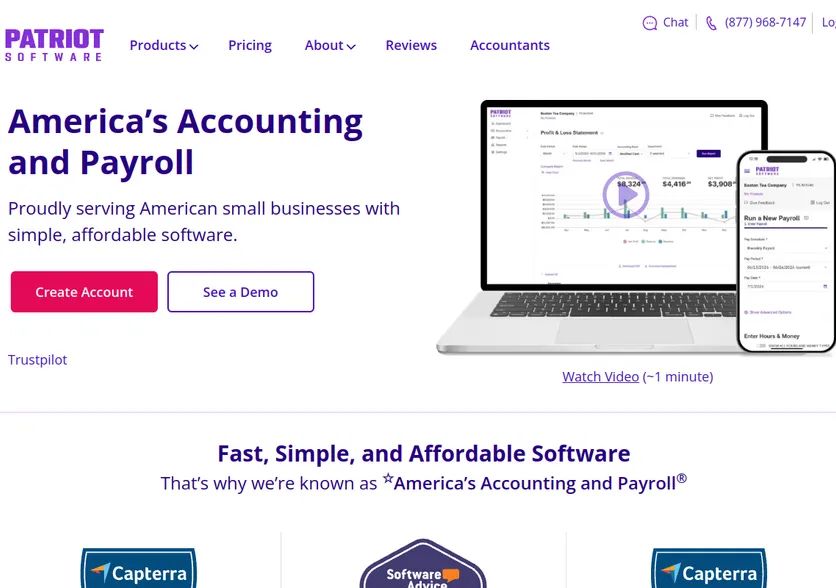
Patriot keeps accounting plain and honest, with a flat price that covers every user on the account. This Patriot Basic plan records income and expenses, sends invoices and tracks vendor bills without a learning curve. A firm that also runs payroll for clients can keep both jobs in one login instead of two.
What we like
- Flat price with unlimited users
- Simple enough for clients to use themselves
- Payroll available from the same vendor
Watch out for
- Basic plan lacks inventory tracking
- Reporting is simpler than QuickBooks or Xero
How to try it
- Open the Patriot pricing page and start the free trial
- Set up a client company and enter one month of bills
- Add payroll for a client that needs it
7. Sage Accounting
Best for: Firms that want a long-established vendor with strong reporting
Paid tool Starting price: $20/month · Start plan, $20 a month; Standard $40, Plus $50 a month; 30-day free trial, no free plan
Free plan: 30-day free trial, no free plan
Sage brings decades of accounting heritage to a cloud plan that suits firms with growing client lists. This Sage Start plan handles invoicing, expenses and bank reconciliation for a small practice. A firm that values deep reports and a vendor that has survived every tax season will find the trade-offs fair.
What we like
- Strong reporting for a low starting price
- Long-established vendor with deep support
- Clean bank reconciliation workflow
Watch out for
- Start plan covers one user only
- No free plan, only a trial
How to try it
- Open the Sage pricing page and start the free trial
- Import a client chart of accounts
- Run a profit and loss report for one client
Prices above were checked on each vendor’s own website on Nov 26, 2026 and can change — the vendor’s page is the final word. Vendor links are editorial: nobody paid to be listed or ranked here. Vendors who want a featured listing can see how it works on our Get listed page.
What accounting software costs in 2026
Most firms pay per client company or per user, so the sticker price is only the start of the budget. This list runs from about fifteen dollars a month for Zoho Books to about thirty-eight dollars a month for QuickBooks Online, and every figure is the list price from the vendor pricing page, checked on November 26, 2026. Promo prices come and go, and the first-year discounts some vendors show are not the price you pay in year two, so budget on the list price.
Start with the free trial on two tools and run one real client through both. Compare how fast bank reconciliation goes, whether the client can read their own reports, and how the invoice looks when it lands in their inbox. The tool your clients open without calling you is the one that saves the firm the most hours.
Before you buy
- Count the client companies first, because some plans charge per business and a firm feels every extra client.
- Check the user limits, because a one-user plan forces an upgrade the moment a second accountant joins.
- Test bank reconciliation on a real client, because a clean feed saves more hours than any feature list.
- Ask whether clients can open their own books, because a tool the client understands cuts support calls.
- Add up payroll and add-ons, because the base price rarely covers everything a firm needs at tax time.
Official websites
Official websites of the products reviewed above. Features and prices were checked against these sites when this guide was written, and they can change, so confirm on the vendor site before you buy.
Frequently asked questions
Which accounting software is best for accountants in 2026?
QuickBooks Online, at thirty-eight dollars a month, is the safest default because most small business clients already use it, so a firm takes on new clients without retraining anyone. Xero, at twenty-seven dollars a month, is better when a firm bills in more than one currency or wants a cleaner dashboard. Zoho Books, at fifteen dollars a month, wins on price for a small practice that needs full books on a tight budget.
What is the cheapest accounting software for accountants?
Zoho Books Standard, at fifteen dollars a month billed annually, is the cheapest paid plan here and includes invoicing, expenses and bank feeds. Wave keeps core accounting free and charges nineteen dollars a month only for the Pro extras like unlimited receipt scanning. Patriot Basic, at twenty dollars a month, covers unlimited users, which makes it cheap per head for a firm with several accountants.
Can accountants try these tools for free?
Most of them, yes. QuickBooks Online, Xero, FreshBooks, Patriot and Sage all offer a thirty-day free trial, so a firm can test real client books before paying. Zoho Books has a free plan for businesses under fifty thousand dollars in annual revenue, and Wave keeps core accounting free with no time limit. Start with a trial on the two tools that fit your client mix best.
Do accountants need QuickBooks Online or Xero?
A firm does not need both, and the choice usually follows the clients. QuickBooks Online fits firms whose clients already run QuickBooks, since the books, payroll and tax tools share one login. Xero fits firms that want a cleaner dashboard, simpler pricing and stronger multi-currency support. Pick the one your clients already use, because switching a client mid-year costs more than any monthly saving.
Which accounting software handles payroll for clients?
Patriot is the simplest route, because accounting and payroll live in one login and the Basic plan covers unlimited users. QuickBooks Online connects to QuickBooks Payroll, which most clients already know, though it adds a separate monthly fee. Xero needs a payroll add-on in the United States, so check the add-on price before promising payroll to a client.
Need everyday finance help too? Try Toolsvine's free finance calculators for small teams right in your browser.
Browse Finance Calculators tools