On this page
A medical clinic runs on appointments, referrals, lab results and stock orders, and when any of those live in a different spreadsheet the day starts to slip. The eight tools below bring that work into one shared workspace, so front desk, nurses and managers see the same deadlines and nobody chases a referral by phone. Asana leads because it is easy enough for the whole clinic to learn, costs ten dollars and ninety-nine cents a user a month, and keeps every task visible in one place.
How we researched this
We checked every price on the vendor pricing page on November 28, 2026, and only included tools with a published US dollar list price. The quote-only platforms, including Kantata, LiquidPlanner, Accelo and Forecast, publish no prices, so they are not in this list. Prices change, so confirm the current figure on the vendor site before you buy.
Compare the tools
| Name | Best for | Starting price | Free plan | |
|---|---|---|---|---|
 Asana | Teams that want a shared view of every deadline | $10.99/user/month | Free plan (up to 2 users) | Visit |
 monday.com | Teams that want a visual, colour-coded workspace | $9/seat/month | Free plan (up to 2 seats) | Visit |
 ClickUp | Teams that want every view in one cheap seat | $9/user/month | Free plan | Visit |
 Trello | Teams that want the simplest Kanban board | $5/user/month | Free plan (10 boards) | Visit |
 Smartsheet | Teams that already think in spreadsheets | $9/user/month | No free plan; 30-day free trial | Visit |
 Teamwork.com | Client-facing teams that bill for their time | $9.99/user/month | Free plan (up to 5 users) | Visit |
 Basecamp | Teams that want one flat bill for everyone | $29/month | Free plan | Visit |
 Zoho Projects | Budget teams that want full tracking for four dollars | $4/user/month | Free plan (up to 3 users) | Visit |
The project management software for medical clinics, compared
1. Asana
Best for: Teams that want a shared view of every deadline
Paid tool Starting price: $10.99/user/month · Ten dollars and ninety-nine cents per user a month billed annually ($13.49 billed monthly); Advanced is $24.99 a user a month billed annually ($30.49 monthly); Personal is free for up to two users
Free plan: Free plan (up to 2 users)
For a clinic coordinating appointments, referrals and stock orders around patient care, this Asana plan costs ten dollars and ninety-nine cents a user a month billed annually, and it keeps every deadline visible in one shared workspace. Timeline and Gantt views, unlimited automations, custom fields and dashboards come with the Starter plan, and unlimited free guests keep outside collaborators off the paid seat count. It suits a clinic that need one shared view of every project without a long setup.

What we like
- Timeline and Gantt views included from the first paid plan
- Unlimited free guests keep clients off the paid seat count
- Unlimited automations and custom fields on Starter
Watch out for
- Seats are sold in blocks, so the bill can jump at thresholds
- Workload and portfolios need the pricier Advanced plan
How to try it
- Create a project and add its tasks with owners and due dates
- Switch to the Timeline view and set dependencies between tasks
- Invite guests free and track progress on the project dashboard
2. monday.com
Best for: Teams that want a visual, colour-coded workspace
Paid tool Starting price: $9/seat/month · Nine dollars per seat a month billed annually ($12 billed monthly) with a three-seat minimum; Standard is $12 a seat a month billed annually ($14 monthly) and Pro is $19 ($24 monthly)
Free plan: Free plan (up to 2 seats)
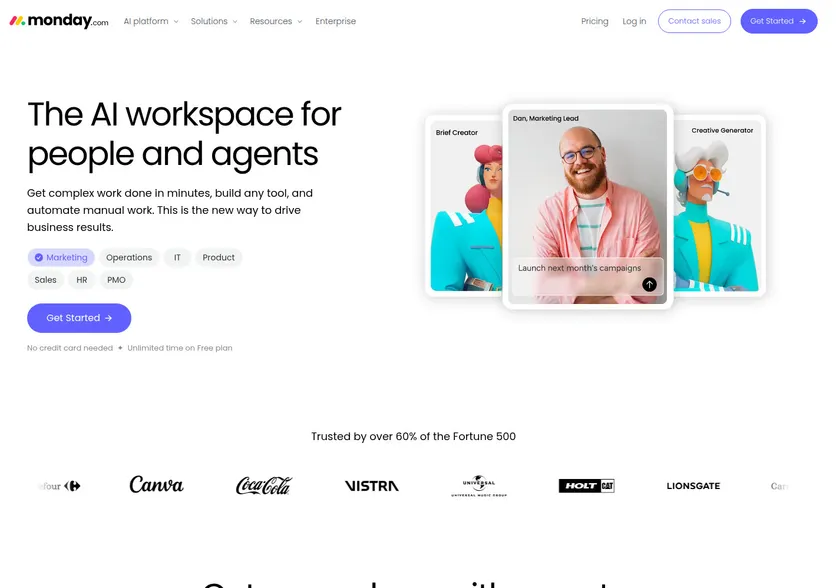
For a clinic coordinating appointments, referrals and stock orders around patient care, this monday.com plan costs nine dollars a seat a month billed annually, and it puts the whole workload on one visual board. Colour-coded boards, timeline and Gantt views, automations and integrations sit on one visual workspace, and the Standard tier adds calendar views and guest access. It suits a clinic that want a visual board the whole team can read at a glance.
What we like
- Visual boards that anyone can read without training
- Automations and integrations from the Standard plan
- Timeline, Gantt and calendar views for planning
Watch out for
- Paid plans start at three seats, so a solo user overpays
- Time tracking and private boards need the Pro plan
How to try it
- Pick a board template and add the columns the work needs
- Add items, owners and due dates, then switch on automations
- Share the board with guests and watch the timeline view
3. ClickUp
Best for: Teams that want every view in one cheap seat
Paid tool Starting price: $9/user/month · Nine dollars per user a month billed annually ($12 billed monthly) on Core; Business is $17 a user a month billed annually; the ladder was rebuilt in October and November 2026
Free plan: Free plan
For a clinic coordinating appointments, referrals and stock orders around patient care, this ClickUp plan costs nine dollars a user a month billed annually, and it packs tasks, docs and goals into a single workspace. Tasks, docs, whiteboards, goals and time tracking share one workspace, with unlimited storage and custom views from the Core plan. It suits a clinic that want every kind of work view in one cheap seat.

What we like
- Fifteen-plus views including Gantt, board and calendar
- Docs, whiteboards and goals in the same workspace
- Core is nine dollars, among the cheapest paid seats here
Watch out for
- So many features that new users can feel lost
- Some views and automations need the Business plan
How to try it
- Create a space and add lists for each project
- Switch views to see the same work as a board or Gantt chart
- Set a goal and link tasks to it for progress tracking
4. Trello
Best for: Teams that want the simplest Kanban board
Paid tool Starting price: $5/user/month · Five dollars per user a month billed annually ($6 billed monthly); Premium is $10 a user a month billed annually ($12.50 monthly) and Enterprise starts at $17.50
Free plan: Free plan (10 boards)
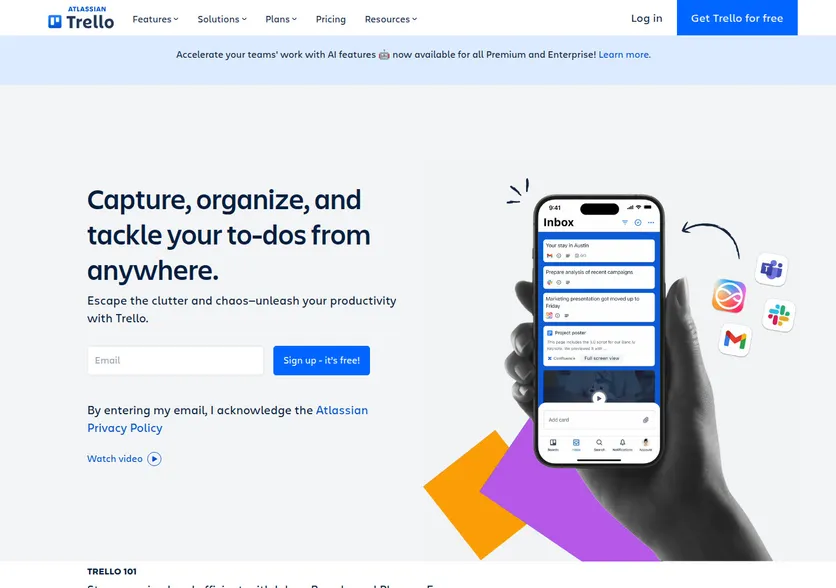
For a clinic coordinating appointments, referrals and stock orders around patient care, this Trello plan costs five dollars a user a month billed annually, and it gives the team a board anyone can use on day one. Boards, lists and cards stay simple enough for anyone to learn in an afternoon, with Butler automation, custom fields and advanced checklists on the Standard plan. It suits a clinic that want the simplest possible board and nothing they have to learn.
What we like
- The easiest board in this list to learn and use
- Butler automation and custom fields from Standard
- Free plan covers ten boards and ten collaborators
Watch out for
- No native time tracking or task dependencies
- Timeline and dashboard views need the Premium plan
How to try it
- Create a board and add lists for each stage of the work
- Add cards with owners, due dates and checklists
- Set up a Butler rule to move finished cards automatically
5. Smartsheet
Best for: Teams that already think in spreadsheets
Paid tool Starting price: $9/user/month · Nine dollars per member a month billed annually ($12 billed monthly) on Pro, capped at ten members; Business is $19 a member a month billed annually ($24 monthly) with a three-member minimum; the free plan was discontinued in 2025
Free plan: No free plan; 30-day free trial
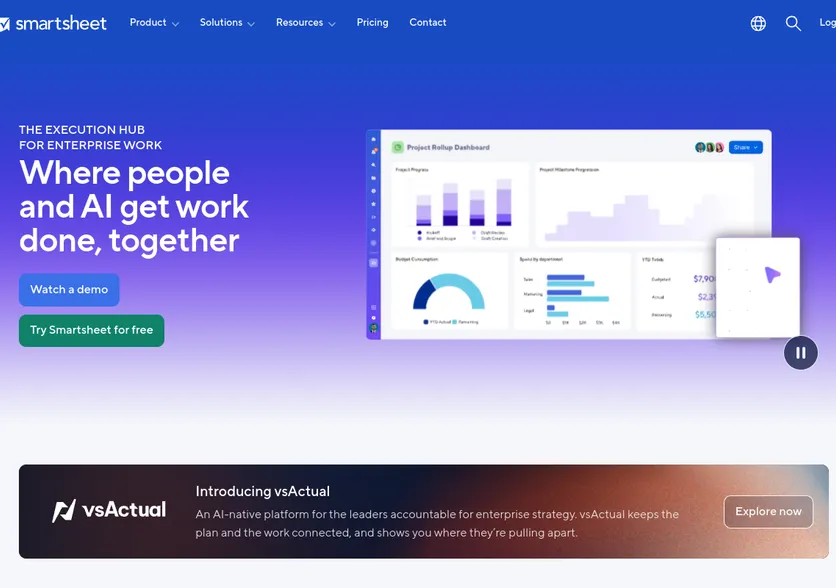
For a clinic coordinating appointments, referrals and stock orders around patient care, this Smartsheet plan costs nine dollars a member a month billed annually, and it turns familiar spreadsheet rows into tracked work. Grid, Gantt, card and calendar views share one sheet-based workspace, with forms, reports and automations built in rather than bolted on. It suits a clinic that already think in spreadsheets and want structure on top.
What we like
- Familiar grid layout with Gantt, card and calendar views
- Forms and reports built into the same workspace
- Unlimited sheets and viewers on the Pro plan
Watch out for
- No free plan, only a thirty-day trial of Business
- Pro caps at ten members, so growing teams must move up
How to try it
- Start a sheet from a template and add columns for owners and dates
- Switch to the Gantt view to see the schedule as a timeline
- Add a form so new requests land straight in the sheet
6. Teamwork.com
Best for: Client-facing teams that bill for their time
Paid tool Starting price: $9.99/user/month · Nine dollars and ninety-nine cents per user a month billed annually on Basics, with a three-seat minimum; Accelerate is twenty-four dollars and ninety-nine cents a user a month billed annually with a five-seat minimum; Optimize and Enterprise are quoted; free plan covers up to five users. Monthly billing costs more — yearly billing saves twenty-nine percent. The older Deliver and Grow tiers are retired.
Free plan: Free plan (up to 5 users)
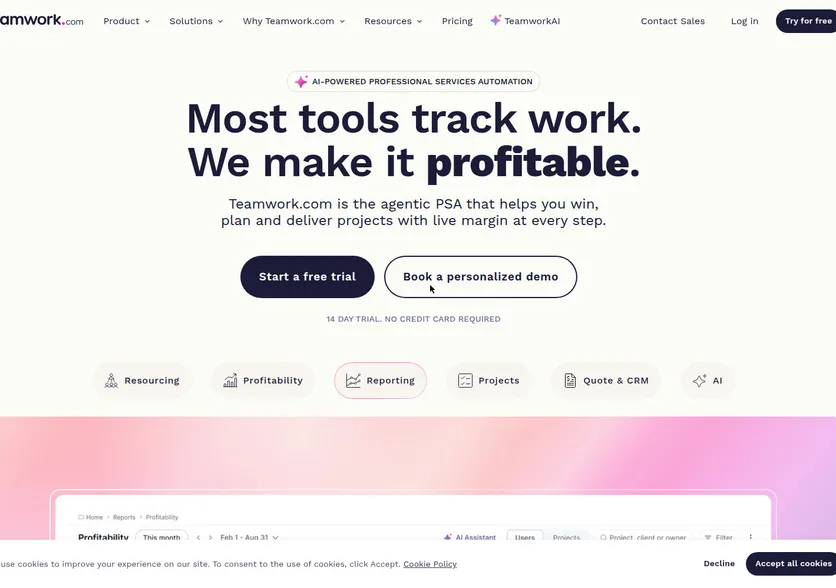
For a clinic coordinating appointments, referrals and stock orders around patient care, this Teamwork.com plan costs nine dollars and ninety-nine cents a user a month billed annually, and it keeps client work, time and billing in one place. Gantt charts, time tracking, project templates and client users come with Deliver, and the workload view keeps billable work visible beside capacity. It suits a clinic that bill clients for their time and need hours beside projects.
What we like
- Time tracking and invoicing built into the project tool
- Free client users can view work without a paid seat
- Gantt charts and project templates from Deliver
Watch out for
- Workload and capacity management need the Grow plan
- Older pricing guides still show retired plan names
How to try it
- Create a project from a template and add its task lists
- Start the timer on a task to log billable time
- Invite the client as a free user to view progress
7. Basecamp
Best for: Teams that want one flat bill for everyone
Paid tool Starting price: $29/month · Twenty-nine dollars a month flat for Freelancer; Pro is $79 a month flat, Pro Plus is $99 a month flat and Pro Unlimited is $199 a month billed annually ($329 billed monthly); only Pro Unlimited has annual billing; the old $15 per user Plus tier was retired around October 2026
Free plan: Free plan
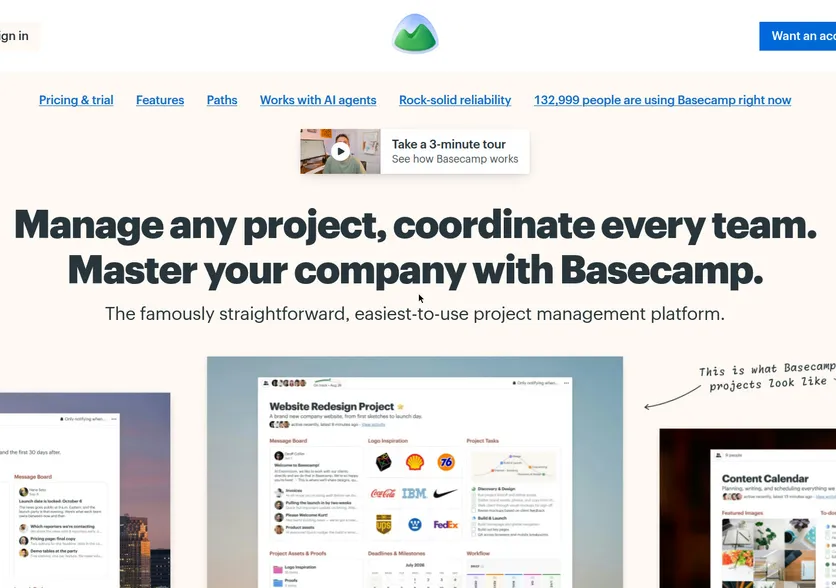
For a clinic coordinating appointments, referrals and stock orders around patient care, this Basecamp plan costs twenty-nine dollars a month flat, and it covers the whole team for one flat monthly fee. Message boards, to-do lists, schedules, documents and group chat live in one flat-priced workspace, with no per-seat maths at all. It suits a clinic that want one flat bill whatever the headcount.
What we like
- One flat monthly fee, no matter how many people join
- Message boards, to-dos, schedules and chat in one place
- Simple enough that the whole team actually uses it
Watch out for
- No Gantt chart or native time tracking
- Reporting is lighter than Asana or Smartsheet
How to try it
- Create a project and add its to-do lists and owners
- Post updates on the message board instead of email
- Check the schedule view for upcoming milestones
8. Zoho Projects
Best for: Budget teams that want full tracking for four dollars
Paid tool Starting price: $4/user/month · Four dollars per user a month billed annually ($5 billed monthly) on Premium; Enterprise is $9 a user a month billed annually ($10 monthly)
Free plan: Free plan (up to 3 users)
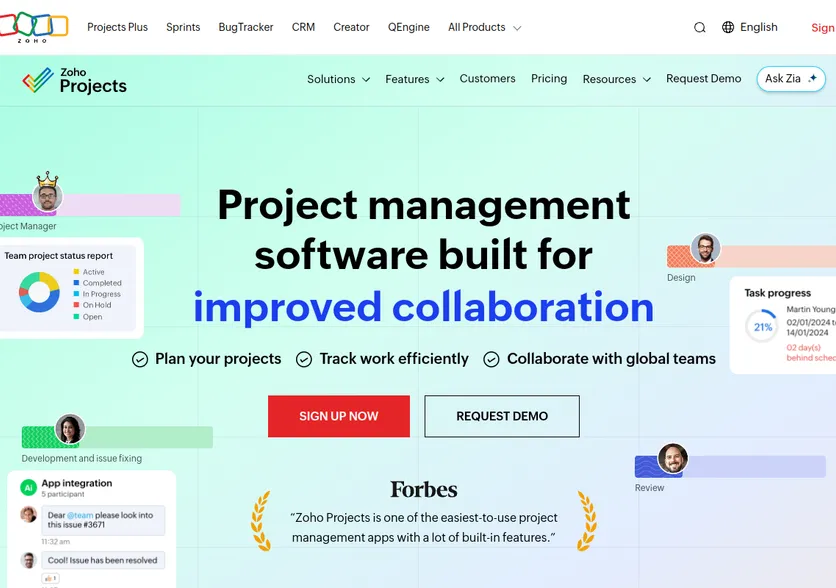
For a clinic coordinating appointments, referrals and stock orders around patient care, this Zoho Projects plan costs four dollars a user a month billed annually, and it delivers full project tracking at the lowest price here. Gantt charts, Kanban boards, time tracking, blueprints and Zoho app integrations come with Premium at the lowest paid price in this list. It suits a clinic that want the cheapest credible paid plan in this list.
What we like
- Four dollars is the joint cheapest paid plan here
- Gantt charts and time tracking included on Premium
- Deep integration with the rest of Zoho
Watch out for
- Free plan caps at three users and two projects
- Interface feels busier than Asana or Trello
How to try it
- Create a project and add milestones and task lists
- Switch to the Gantt view to check the schedule
- Log time on tasks and export a project report
Prices above were checked on each vendor’s own website on Nov 28, 2026 and can change — the vendor’s page is the final word. Vendor links are editorial: nobody paid to be listed or ranked here. Vendors who want a featured listing can see how it works on our Get listed page.
How a clinic keeps appointments, referrals and stock on track
Start with one board for the week ahead, listing every appointment block, referral and stock order with an owner and a due date, so the front desk sees the whole day at a glance. Move referrals through clear stages, from received to booked to completed, and flag any that sit untouched for more than a day. Keep a separate list for stock and equipment, with reorder dates set before anything runs out. Review the board in a short Monday huddle and again on Friday, and archive finished work so the active list stays short enough to trust. Keep the board visible to everyone on the team, and the clinic day runs itself.
Before you buy
- Check that the tool lets the front desk, nurses and managers share one board without extra seats
- Confirm referrals can move through clear stages from received to booked to completed
- Make sure stock and equipment orders carry reorder dates before anything runs out
- Ask whether patient details stay private, with access limited to the staff who need them
- Test the tool with a real week of appointments before paying for the whole clinic
Official websites
Official websites of the products reviewed above. Features and prices were checked against these sites when this guide was written, and they can change, so confirm on the vendor site before you buy.
Frequently asked questions
What is the best project management software for a medical clinic?
Asana leads this list for medical clinics because it is the easiest of the eight to roll out. It costs ten dollars and ninety-nine cents a user a month billed annually, and Advanced is twenty-four dollars and ninety-nine cents a user a month billed annually, so a team can start cheap and move up only when it needs to. A free plan is available too, so a small team can start without paying.
How much does Asana cost?
Asana costs ten dollars and ninety-nine cents a user a month billed annually. Advanced is twenty-four dollars and ninety-nine cents a user a month billed annually. A free plan is available too, so a small team can start without paying. Prices are list prices checked on November 28, 2026, so confirm the current figure on the vendor site before you buy, since vendors change prices without notice.
Is there a free project management tool for medical clinics?
Yes. Asana, monday.com, ClickUp, Trello, Teamwork.com, Basecamp and Zoho Projects all offer free plans, so a clinic can start without paying. The free tiers cap projects or users, so a growing team will outgrow them, but they are genuine free plans rather than trials. The cheapest paid plan in this list is Zoho Projects at four dollars a user a month billed annually, which is the next step when the free tier runs out.
Can project software handle patient referrals?
Yes, if the tool supports staged workflows and custom fields, which Asana, monday.com and Smartsheet all do. Set up stages for received, booked and completed referrals, add a field for the receiving specialist, and flag any referral that sits untouched for more than a day. Never store full clinical notes in a project tool; keep referrals to names, dates and status, and hold the clinical detail in the patient record system.
Which tool is best for a small clinic?
Zoho Projects is the best value for a small clinic, at four dollars a user a month billed annually, with full tracking at four dollars. Asana is the better pick if the team wants timeline views and unlimited automations, since it grows further without a switch. Start on the free plan or trial of either, and move up only when the free limits start to bite.
Compare the eight tools above, then start with a free trial or the free plan on the tool that matches how the clinic already runs its projects before paying for a full year.
Browse Business Tools tools