On this page
Research and development teams juggle experiments, sprints and documentation at once, so the right platform has to handle all three without forcing a choice. The seven tools below range from structured engineering trackers to documentation-led workspaces. Jira leads because it was built around structured, iterative work for nine dollars and seventy cents a user a month, and the rest are ranked on how they fit mixed R&D work.
How we researched this
We checked every price on the vendor pricing page on November 28, 2026, and only included tools with a published US dollar list price. Jira Standard is the monthly list price after the October 2026 rise. Prices change, so confirm the current figure on the vendor site before you buy.
Compare the tools
| Name | Best for | Starting price | Free plan | |
|---|---|---|---|---|
 Jira | R&D teams running sprints, backlogs and release tracking | $9.70/user/month | Free plan (up to 10 users) | Visit |
 Asana | R&D groups coordinating engineering, product and operations | $10.99/user/month | Free plan (Personal, up to 2 users) | Visit |
| monday.com | Mixed R&D programs needing visual status across workstreams | $9/seat/month | Free plan (up to 2 seats) | Visit |
 ClickUp | R&D teams consolidating planning, docs and objectives | $9/user/month | Free plan | Visit |
 Smartsheet | R&D organizations with stage gates and reporting needs | $9/member/month | No free plan; 30-day free trial | Visit |
 Wrike | R&D groups in larger organizations needing delivery control | $9.80/user/month | Free plan (up to 5 users) | Visit |
 Notion | Documentation-led R&D teams keeping notes beside tasks | $10/member/month | Free plan | Visit |
The project management software for research and dev teams, compared
1. Jira
Best for: R&D teams running sprints, backlogs and release tracking
Paid tool Starting price: $9.70/user/month · Nine dollars and seventy cents per user a month on Standard for 1 to 100 users on monthly billing, the list price after the October 13 2026 rise; Premium is $19.60; annual Standard tiers are fixed at $950 a year for up to 10 users and $9,700 a year for up to 100 users; the $8.48 figure in some listings is a derived blended figure, not the list price
Free plan: Free plan (up to 10 users)
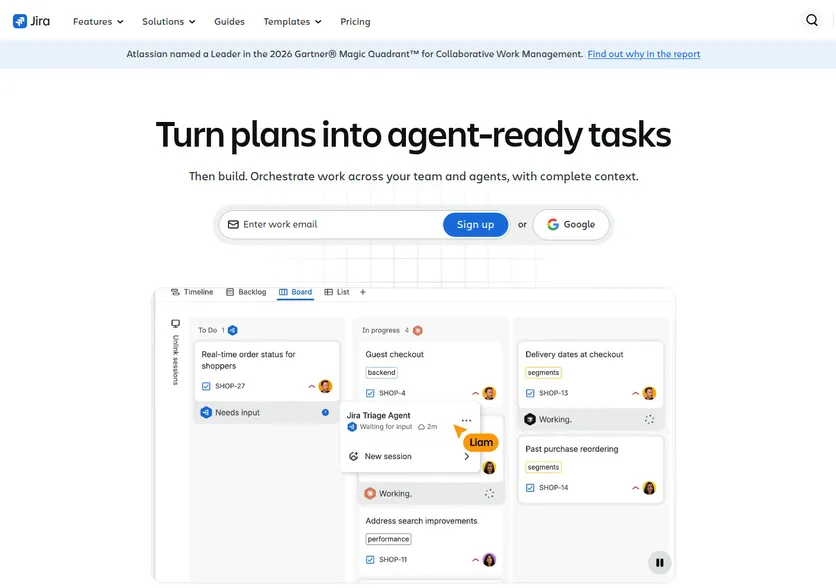
An R&D team running sprints, backlog grooming and release tracking will find its natural home here, since this Jira plan costs nine dollars and seventy cents per user a month on Standard. Structured work items move through defined stages, which suits sprint planning and release tracking, and AI agents help orchestrate planning at scale. It fits engineering-heavy groups that want a single system of record for technical work. The marketplace adds hundreds of apps for time tracking, docs and reporting, so the platform grows with the team.
What we like
- Backlogs, sprints and agile reports are built in, not bolted on
- Custom workflows and fields fit almost any delivery process
- The Atlassian ecosystem adds docs, code and service desk links
Watch out for
- Configuration can grow complicated without an administrator
- Non-technical users can find the interface busy and heavy
How to try it
- Create a project and pick the scrum or kanban template
- Fill the backlog, then drag work into the first sprint
- Run the sprint board and review velocity at the end
2. Asana
Best for: R&D groups coordinating engineering, product and operations
Paid tool Starting price: $10.99/user/month · Ten dollars and ninety-nine cents per user a month billed annually ($13.49 billed monthly); Advanced is $24.99 a user a month billed annually ($30.49 monthly); Enterprise is quoted
Free plan: Free plan (Personal, up to 2 users)
An R&D group that coordinates projects spanning engineering, product and operations will find the approachable option here, because this Asana plan costs ten dollars and ninety-nine cents per user a month billed annually on Starter. Timelines, dashboards and automation keep ownership and deadlines clear across disciplines, and unlimited free guests bring outside collaborators in. It suits teams that want approachable planning without a steep learning curve. Goals and portfolios on the Advanced tier connect daily work to the outcomes the team is measured on.

What we like
- Timeline and Gantt views keep deadlines visible
- Automation rules move routine work without manual chasing
- Unlimited free guests on paid plans for outside collaborators
Watch out for
- Portfolios and workload views need the Advanced tier
- Per-user pricing climbs quickly as the team grows
How to try it
- Create a project from a template that matches the work
- Assign every task an owner and a due date
- Turn on a rule that moves completed work automatically
3. monday.com
Best for: Mixed R&D programs needing visual status across workstreams
Paid tool Starting price: $9/seat/month · Nine dollars per seat a month billed annually on Basic ($12 billed monthly); Standard is $12 a seat a month billed annually ($14 monthly); Pro is $19 ($24 monthly); paid plans start at 3 seats and seats are sold in blocks
Free plan: Free plan (up to 2 seats)
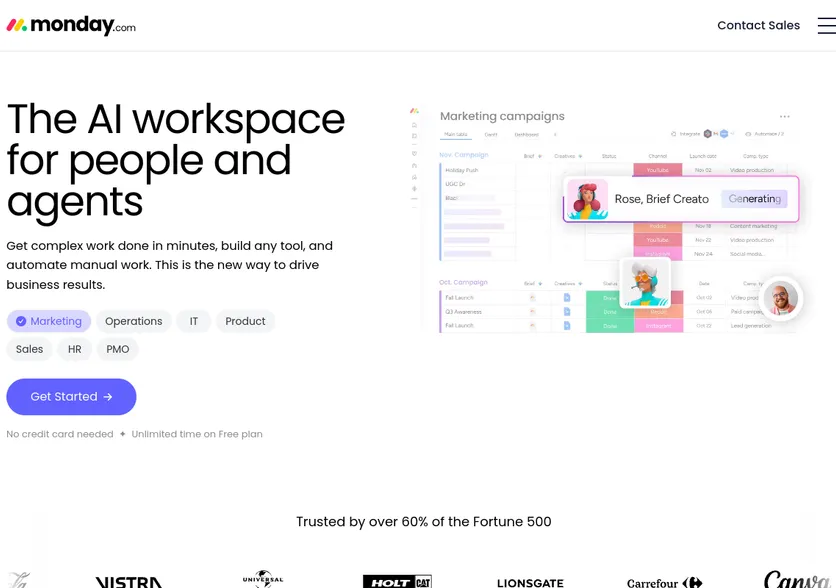
A mixed R&D program that needs status visible across workstreams will find the visual option here, since this Monday plan costs nine dollars per seat a month billed annually on Basic. Its boards adapt to intake, planning and delivery, and AI agents assist with routine execution. It fits teams that value clarity and shared visibility over deep technical configuration. Dashboards roll up status across boards, so a program lead sees every workstream without opening each one.
What we like
- Boards turn any workflow into a visual plan in minutes
- Hundreds of templates shorten setup for common processes
- Automations and integrations cut repetitive admin work
Watch out for
- The 3-seat minimum means a solo user still pays for three seats
- Basic has no timeline view and almost no automations
How to try it
- Pick a template that matches the process to track
- Add status, owner and date columns to the board
- Set one automation that updates status when work moves
4. ClickUp
Best for: R&D teams consolidating planning, docs and objectives
Paid tool Starting price: $9/user/month · Nine dollars per user a month billed annually on Core ($12 billed monthly); Business is $17 a user a month billed annually; Enterprise is quoted; the old $7 Unlimited tier is gone
Free plan: Free plan
An R&D team that wants planning, documentation and objectives in one place rather than across separate subscriptions will find the consolidator here, because this ClickUp plan costs nine dollars per user a month billed annually on Core. Tasks, docs, goals and chat share one workspace with many view options, and the free plan covers unlimited members. It suits groups willing to configure a broad platform to match their process. Native time tracking and whiteboards mean fewer separate apps to buy, which is where the consolidation pays off.

What we like
- Tasks, docs, goals and chat live in one workspace
- List, board, calendar and Gantt views share the same data
- The free plan covers unlimited members with core task features
Watch out for
- Feature breadth can overwhelm a team that wants a simple tracker
- Workspaces drift without regular housekeeping and conventions
How to try it
- Create a Space for the team and add one List per workstream
- Switch the List to the view each role prefers
- Set a goal and link the tasks that feed into it
5. Smartsheet
Best for: R&D organizations with stage gates and reporting needs
Paid tool Starting price: $9/member/month · Nine dollars per member a month billed annually on Pro ($12 billed monthly) for 1 to 10 members; Business is $19 a member a month billed annually ($24 monthly) for 3 or more members; Enterprise and Advanced Work Management are quoted
Free plan: No free plan; 30-day free trial
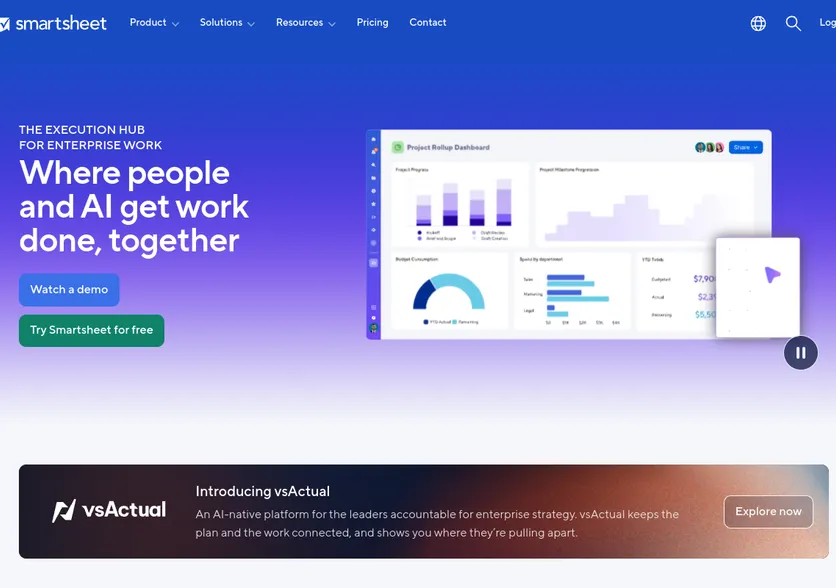
An R&D organization with formal stage gates, resource tracking and reporting requirements will find the governed option here, since this Smartsheet plan costs nine dollars per member a month billed annually on Pro. The grid-based model feels familiar and auditable, and reports and dashboards give the visibility large programs need. It fits teams that need control and traceability across large programs. Proofing and approval flows on Business help research teams sign off on documents before they move forward.
What we like
- Grid sheets feel familiar to anyone who plans in spreadsheets
- Gantt, card and calendar views show the same plan differently
- Forms, reports and dashboards turn sheets into a working system
Watch out for
- There is no permanent free plan, only a 30-day trial
- Pro stops at 10 members, so growing teams must move to Business
How to try it
- Build a sheet with one row per job and columns for owner and date
- Switch the sheet to Gantt view to check dependencies
- Add a report that rolls up status across sheets
6. Wrike
Best for: R&D groups in larger organizations needing delivery control
Paid tool Starting price: $9.80/user/month · Nine dollars and eighty cents per user a month billed annually on Team, shown as ten dollars on the vendor page, for two to twenty-five users; Business is twenty-four dollars and eighty cents a user a month billed annually (shown as twenty-five dollars), for five to two hundred users; Enterprise and Pinnacle are quoted
Free plan: Free plan (up to 5 users)
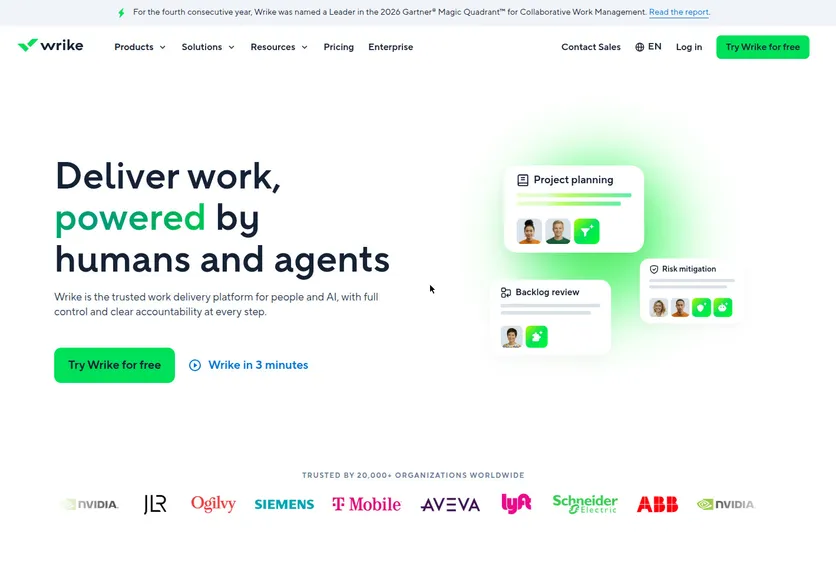
An R&D group inside a larger organization that must standardize intake, approvals and delivery across departments will find the controlled option here, because this Wrike plan costs nine dollars and eighty cents per user a month billed annually on Team. Folders, custom workflows and dashboards keep delivery visible, and request forms turn incoming work into tracked tasks. It fits teams that need process control alongside collaboration.
What we like
- Folders, projects and custom workflows give clear delivery chains
- Request forms turn incoming work into tracked tasks
- Dashboards and approvals suit teams with sign-off steps
Watch out for
- The most useful reporting and automation sit on Business, not Team
- Setup takes deliberate planning before the platform pays off
How to try it
- Create a folder for the department and a project inside it
- Build a custom workflow that matches the approval steps
- Add a request form so new work arrives as tracked tasks
7. Notion
Best for: Documentation-led R&D teams keeping notes beside tasks
Paid tool Starting price: $10/member/month · Ten dollars per member a month billed annually on Plus ($12 billed monthly); Business is $20 a member a month billed annually ($24 monthly) and adds full Notion AI; Enterprise is quoted
Free plan: Free plan
An R&D team whose work is documentation-heavy will find the knowledge-first option here, since this Notion plan costs ten dollars per member a month billed annually on Plus. Experiment notes, specs and task databases sit side by side, and custom agents and cross-app search keep the knowledge base useful. It fits groups whose planning needs are relatively simple and whose work is documentation-led. Relations and rollups turn simple databases into trackers for experiments, specs and decisions without extra tools.

What we like
- Docs, wikis and task databases live in one workspace
- Templates and linked pages build trackers without code
- Guests are not billed, so clients can view pages free
Watch out for
- Task tracking is lighter than on dedicated project platforms
- Without shared conventions, pages and databases multiply fast
How to try it
- Start from a template for the project or tracker needed
- Link the brief, the task list and the meeting notes on one page
- Set a database view that shows what is due this week
Prices above were checked on each vendor’s own website on Nov 28, 2026 and can change — the vendor’s page is the final word. Vendor links are editorial: nobody paid to be listed or ranked here. Vendors who want a featured listing can see how it works on our Get listed page.
How to run R&D work that mixes experiments, sprints and docs
Start from the shape of the work, because iterative engineering, mixed-team coordination and documentation-led research each point at a different tool. Jira suits engineering-heavy teams that live in sprints, Asana and monday.com suit mixed teams that coordinate across disciplines, and Notion suits groups whose work is documentation-led. Check how the tool handles iterative planning and changing requirements, and confirm permission and governance controls for sensitive research data before rolling it out to the whole group. Test the shortlist on one real project for a month, and check how the tool handles a plan change mid-sprint before committing the whole group.
Before you buy
- Check how the tool handles iterative planning and changing requirements
- Verify integrations with code, documentation and reporting systems
- Confirm permission and governance controls for sensitive research data
- Test how documentation and task tracking connect in daily use across the team
- Review onboarding effort and admin workload for the team size
Official websites
Official websites of the products reviewed above. Features and prices were checked against these sites when this guide was written, and they can change, so confirm on the vendor site before you buy.
Frequently asked questions
Which tool is best for engineering-heavy R&D teams?
Jira is the strongest starting point because its structure is built around iterative development work and issue tracking, at nine dollars and seventy cents per user a month on Standard. Teams that also need broad cross-functional planning sometimes pair it with a general work management tool such as Asana or monday.com.
Can a single platform cover documentation and project tracking?
Notion and ClickUp both combine documentation with task tracking in one workspace. Notion costs ten dollars per member a month on Plus and ClickUp nine dollars per user a month on Core. Dedicated project platforms usually integrate with separate documentation tools instead of replacing them, which suits teams with heavy docs needs.
How much does Jira cost for an R&D team?
Jira Standard costs nine dollars and seventy cents per user a month on monthly billing for the first one hundred users, the list price after the October 13 2026 rise. Premium is nineteen dollars and sixty cents. Annual Standard tiers are fixed at nine hundred and fifty dollars a year for up to ten users. The free plan covers up to ten users.
What should larger R&D organizations prioritize?
Governance, visibility and standardized delivery matter most at scale, which is where Smartsheet and Wrike focus. Smartsheet Pro is nine dollars per member a month and Wrike Team is ten dollars per user a month. Confirm that permission controls and reporting meet internal requirements before rollout.
How should a research team choose between these options?
Start with the shape of the work: iterative engineering favors Jira, mixed-team coordination favors Asana or monday.com, and documentation-led research favors Notion. Then check integrations and admin effort against the team capacity, and test the tool on one real project before committing the whole group.
Compare the seven tools above, then start with a free plan on the tool that matches how the R&D team already plans and documents work before paying for a full year.
Browse Business Tools tools