On this page
A red team engagement starts with the right tooling, because the team that finds the flaw first is the one that proves the risk is real. The eight tools below run from thirty-nine dollars a month to about nine thousand dollars a user a year, and every price was checked on the vendor site on November 26, 2026. Two offer free editions and most offer trials, so you can test a tool against a lab target before paying. Burp Suite Professional is our first pick — the web testing standard at four hundred ninety-nine dollars a user a year.
How we researched this
We started with the red team tools professionals actually buy, then read each price on the vendor pricing page on November 26, 2026 and noted the free edition or trial each one carries. We judged them for a tester who needs real exploitation, scanning and reporting without enterprise sales calls. We kept only tools with a published price and dropped any tool whose price we could not verify, including Metasploit Pro and Acunetix, which are quote-only.
Compare the tools
| Name | Best for | Starting price | Free plan | |
|---|---|---|---|---|
 Burp Suite Professional | Testers who map web apps by hand | $499/user/year | Free Community Edition | Visit |
 Nessus Professional | Testers who need a target list before an engagement | $4,790/year | Nessus Essentials free for up to 16 IPs | Visit |
 Cobalt Strike | Teams running professional adversary simulations | $3,540/user/year | No free plan; trial by request | Visit |
 Core Impact | Teams that must show executives a real compromise | $9,450/user/year | No free plan; demo by request | Visit |
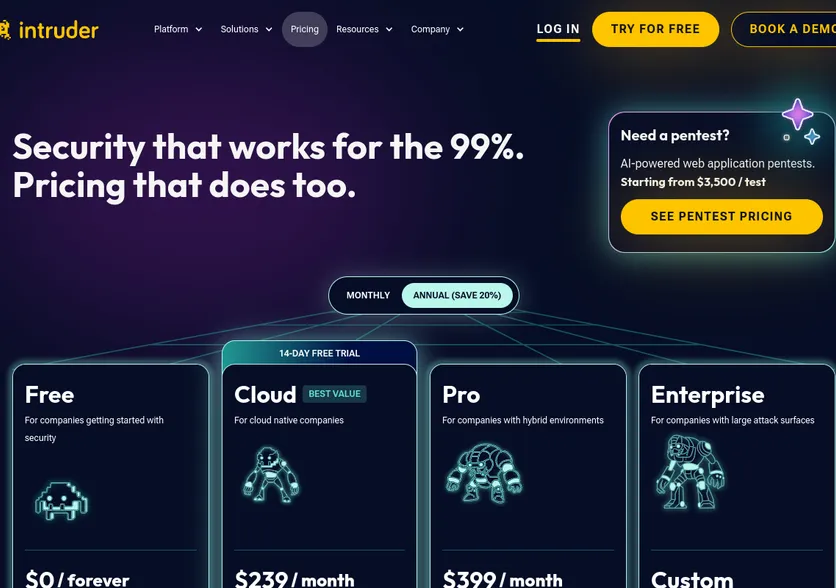
 Intruder | Small teams that want vulnerabilities flagged all year | $239/month | 14-day free trial; no free plan | Visit |
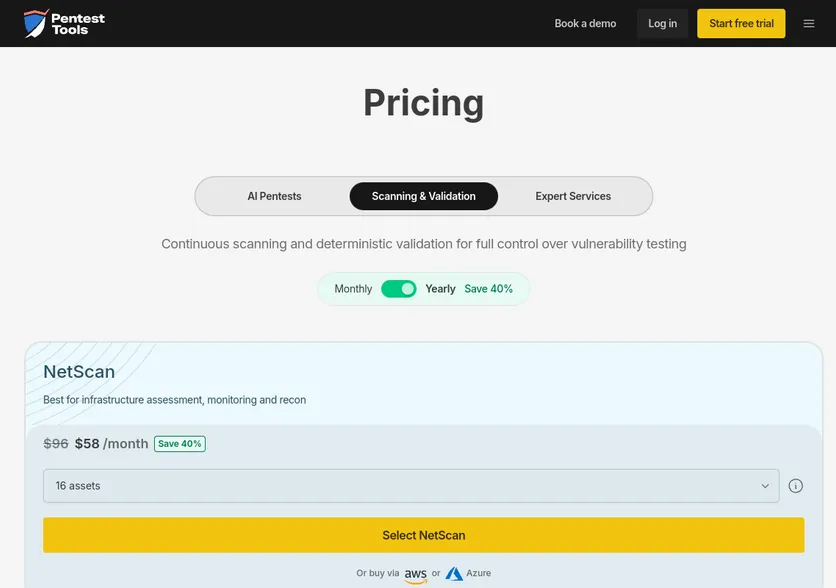
 Pentest-Tools.com | Testers who want a quick external view of a network | $96/month | Free plan with limited scans | Visit |
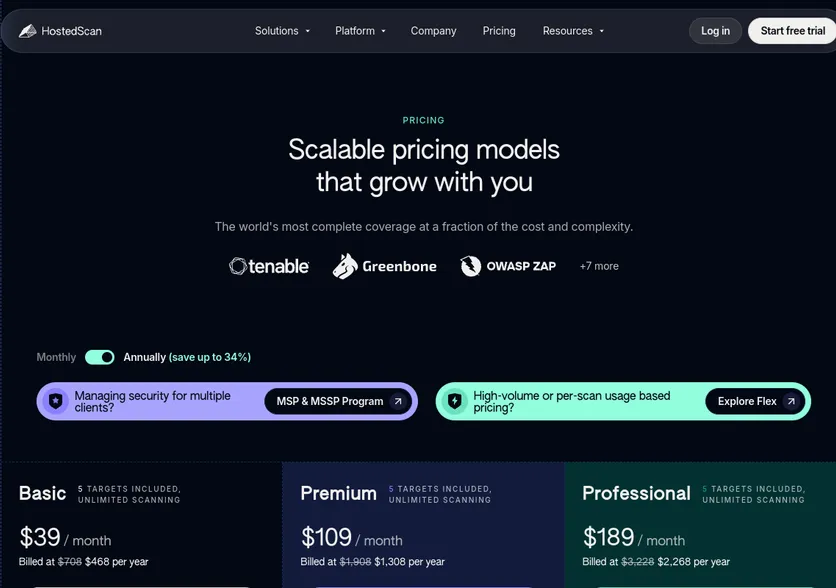
 HostedScan | Freelancers watching a handful of client sites | $39/month | Free trial; no free plan published | Visit |
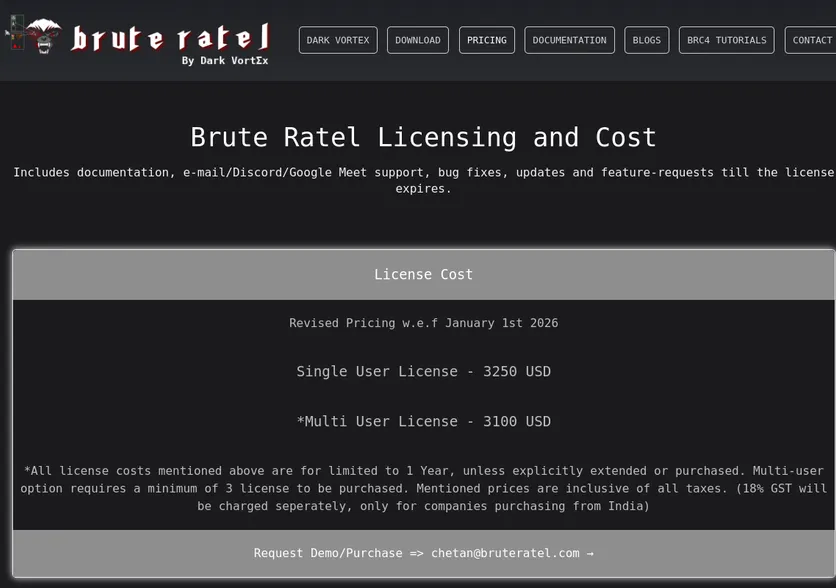
| Brute Ratel C4 | Operators running adversary simulations on a budget | $3,250/user/year | No free plan; trial by request | Visit |
The red team tools, compared
1. Burp Suite Professional
Best for: Testers who map web apps by hand
Paid tool Starting price: $499/user/year · Professional plan, $499 a user a year; raised from $449 effective January 6, 2026
Free plan: Free Community Edition
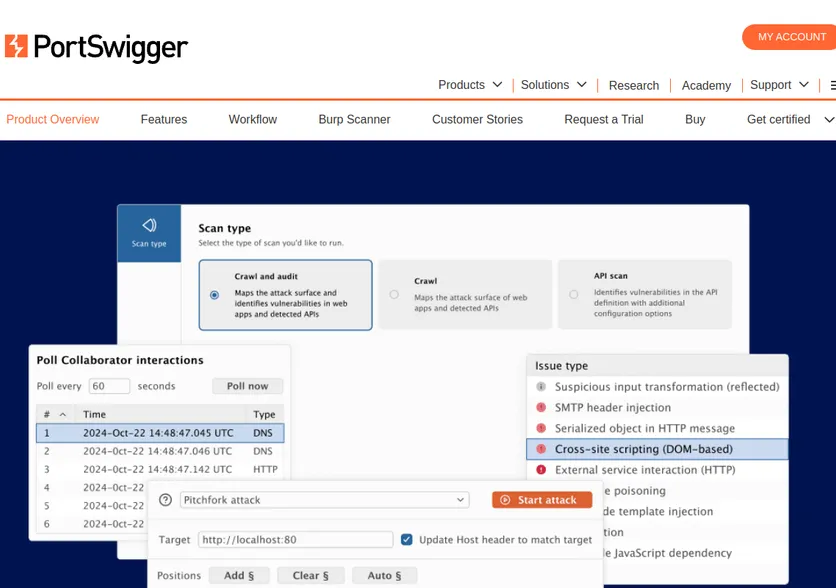
Burp Suite Professional is the web testing tool almost every red teamer learns first, because it sits between the browser and the app and shows every request. This Burp Suite Professional plan adds an active scanner, intruder automation and saved projects to the free Community Edition. A tester who maps a web app by hand can find the flaws a scanner alone would miss.
What we like
- Industry standard for manual web testing
- Active scanner plus intruder automation
- Free Community Edition for learning
Watch out for
- Professional costs about five hundred dollars a year
- Learning curve is steep for beginners
How to try it
- Open the Burp Suite page and download the Community Edition
- Proxy your browser through Burp and map the target app
- Upgrade to Professional for the active scanner and automation
2. Nessus Professional
Best for: Testers who need a target list before an engagement
Paid tool Starting price: $4,790/year · Professional plan, $4,790 a year for a one-year license; Expert is $6,790
Free plan: Nessus Essentials free for up to 16 IPs
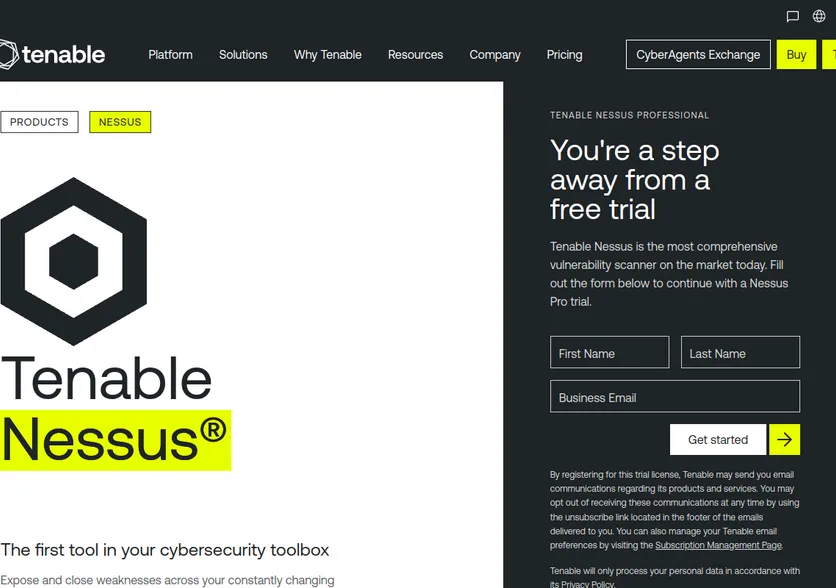
Nessus Professional is the vulnerability scanner teams run before an engagement, because it finds the known weaknesses fast. This Nessus Professional plan scans networks, servers and cloud assets, then ranks each finding by risk. A red teamer who needs a solid target list before testing can start with Nessus and spend the engagement on the hard flaws.
What we like
- Fast scans across networks and cloud assets
- Findings ranked by risk, not just listed
- Free Essentials covers small networks
Watch out for
- Professional costs about forty-eight hundred dollars a year
- Scanner findings still need manual verification
How to try it
- Open the Nessus page and start with Essentials
- Scan the target network and review the ranked findings
- Upgrade to Professional for unlimited IPs and reporting
3. Cobalt Strike
Best for: Teams running professional adversary simulations
Paid tool Starting price: $3,540/user/year · $3,540 a user a year as listed by Fortra, described as the price when bundled with other products; standalone operator pricing runs higher
Free plan: No free plan; trial by request
Cobalt Strike is the adversary simulation platform behind most professional red team engagements, built for post-exploitation and command and control. This Cobalt Strike license gives an operator Beacon payloads, team server collaboration and malleable profiles that shape traffic. A team that must prove an attacker could move through a network will find it is the standard others are judged against.
What we like
- Beacon payloads with team server collaboration
- Malleable profiles shape traffic to blend in
- The standard for professional engagements
Watch out for
- Bundled price is the listed rate, not standalone
- Needs skilled operators to use well
How to try it
- Open the Cobalt Strike site and request a trial
- Set up a team server and build a Beacon payload
- Run the simulation and track the attack path
4. Core Impact
Best for: Teams that must show executives a real compromise
Paid tool Starting price: $9,450/user/year · Basic plan, $9,450 a user a year; Pro is $12,600
Free plan: No free plan; demo by request
Core Impact is the commercial exploitation framework for teams that need tested exploits, not proof-of-concept code. This Core Impact Basic plan runs guided exploits against networks, endpoints and web apps, then reports what an attacker could reach. A red teamer who must show impact to executives can demonstrate a real compromise instead of describing one.
What we like
- Tested exploits, not proof-of-concept code
- Guided workflows for network and web targets
- Reports show real impact to executives
Watch out for
- Basic costs about ninety-five hundred dollars a year
- Priced for teams, not solo testers
How to try it
- Open the Core Impact page and request a demo
- Pick a target and run a guided exploit
- Review the report showing what an attacker could reach
5. Intruder
Best for: Small teams that want vulnerabilities flagged all year
Paid tool Starting price: $239/month · Cloud plan, $239 a month billed annually for 5 infrastructure targets, $2,870 a year; extra targets cost extra
Free plan: 14-day free trial; no free plan
Intruder is the continuous scanner for teams that want new vulnerabilities flagged the week they appear, not at the next annual test. This Intruder Cloud plan scans infrastructure on a schedule, checks for emerging threats and reports what to fix first. A small team that cannot afford a full-time tester can keep watch all year for the price of a few hours of consulting.
What we like
- Continuous scanning catches new flaws fast
- Findings ranked so you fix the worst first
- No annual test needed to stay covered
Watch out for
- Cloud covers five targets, extra targets cost more
- Cloud costs about two hundred thirty-nine dollars a month
How to try it
- Open the Intruder pricing page and start the free trial
- Add your infrastructure targets and set the scan schedule
- Review the ranked findings and fix the top issues first
6. Pentest-Tools.com
Best for: Testers who want a quick external view of a network
Paid tool Starting price: $96/month · NetScan plan, $96 a month for 16 assets; AppScan is $140 and Exploit is $190
Free plan: Free plan with limited scans
Pentest Tools is the browser-based scanner for testers who want to probe a target without installing a heavy toolkit. This Pentest Tools NetScan plan runs network scans, finds open ports and services, and reports the results in a dashboard. A tester who needs a quick external view of a client network can get it from any browser in minutes.
What we like
- Runs in the browser, nothing to install
- Quick external view of any network
- Free plan covers basic scans
Watch out for
- NetScan covers sixteen assets
- Deeper testing needs the higher plans
How to try it
- Open the Pentest Tools pricing page and start the free plan
- Enter the target and run a NetScan
- Review the open ports and services in the dashboard
7. HostedScan
Best for: Freelancers watching a handful of client sites
Paid tool Starting price: $39/month · Basic plan, $39 a month billed annually, $468 a year, for 5 targets; Premium is $109 and Professional is $189
Free plan: Free trial; no free plan published
HostedScan is the budget scanner for small teams that need regular vulnerability checks without enterprise pricing. This HostedScan Basic plan scans five targets on a schedule and sends reports when new issues appear. A freelancer who watches a handful of client sites can keep them checked all year for less than a single penetration test.
What we like
- Cheapest scanner on this list
- Scheduled scans with email reports
- Simple setup for a handful of targets
Watch out for
- Basic covers five targets only
- Scanning depth is lighter than Nessus
How to try it
- Open the HostedScan pricing page and start the free trial
- Add five targets and set the scan schedule
- Read the reports when new issues appear
8. Brute Ratel C4
Best for: Operators running adversary simulations on a budget
Paid tool Starting price: $3,250/user/year · Single-user license, $3,250 a user a year; revised pricing effective January 1, 2026
Free plan: No free plan; trial by request
Brute Ratel C4 is the red team command and control framework for operators who want a modern alternative to older tooling. This Brute Ratel C4 license gives a single operator a team server, payloads and post-exploitation tools in one package. A tester who runs adversary simulations for clients can build a campaign around it without the cost of the biggest platforms.
What we like
- Modern command and control in one package
- Single-operator license keeps costs down
- Post-exploitation tools included
Watch out for
- Single-user license, no team seats included
- Needs skilled operators to use well
How to try it
- Open the Brute Ratel pricing page and request a trial
- Set up the team server and build a payload
- Run the campaign and use the post-exploitation tools
Prices above were checked on each vendor’s own website on Nov 26, 2026 and can change — the vendor’s page is the final word. Vendor links are editorial: nobody paid to be listed or ranked here. Vendors who want a featured listing can see how it works on our Get listed page.
What red team tools cost in 2026
Red team pricing splits into two worlds, and this list covers both. Scanners like HostedScan and Intruder run from thirty-nine to about two hundred thirty-nine dollars a month, while exploitation frameworks like Core Impact and Cobalt Strike run into thousands of dollars a user a year, and every figure is the list price on the vendor site, checked on November 26, 2026. Burp Suite and Nessus offer free editions for learning, while the rest offer trials or demos, so you can test a tool in a lab before committing.
Start with the free editions and one cheap scanner, then buy the framework that matches the engagements you actually sell. The tool that proves impact to a client is the one worth paying for, even when it is not the cheapest on the list.
Before you buy
- Count the targets first, because scanners charge by target and a plan that covers five hosts costs more once you add the rest.
- Check the license model, because some tools charge per user a year while others charge per month.
- Test in a lab first, because a red team tool that cannot run against your test targets is a wasted license.
- Ask whether the tool covers your scope, because web testing, network scanning and exploitation are different jobs.
- Add up the reporting value, because a tool that produces a client-ready report saves a day of writing.
Official websites
Official websites of the products reviewed above. Features and prices were checked against these sites when this guide was written, and they can change, so confirm on the vendor site before you buy.
Frequently asked questions
Which red team tool is best in 2026?
Burp Suite Professional, at four hundred ninety-nine dollars a user a year, is the safest default because it is the standard for manual web testing and every tester learns it. Nessus Professional is better when you need a vulnerability list before an engagement. Cobalt Strike wins for full adversary simulation, where command and control matter most.
What is the cheapest red team tool?
HostedScan Basic, at thirty-nine dollars a month billed annually, is the cheapest paid plan here and covers five targets with scheduled scans. Pentest Tools NetScan, at ninety-six dollars a month, is the cheapest browser-based scanner. Burp Suite and Nessus both offer free editions, so a tester can start at no cost.
Can I use red team tools for free?
Yes, on two of these eight tools. Burp Suite offers a free Community Edition for manual web testing, and Nessus offers Essentials free for up to sixteen IPs. Pentest Tools offers a free plan with limited scans. The rest offer trials or demos, so you can test a tool in a lab before paying.
What is the difference between a scanner and an exploitation framework?
A scanner finds known weaknesses by probing a target and ranking the results, which is what Nessus, Intruder and HostedScan do. An exploitation framework goes further and runs tested exploits to prove an attacker could get in, which is what Cobalt Strike, Core Impact and Brute Ratel do. Most engagements need both, in that order.
Do red team tools need a lab to test safely?
Yes, always test in a lab or against targets you own and have written permission to test. Never point a scanner or an exploit at a production system without a signed scope, because an active scan can take a service down and an exploit can damage data. A lab target lets you learn the tool safely and prove the workflow before a paid engagement.
Need everyday security help too? Try Toolsvine's free security tools right in your browser.
Browse Security & Privacy tools