On this page
A small team cannot afford work that falls through the cracks, because there is nobody else to catch it. The eight tools below keep tasks, owners and deadlines visible for teams of two to twenty, without the overhead of an enterprise system. ClickUp leads because it packs tasks, docs and goals into one workspace for nine dollars per user a month, and the rest are ranked on how much structure they add for the price.
How we researched this
We checked every price on the vendor pricing page on November 29, 2026, and only included tools with a published US dollar list price. The enterprise platforms that sell workflow management by quote publish no prices, so they are not in this list. Prices change, so confirm the current figure on the vendor site before you buy.
Compare the tools
| Name | Best for | Starting price | Free plan | |
|---|---|---|---|---|
 monday.com | Small teams that want one board for everything | $9/user/month | Free plan (up to 2 seats) | Visit |
 Asana | Small teams that need structure without heavy setup | $10.99/user/month | Free Personal plan (up to 2 users) | Visit |
 ClickUp | Small teams that want one app instead of five | $9/user/month | Free plan (unlimited tasks) | Visit |
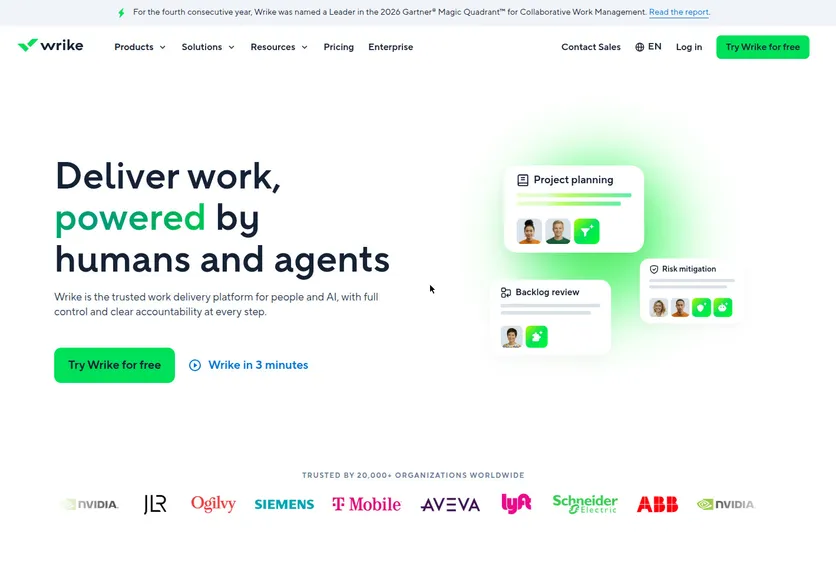
 Wrike | Small teams with review-heavy work | $9.80/user/month | Free plan (unlimited users) | Visit |
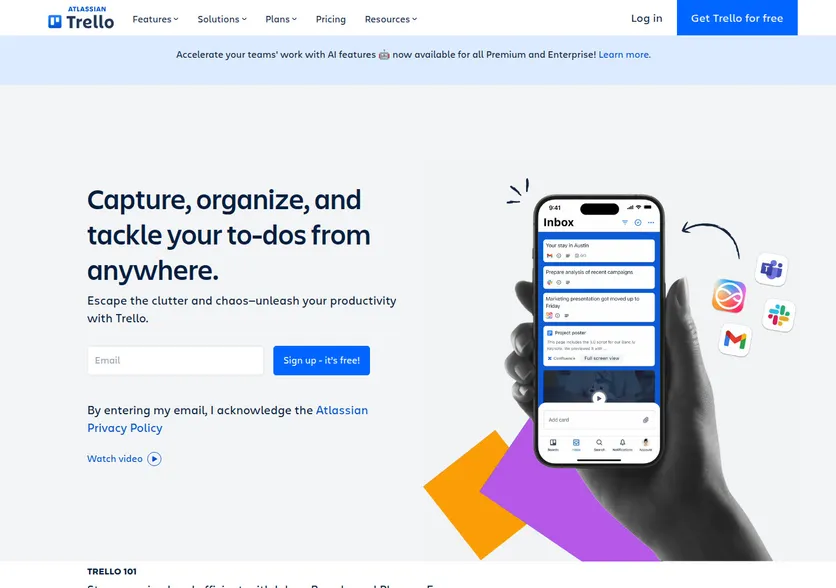
 Trello | Small teams that want the simplest system | $5/user/month | Free plan (up to 10 boards) | Visit |
 Notion | Small teams that plan in docs and databases | $10/user/month | Free plan (unlimited pages) | Visit |
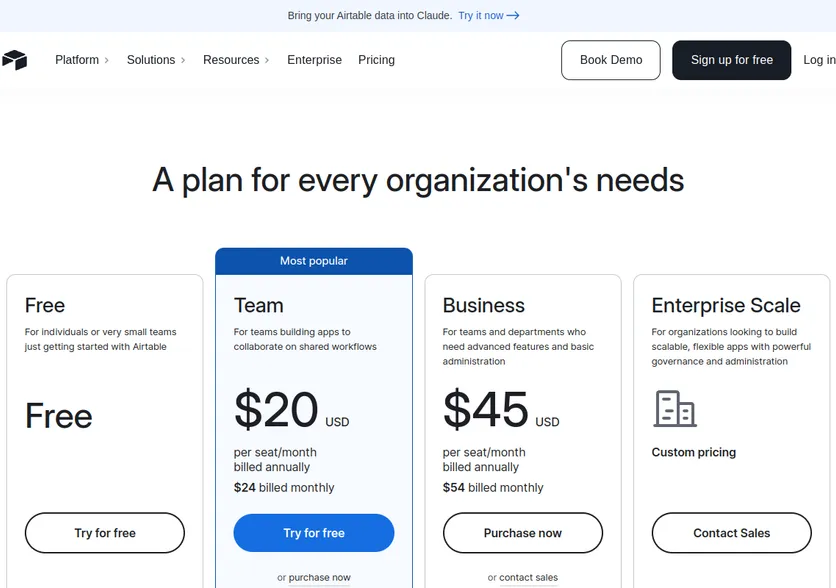
 Airtable | Small teams that think in tables | $20/user/month | Free plan (1,000 records per base) | Visit |
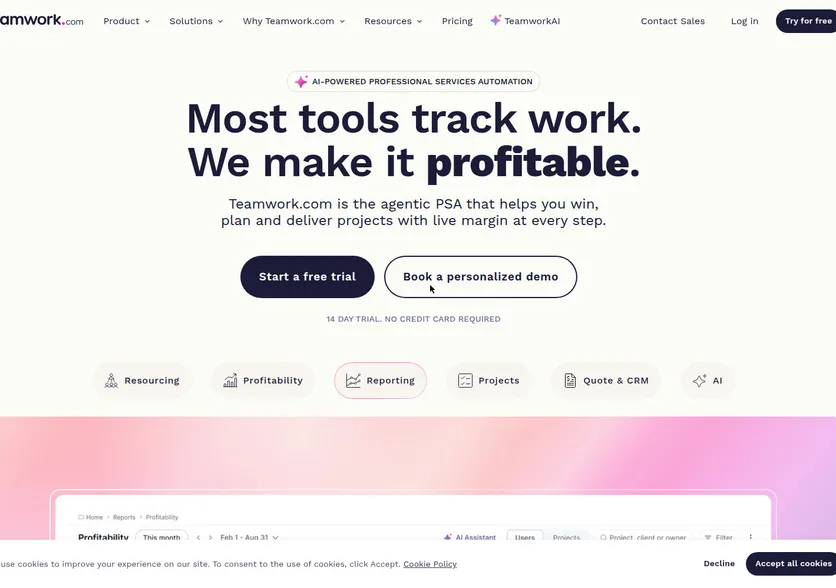
 Teamwork | Small teams that bill clients by the hour | $9.99/user/month | Free plan (up to 5 users) | Visit |
The workflow management software for small teams, compared
1. monday.com
Best for: Small teams that want one board for everything
Paid tool Starting price: $9/user/month · Nine dollars per user a month billed annually on Basic ($12 month to month); Standard is $12 and Pro is $19; a three-seat minimum applies and one outlier lists Standard at $14 and Pro at $22
Free plan: Free plan (up to 2 seats)
Small teams that want one board for everything will like this monday.com plan, which costs nine dollars per user a month billed annually and keeps tasks, dates and owners visible at a glance. Its templates cover the workflows a small team actually runs, from onboarding to weekly planning. Automations handle the nagging, like reminding an owner when a due date approaches.

What we like
- Boards, timelines and dashboards are easy to read at a glance
- Two hundred plus templates cover most team workflows
- Automations and integrations work without code
Watch out for
- Paid plans have a three-seat minimum, so a solo user pays for three
- Seats come in fixed bundles, which can push the bill up
How to try it
- Pick a board template that matches the workflow
- Add the columns, owners and due dates the team needs
- Turn on automations for status changes and reminders
2. Asana
Best for: Small teams that need structure without heavy setup
Paid tool Starting price: $10.99/user/month · Ten dollars and ninety-nine cents per user a month billed annually on Starter ($13.49 month to month); Advanced is $24.99 a user a month billed annually
Free plan: Free Personal plan (up to 2 users)
A small team that needs structure without a heavy setup will get the most from this Asana plan, which costs ten dollars and ninety-nine cents per user a month billed annually and turns projects into clear lists with owners and dates. Rules automate the routine handoffs, so work moves forward even when nobody is watching it. The free Personal plan covers up to two users, which suits a pair getting started.

What we like
- Timeline, board and list views suit different working styles
- Rules automate handoffs, approvals and due-date changes
- Strong goal tracking ties work to team objectives
Watch out for
- Starter has a two-seat minimum, so solo buyers pay double
- Advanced reporting needs the dearer Advanced tier
How to try it
- Create a project and choose the board or timeline view
- Add tasks, owners and dependencies for each step
- Set up rules to move work forward automatically
3. ClickUp
Best for: Small teams that want one app instead of five
Paid tool Starting price: $9/user/month · Nine dollars per user a month billed annually on Core ($12 month to month); Business is $17 a user a month billed annually
Free plan: Free plan (unlimited tasks)
For a small team that wants one app instead of five, this ClickUp plan costs nine dollars per user a month billed annually and combines tasks, docs, goals and whiteboards. Its automations move work between stages and send reminders as statuses change, so nothing stalls quietly. The free plan is generous enough that many small teams never need to pay at all.

What we like
- Tasks, docs, whiteboards and goals in one workspace
- Automations with fifty-plus actions on paid plans
- Generous free plan for small teams getting started
Watch out for
- The feature list is so wide that setup can take a while
- Some advanced automations need the Business tier
How to try it
- Create a Space and add the Lists the team needs
- Set up statuses, assignees and due dates for each workflow
- Add automations for handoffs and reminders
4. Wrike
Best for: Small teams with review-heavy work
Paid tool Starting price: $9.80/user/month · Nine dollars and eighty cents per user a month billed annually on Team; Business is $24.80 a user a month billed annually
Free plan: Free plan (unlimited users)
Small teams with review-heavy work will like this Wrike plan, which costs nine dollars and eighty cents per user a month billed annually and builds approvals into the workflow. Proofing keeps feedback on the asset itself, so revisions do not scatter across email threads. Dashboards roll up the whole team's work, which helps a small team see the week ahead.
What we like
- Gantt charts, workloads and request forms in one place
- Proofing and approvals built for review-heavy teams
- Dashboards roll up work across many projects
Watch out for
- The interface has a learning curve for new users
- Some reporting features sit on the higher tiers
How to try it
- Create a project from a template or from scratch
- Add tasks, owners and dependencies on the Gantt chart
- Set up dashboards to track progress across the team
5. Trello
Best for: Small teams that want the simplest system
Paid tool Starting price: $5/user/month · Five dollars per user a month billed annually on Standard ($6 month to month); Premium is $10 and Enterprise is $17.50 a user a month on annual billing only
Free plan: Free plan (up to 10 boards)
A small team that wants the simplest possible system should start with this Trello plan, which costs five dollars per user a month billed annually and tracks work on boards anyone can learn in a day. Cards carry owners, due dates and checklists, and Butler rules move them between lists automatically. The free plan covers up to ten boards and collaborators, which is often enough for a whole small team.
What we like
- Boards are the simplest way to track work through stages
- Power-Ups add calendars, automation and integrations
- Free plan covers up to ten collaborators and boards
Watch out for
- Big workflows outgrow boards without careful organisation
- Butler automation limits apply on the cheaper plans
How to try it
- Create a board and add lists for each workflow stage
- Add cards with owners, due dates and checklists
- Turn on Butler rules to move cards automatically
6. Notion
Best for: Small teams that plan in docs and databases
Paid tool Starting price: $10/user/month · Ten dollars per user a month billed annually on Plus ($12 month to month); Business is $20 a user a month billed annually
Free plan: Free plan (unlimited pages)
Small teams that plan in docs and databases will like this Notion plan, which costs ten dollars per user a month billed annually and lets the team shape its own workspace. A database becomes a task tracker, a wiki and a project board in one place, with templates for almost every process. The free plan covers unlimited pages, so a team can build its whole system before paying.

What we like
- Docs, wikis, tasks and databases in one flexible workspace
- Templates for almost every team process
- Plus is free for students and educators
Watch out for
- Flexibility means teams must design their own structure
- Automations are lighter than a dedicated workflow tool
How to try it
- Create a database for the workflow and add properties
- Set up views for each stage of the process
- Add templates and automations for recurring work
7. Airtable
Best for: Small teams that think in tables
Paid tool Starting price: $20/user/month · Twenty dollars per user a month billed annually on Team ($24 month to month); Business is $45 a user a month billed annually
Free plan: Free plan (1,000 records per base)
For a small team that thinks in tables, this Airtable plan costs twenty dollars per user a month billed annually and turns a simple grid into a full workflow. Linked records connect projects to clients and tasks, and the calendar and Kanban views show the same data different ways. It is the priciest tool here per user, so small teams should check the free plan first.
What we like
- Grid, calendar, Kanban and gallery views of the same data
- Fifty thousand records per base and twenty-five thousand automation runs on Team
- Interfaces let teams share a clean front end without code
Watch out for
- Per-user pricing climbs fast as the team grows
- Heavy automation use can hit the monthly run limits
How to try it
- Create a base from a template or your own tables
- Link records and add the views the team needs
- Set up automations to move records between stages
8. Teamwork
Best for: Small teams that bill clients by the hour
Paid tool Starting price: $9.99/user/month · Nine dollars and ninety-nine cents per user a month billed annually on Basics; Accelerate is $24.99 a user a month billed annually
Free plan: Free plan (up to 5 users)
Small teams that bill clients by the hour will get the most from this Teamwork plan, which costs nine dollars and ninety-nine cents per user a month billed annually and puts time tracking on every task. Milestones and workloads show who is busy and what is due, so a small team can plan the week without a meeting. Client-facing views keep customers informed while the team works in private.
What we like
- Time tracking, milestones and workloads built in
- Client-facing project views keep stakeholders informed
- Good value at under ten dollars a user a month on Basics
Watch out for
- Fewer third-party integrations than monday or Asana
- Some features feel dated next to newer rivals
How to try it
- Create a project and add the task lists it needs
- Assign owners, milestones and due dates
- Turn on time tracking and workload views
Prices above were checked on each vendor’s own website on Nov 29, 2026 and can change — the vendor’s page is the final word. Vendor links are editorial: nobody paid to be listed or ranked here. Vendors who want a featured listing can see how it works on our Get listed page.
How to keep a small team organised without adding admin
Start with one shared board or list that holds all the team's work, because a small team splits its attention across five apps the moment it has five places to check. Give every task one owner and one due date, and review the list together once a week so nothing sits unowned. Automate the reminders and the status changes first, since those are the jobs nobody wants to do by hand. Keep the system simple enough that a new hire can use it on day one, and resist adding fields and views the team does not actually need.
Before you buy
- Check the free plan first, since several tools here cover a small team without any payment
- Count the seats honestly, since per-user pricing and seat minimums change the real bill
- Make sure the tool is simple enough that the whole team will actually use it every day
- Confirm automations and reminders are included, not locked behind the dearest tier
- Test the tool on the team's real weekly work before moving everyone onto it
Official websites
Official websites of the products reviewed above. Features and prices were checked against these sites when this guide was written, and they can change, so confirm on the vendor site before you buy.
Frequently asked questions
What is workflow management software for small teams?
It is software that keeps a small team's tasks, owners and deadlines in one visible place. Instead of work living in chat threads and inboxes, every task has an owner, a due date and a status the whole team can see. Good tools also automate reminders and handoffs, so the team spends its time on the work rather than on chasing it.
How much does ClickUp cost for a small team?
ClickUp Core costs nine dollars per user a month billed annually, or twelve dollars month to month, and covers automations, goals and unlimited storage. Business is seventeen dollars a user a month billed annually, adding more automations and advanced features. Many small teams never pay at all, since the free plan covers unlimited tasks and members.
Can a small team manage workflows for free?
Yes, with ClickUp, monday.com, Asana, Wrike, Trello, Notion and Teamwork all offering free plans, though each limits seats, features or automations. Trello is the simplest free option, while ClickUp and Notion are the most generous. A team that needs automations or reporting will usually need a paid plan.
Is Trello or ClickUp better for a small team?
Trello is better for teams that want the simplest possible system, at five dollars a user a month for boards anyone can learn in a day. ClickUp is better for teams that want everything in one place, at nine dollars a user a month with tasks, docs, whiteboards and goals. A team that outgrows boards should move to ClickUp rather than adding more apps.
Which tool is best for a small team on a budget?
Trello is the cheapest paid option here, at five dollars a user a month with a free plan that covers most small teams. ClickUp is the best value, since its free plan covers unlimited tasks and the paid plan is only nine dollars a user a month. Teamwork suits teams that bill clients, since time tracking is built into every task.
Compare the eight tools above, then start with a free plan or trial on the tool the whole team will actually use every day before paying for a full year.
Browse Business Tools tools