On this page
A startup builds its product with two or three developers and no time to waste, so an AI coding assistant that writes the boring code is a force multiplier. The seven assistants below cost from nine dollars a user a month to twenty dollars a month, and every price was checked on the vendor site on November 27, 2026. Free tiers cover most of what a tiny team needs, so a startup can ship faster before spending anything. Cursor is our first pick — an AI-first editor that edits whole files from a plain instruction at twenty dollars a month.
How we researched this
We started with the AI coding assistants startups actually buy, then read each price on the vendor pricing page on November 27, 2026 and noted the free tiers and credit limits each one carries. We judged them for a team of one to five developers that needs to ship fast on a startup budget, with no enterprise sales call and no custom quote, and we kept only tools with a published list price. We dropped Amazon Q Developer because new signups closed and its IDE plugins reach end of support in April 2027, and we dropped Sourcegraph Cody because conflicting reports put it at nine dollars or fifty-nine dollars a user a month with an enterprise-only minimum.
Compare the tools
| Name | Best for | Starting price | Free plan | |
|---|---|---|---|---|
 GitHub Copilot | Startups that want a proven AI assistant for ten dollars a month | $10/month | Free plan included | Visit |
 Cursor | Startups that want an AI editor that builds whole features from a sentence | $20/month | Free plan included | Visit |
 Claude Code | Startups that want a terminal agent that reads the whole codebase before it edits | $20/month | Free plan included | Visit |
 JetBrains AI | Startups on JetBrains IDEs that want AI without switching editors | $10/user/month | Free plan included, 3 AI credits | Visit |
 Replit | Startups that want to prototype and host an app without any setup | $20/month | No free plan; free trial available | Visit |
 Kiro | Startups that want to build from a written spec instead of a blank file | $20/user/month | Free plan included | Visit |
 Tabnine | Startups that want the cheapest assistant and strict code privacy | $9/user/month | Free Basic tier included | Visit |
The AI coding assistants software for startups, compared
1. GitHub Copilot
Best for: Startups that want a proven AI assistant for ten dollars a month
Paid tool Starting price: $10/month · Pro costs ten dollars a month; Business costs nineteen dollars per user a month; Enterprise costs thirty-nine dollars; chat and agent use is metered separately in AI credits at one cent each
Free plan: Free plan included
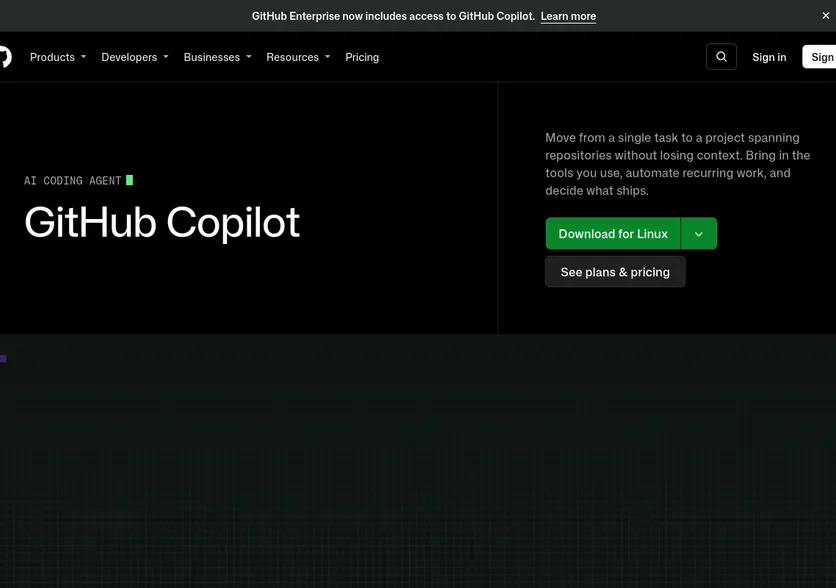
GitHub Copilot is the safe first choice for a startup: ten dollars a month buys inline suggestions, chat and code review inside the GitHub workflow the team already uses. This GitHub Copilot Pro plan covers the basics a two-person team needs, with Business at nineteen dollars per user a month when the team needs admin controls and Enterprise at thirty-nine dollars. Chat and agent use is metered separately in AI credits at one cent each, so a team that lives in the agent should track the credit spend.
What we like
- Ten dollars a month, the cheapest proven assistant
- Works inside GitHub and your editor
- Review, chat and completions in one plan
Watch out for
- Agent use is metered in AI credits
- Suggestions need review before merging
How to try it
- Open the GitHub Copilot page and start with the free tier
- Install the extension and accept suggestions for a week
- Ask Copilot to explain the oldest code in your project
2. Cursor
Best for: Startups that want an AI editor that builds whole features from a sentence
Paid tool Starting price: $20/month · Pro costs twenty dollars a month, or about sixteen dollars a month on annual billing; Pro Plus costs sixty dollars; Ultra costs two hundred dollars; Teams costs forty dollars per user a month
Free plan: Free plan included
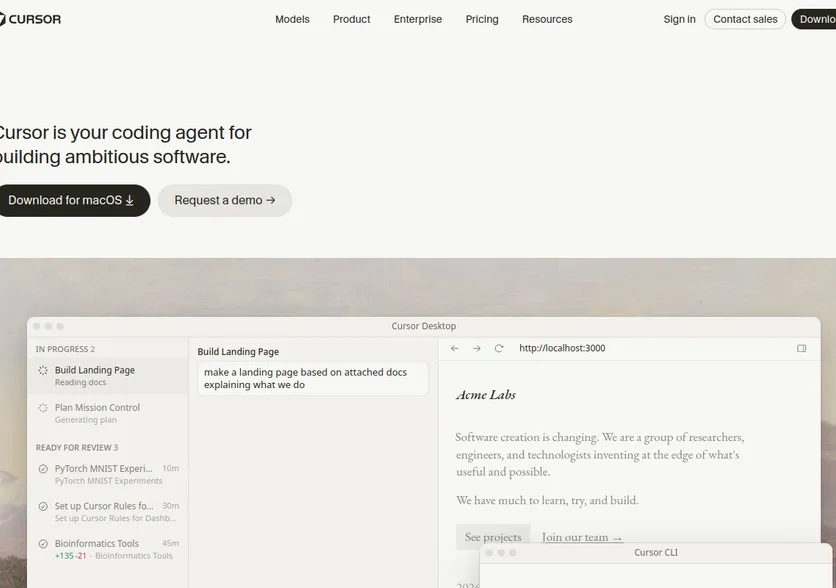
Cursor is the AI-first editor for a startup that wants to move fast: describe the feature in plain language and Cursor writes, refactors and fixes the code across whole files. This Cursor Pro plan costs twenty dollars a month, or about sixteen dollars a month on annual billing, with Pro Plus at sixty dollars, Ultra at two hundred dollars and Teams at forty dollars per user a month. The eight-dollar price some old lists still show is out of date, so budget on the current twenty-dollar figure.
What we like
- Builds whole features from plain language
- Strong at multi-file edits and refactoring
- Teams plan at forty dollars per user a month
Watch out for
- Twenty dollars a month per developer adds up
- Annual discount is modest at about sixteen dollars
How to try it
- Open the Cursor pricing page and check the Pro plan
- Open your project and ask Cursor to build one small feature
- Review the changed files before you commit anything
3. Claude Code
Best for: Startups that want a terminal agent that reads the whole codebase before it edits
Paid tool Starting price: $20/month · Included with Claude Pro at twenty dollars a month, or seventeen dollars a month billed annually; Max costs one hundred dollars; Ultra costs two hundred dollars
Free plan: Free plan included
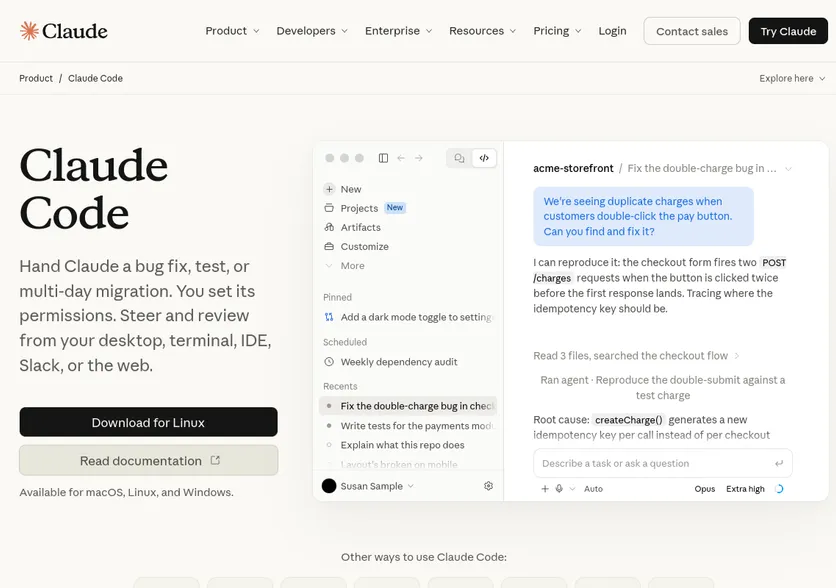
Claude Code is the terminal agent for a startup with experienced developers: it reads the codebase, plans the change and edits files while a developer watches every step. This Claude Code access comes with Claude Pro at twenty dollars a month, or seventeen dollars a month billed annually, with Max at one hundred dollars and Ultra at two hundred dollars. A startup that already pays for Claude Pro gets the coding agent included, so there is no second subscription to justify.
What we like
- Included with Claude Pro at twenty dollars a month
- Reads and explains large codebases well
- Developer watches every edit it makes
Watch out for
- Terminal workflow is not for beginners
- Pro plan usage limits apply
How to try it
- Open the Claude pricing page and check the Pro plan
- Install Claude Code and point it at your project
- Ask it to fix one bug and review every change it makes
4. JetBrains AI
Best for: Startups on JetBrains IDEs that want AI without switching editors
Paid tool Starting price: $10/user/month · AI Pro costs ten dollars per user a month, or one hundred dollars a year, with ten AI credits a month; AI Ultimate costs thirty dollars a month; AI Free includes three credits
Free plan: Free plan included, 3 AI credits
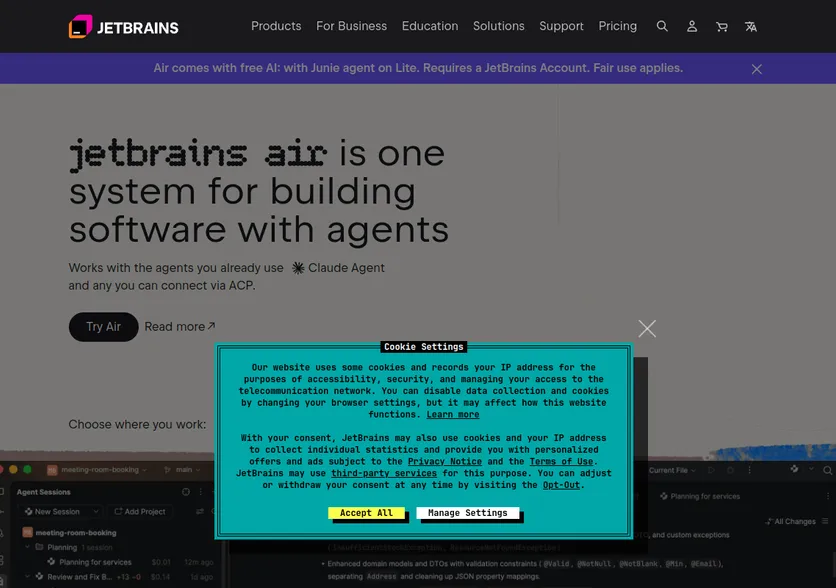
JetBrains AI brings completion, chat and refactoring into IntelliJ, PyCharm and the other JetBrains IDEs, so a startup keeps the tools it knows. This JetBrains AI Pro plan costs ten dollars per user a month, or one hundred dollars a year, with ten AI credits a month included, while AI Ultimate costs thirty dollars a month. The pricing was restructured twice in 2026, so trust the current page over an old blog post: organisation seats are now shared credits plus an Air Governance Business plan at twenty dollars per seat a month.
What we like
- Ten dollars a month in your existing IDE
- Shared credits suit uneven team use
- Ultimate tier adds agent features
Watch out for
- Pricing restructured twice in 2026
- Ten credits a month may run out fast
How to try it
- Open the JetBrains AI page and check the Pro plan
- Turn on AI in your JetBrains IDE and try a completion
- Count the ten monthly credits against your usage
5. Replit
Best for: Startups that want to prototype and host an app without any setup
Paid tool Starting price: $20/month · Core costs twenty dollars a month, or eighteen dollars a month on annual billing, with twenty dollars of monthly credits; Pro costs one hundred dollars a month, or ninety dollars on annual billing
Free plan: No free plan; free trial available
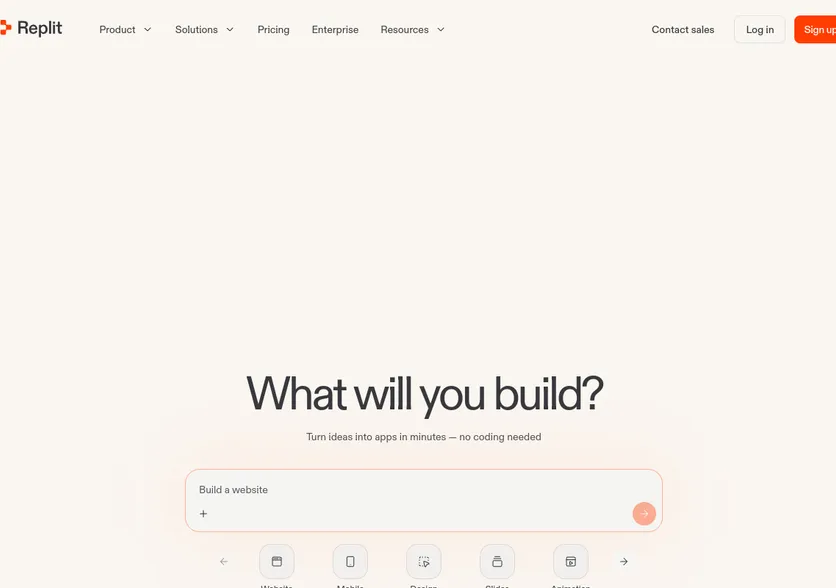
Replit lets a startup prototype in the browser: write, run and host a small app without local tooling or server setup. This Replit Core plan costs twenty dollars a month, or eighteen dollars a month on annual billing, and includes twenty dollars of monthly credits, with Pro at one hundred dollars a month or ninety dollars on annual billing. The free Starter plan has closed to new builders, so a startup should start with the three-day Core trial and check credit use before committing.
What we like
- Prototype and host in the browser
- Core includes twenty dollars of monthly credits
- Zero setup for a tiny team
Watch out for
- Free Starter closed to new builders
- Credits run out on heavy agent use
How to try it
- Open the Replit pricing page and compare Core and Pro
- Start the three-day Core trial on your prototype
- Check the credit balance after a week of building
6. Kiro
Best for: Startups that want to build from a written spec instead of a blank file
Paid tool Starting price: $20/user/month · Pro costs twenty dollars per user a month with one thousand credits; Pro Plus costs forty dollars; Pro Max costs one hundred dollars; Power costs two hundred dollars; extra credits cost four cents each
Free plan: Free plan included
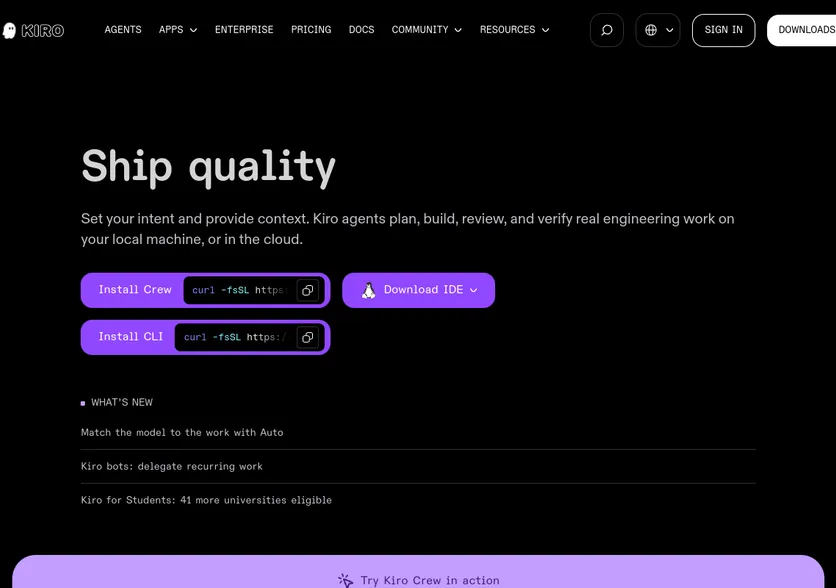
Kiro is the AI IDE from AWS for startups that like to plan first: write a spec, and its agents build and test the code against it. This Kiro Pro plan costs twenty dollars per user a month and includes one thousand credits, with Pro Plus at forty dollars, Pro Max at one hundred dollars and Power at two hundred dollars. It succeeds Amazon Q Developer, whose IDE plugins reach end of support in April 2027, and extra credits cost four cents each.
What we like
- Spec-first building keeps features on track
- One thousand credits included in Pro
- Team pooling shares credits across seats
Watch out for
- New tool with a shorter track record
- Extra credits cost four cents each
How to try it
- Open the Kiro pricing page and check the Pro plan
- Write a short spec for your next feature
- Let Kiro build it and review the code and tests
7. Tabnine
Best for: Startups that want the cheapest assistant and strict code privacy
Paid tool Starting price: $9/user/month · Dev costs nine dollars per user a month billed annually at one hundred eight dollars; Enterprise costs thirty-nine dollars per user a month; annual commitment required; free Basic tier
Free plan: Free Basic tier included
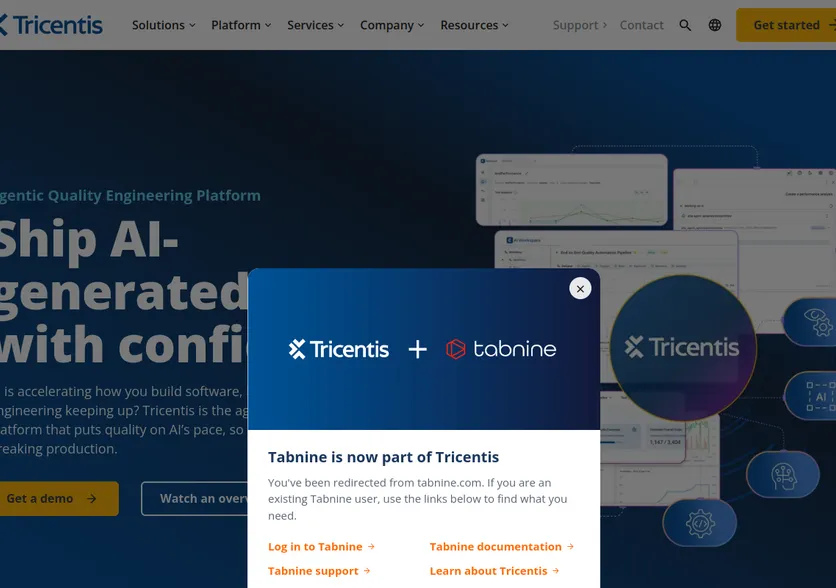
Tabnine is the cheapest assistant in this list at nine dollars per user a month, and it promises your code never trains its models. This Tabnine Dev plan costs nine dollars per user a month billed annually at one hundred eight dollars, with Enterprise at thirty-nine dollars per user a month and a free Basic tier. An annual commitment is required, and some sources show twelve dollars for Dev, but nine dollars is the dominant read on the vendor page.
What we like
- Nine dollars a month, the cheapest here
- Code never trains the models
- Free Basic tier to try it out
Watch out for
- Annual commitment required
- Some sources show twelve dollars for Dev
How to try it
- Open the Tabnine pricing page and check the Dev plan
- Install the extension and use completions for a week
- Confirm the privacy settings before sharing code
Prices above were checked on each vendor’s own website on Nov 27, 2026 and can change — the vendor’s page is the final word. Vendor links are editorial: nobody paid to be listed or ranked here. Vendors who want a featured listing can see how it works on our Get listed page.
What AI coding assistants cost startups in 2026
A startup can start coding with AI for free and stay under one hundred dollars a month for a long time. Tabnine Dev costs nine dollars a user a month, GitHub Copilot Pro ten dollars a month, and Cursor Pro, Claude Code and Replit Core twenty dollars a month each. Credit-based tools add a second bill: JetBrains AI Pro includes ten credits a month, Kiro Pro includes one thousand credits, and extra Kiro credits cost four cents each.
Give two assistants the same real task, such as building a small feature in your own project, and compare what you keep. Count how many prompts it takes, how much of the code survives review, and whether the assistant understands your project or just the open file. Pay for the assistant that ships working code fastest, not the one with the flashiest demo.
Before you buy
- Start on a free tier, because most assistants here offer one and Replit Core has a three-day trial instead.
- Count developers before you budget, because Cursor Pro costs twenty dollars a month and Tabnine Dev costs nine dollars per user.
- Check the credit limits, because JetBrains AI Pro includes ten credits a month and Kiro Pro includes one thousand credits.
- Watch the metered extras, because GitHub Copilot charges AI credits and Kiro charges four cents per extra credit.
- Pick the assistant that ships working code, because the one your team ignores costs money and saves nothing.
Official websites
Official websites of the products reviewed above. Features and prices were checked against these sites when this guide was written, and they can change, so confirm on the vendor site before you buy.
Frequently asked questions
Which AI coding assistant is best for startups in 2026?
Cursor is the best overall pick at twenty dollars a month, with an AI-first editor that builds whole features from plain-language instructions. GitHub Copilot is the best budget pick at ten dollars a month, with inline suggestions and chat inside the editor most teams already use. Tabnine is the best cheapest pick at nine dollars per user a month, with strict code privacy controls.
How much does an AI coding assistant cost a startup?
A startup can start free: most assistants here offer free tiers, and Replit Core has a three-day trial. Paid plans run from nine dollars per user a month for Tabnine Dev to twenty dollars a month for Cursor Pro, Claude Code and Replit Core. A team of three developers should budget roughly twenty-seven to sixty dollars a month, plus metered extras like AI credits.
Can a startup use an AI coding assistant for free?
Yes. GitHub Copilot, Cursor, Claude Code, JetBrains AI, Kiro and Tabnine all include free plans, with JetBrains AI Free offering three credits and Tabnine Basic covering completions. Replit is the exception: its free Starter plan closed to new builders, so new users start with a three-day Core trial instead of a free plan.
Do AI coding assistants replace developers at a startup?
No, they let a tiny team ship like a bigger one by writing boilerplate, fixing routine bugs and explaining unfamiliar code. The assistant still needs a human to check its work, because it can invent APIs, miss edge cases and misunderstand the project. A startup should treat the assistant as a junior pair programmer that needs review, not as a replacement hire.
What should a startup look for in an AI coding assistant?
Look for an assistant that works inside the editor your team already uses, with a generous free tier and a price that stays low while the team is small. Check whether the price is per user or per credit, and whether extras like AI credits or Kiro credits are metered. The best assistant for a startup is the one that ships working code fastest.
Need everyday code help too? Try Toolsvine's free code tools right in your browser.
Browse Code Generators tools