On this page
Remote teams stall when every tool change needs a developer in another time zone and a ticket that waits overnight. The eight tools below let a distributed team build its own apps, portals and dashboards with drag-and-drop builders, and share them with a link instead of a release. Every price was checked on the vendor site on November 27, 2026, and the list runs from five dollars per user a month to fifty-two dollars a month. Glide is our first pick — the builder that turns a spreadsheet into a working app fast, so a remote team ships in days.
How we researched this
We started with the app builders remote teams actually use, then read each price on the vendor pricing page on November 27, 2026 and noted the trial or free plan each one carries. We judged them for a distributed team that builds its own apps across time zones, with sharing, comments and live data that everyone can see. We dropped Mendix and OutSystems because neither publishes a list price, so a buyer cannot compare them without a sales call.
Compare the tools
| Name | Best for | Starting price | Free plan | |
|---|---|---|---|---|
 Glide | Remote teams that want a spreadsheet turned into a working app fast | $19/month | Free plan for small personal apps | Visit |
 Softr | Remote teams that want client portals on top of Airtable or Google Sheets | $19/month | Free plan with one app | Visit |
 Bubble | Remote teams that want full web apps, not just portals | $32/month | Free plan for learning and prototyping | Visit |
 AppSheet | Remote teams that live in Google Workspace and want mobile apps from sheets | $5/user/month | Free plan for prototypes with up to ten test users | Visit |
 Zoho Creator | Remote teams already on Zoho that want forms turned into shared apps | $8/user/month | Free plan available | Visit |
 Retool | Remote teams that need internal tools with real database access | $10/builder/month | Free plan for up to five users | Visit |
 FlutterFlow | Remote teams that want native mobile apps without a mobile developer | $29/month | Free plan for learning and testing | Visit |
 Adalo | Remote teams that want native mobile apps from a drag-and-drop canvas | $52/month | Free plan for learning and prototyping | Visit |
The drag and drop app builder software for remote teams, compared
1. Glide
Best for: Remote teams that want a spreadsheet turned into a working app fast
Paid tool Starting price: $19/month · Nineteen dollars a month billed annually for the Explorer plan, or twenty-five dollars month to month; Maker costs forty-nine dollars and Business costs one hundred and ninety-nine dollars a month billed annually
Free plan: Free plan for small personal apps
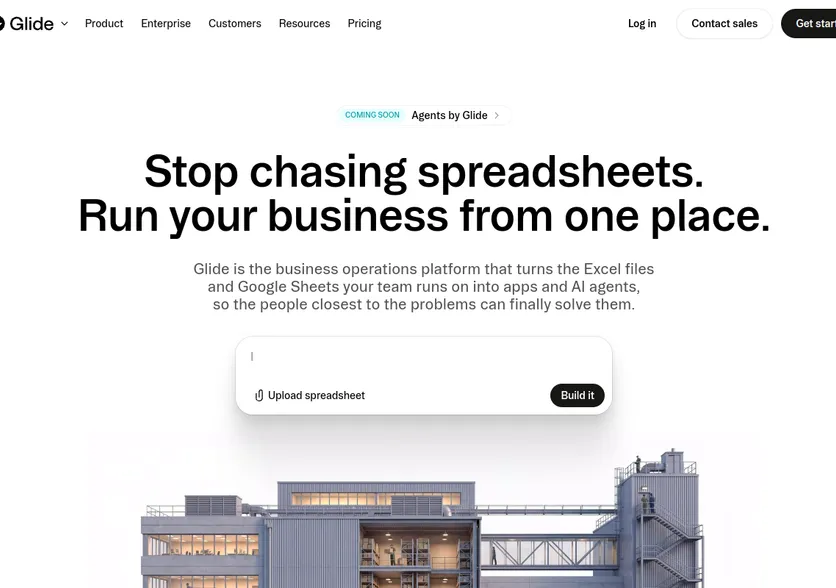
Glide turns a spreadsheet into a polished app in hours, which is exactly what a remote team needs to move fast. This Glide Explorer plan costs nineteen dollars a month billed annually and covers one published app with unlimited viewers. A distributed team gets portals, dashboards and internal tools that update live from the same sheet everyone already edits.
What we like
- Turns a spreadsheet into an app in hours
- Unlimited viewers on the Explorer plan
- Live data that updates for everyone at once
Watch out for
- Explorer covers only one published app
- Advanced features need the Maker plan
How to try it
- Open the Glide site and start with the free plan
- Connect a spreadsheet and pick an app template
- Publish the app and share the link with the team
2. Softr
Best for: Remote teams that want client portals on top of Airtable or Google Sheets
Paid tool Starting price: $19/month · Nineteen dollars a month billed annually for the Basic plan, or twenty-five dollars month to month; Pro costs ninety-nine dollars and Business costs three hundred and twenty-nine dollars a month billed annually
Free plan: Free plan with one app
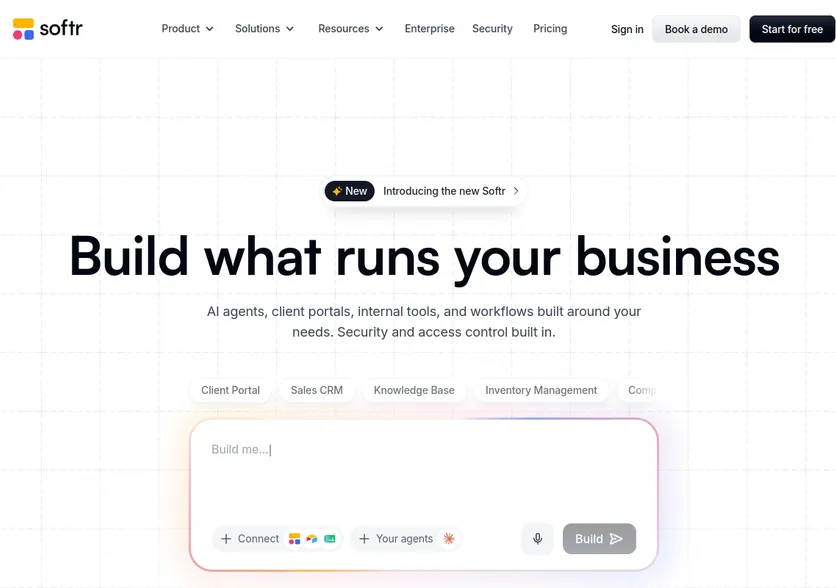
Softr builds client portals and internal tools on top of Airtable or Google Sheets, so a remote team starts from data it already has. This Softr Basic plan costs nineteen dollars a month billed annually and covers one published app with a custom domain. A team spread across time zones gets memberships, permissions and forms without writing code or waiting on a developer.
What we like
- Client portals with memberships and permissions
- Starts from Airtable or Google Sheets data
- Custom domain on the Basic plan
Watch out for
- Basic covers only one published app
- Needs Airtable or Google Sheets as the data source
How to try it
- Open the Softr site and start with the free plan
- Connect Airtable or Google Sheets as the data source
- Build a portal with memberships and publish it
3. Bubble
Best for: Remote teams that want full web apps, not just portals
Paid tool Starting price: $32/month · Thirty-two dollars a month billed annually for the Starter Web plan, or thirty-nine dollars month to month; Growth costs one hundred and nineteen dollars and Team costs three hundred and forty-nine dollars a month billed annually
Free plan: Free plan for learning and prototyping
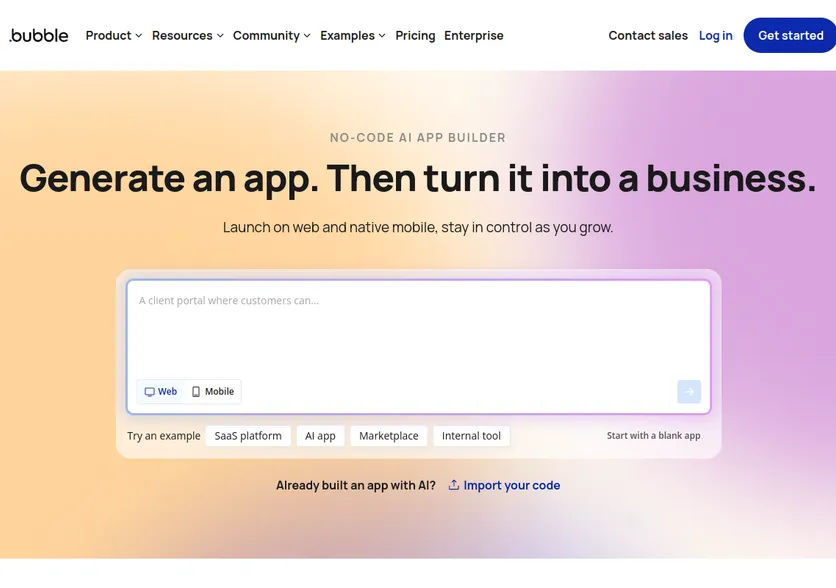
Bubble gives a remote team a full no-code platform for web apps that go beyond a simple portal. This Bubble Starter Web plan costs thirty-two dollars a month billed annually and covers one live app with a custom domain. A distributed team gets a visual builder with plugins and API connectors, so the app it ships talks to the systems it already runs.
What we like
- Builds full web apps, not just forms
- Plugins and API connectors for existing systems
- Visual workflows that replace backend code
Watch out for
- Starter covers only one live app
- Complex apps need the Growth plan to scale
How to try it
- Open the Bubble site and start with the free plan
- Design a page and build the database visually
- Connect an API and publish the app on a custom domain
4. AppSheet
Best for: Remote teams that live in Google Workspace and want mobile apps from sheets
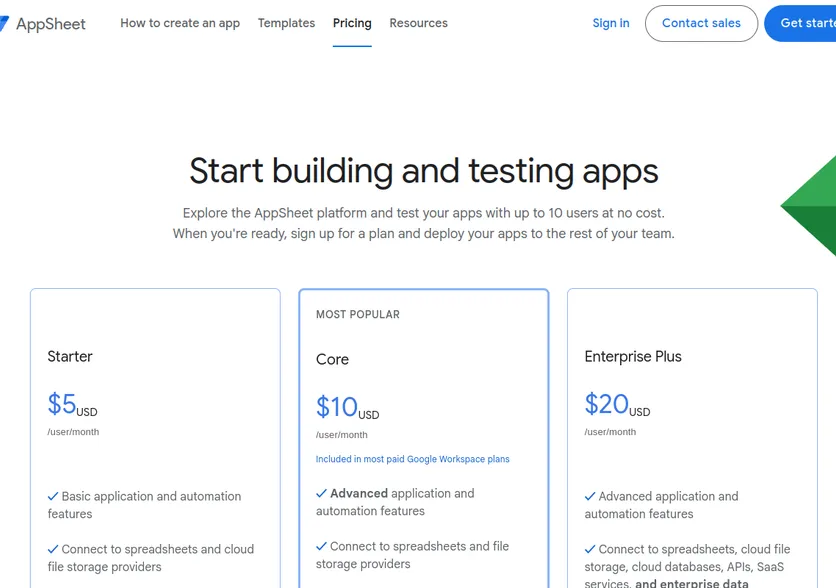
Paid tool Starting price: $5/user/month · Five dollars per user a month for the Starter plan; Core costs ten dollars and Enterprise Plus costs twenty dollars per user a month, while Publisher Pro costs fifty dollars per app a month
Free plan: Free plan for prototypes with up to ten test users
AppSheet lets a remote team build a mobile app from a spreadsheet and share it with a link. This AppSheet Starter plan costs five dollars per user a month and covers one app per user with core automation. A team that lives in Google Workspace gets apps that read from its own sheets, with no coding and no new database to manage.
What we like
- Cheapest entry price in this comparison
- Turns a spreadsheet into a working app fast
- Included in most paid Google Workspace plans
Watch out for
- Starter covers only one app per user
- Tied closely to Google Sheets and Workspace
How to try it
- Open the AppSheet site and start with the free plan
- Point it at a Google Sheet and generate the app
- Add an automation and share the app with the team
5. Zoho Creator
Best for: Remote teams already on Zoho that want forms turned into shared apps
Paid tool Starting price: $8/user/month · Eight dollars per user a month billed annually for the Standard plan, or twelve dollars month to month; Professional costs twenty dollars and Enterprise costs twenty-five dollars per user a month billed annually
Free plan: Free plan available
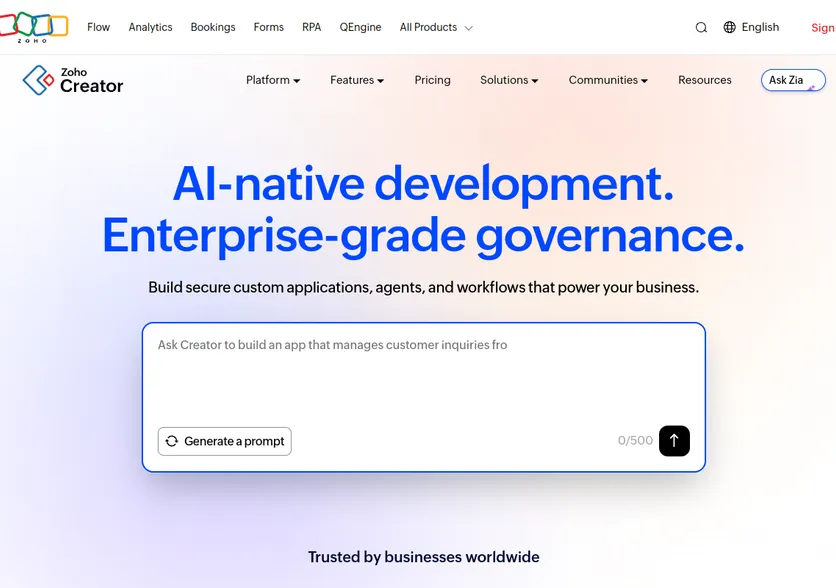
Zoho Creator turns a form into a shared app that a remote team can open from anywhere. This Zoho Creator Standard plan costs eight dollars per user a month billed annually and covers three apps per user. A distributed team gets workflow automation, reports and mobile apps that share data with the rest of Zoho.
What we like
- Cheapest paid plan for Zoho teams
- Shares data with the rest of the Zoho suite
- Workflow automation and mobile apps included
Watch out for
- Standard covers only three apps per user
- Best value only for teams already on Zoho
How to try it
- Open the Zoho Creator page and start with the free plan
- Build a form and turn it into an app
- Add a workflow and share the app with the team
6. Retool
Best for: Remote teams that need internal tools with real database access
Paid tool Starting price: $10/builder/month · Ten dollars per builder a month billed annually for the Team plan, plus five dollars per internal user; Business costs fifty dollars per builder and fifteen dollars per internal user a month
Free plan: Free plan for up to five users
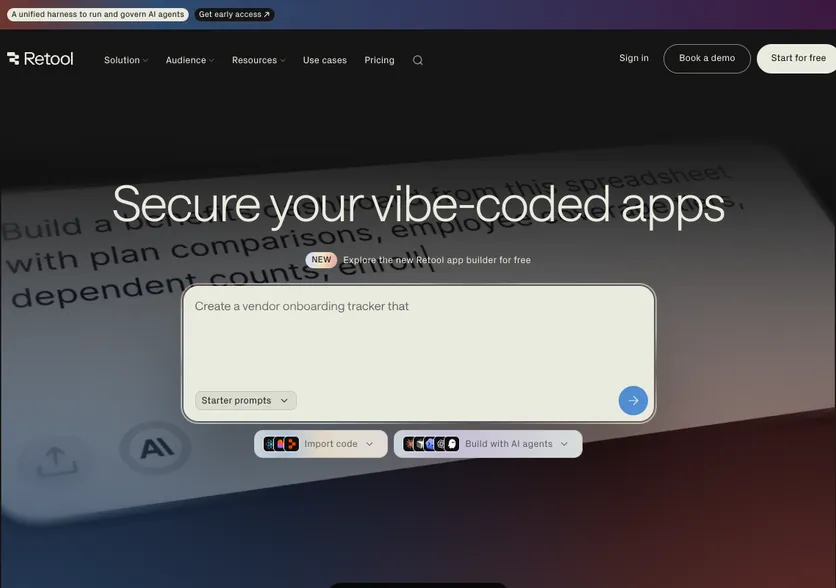
Retool builds the internal tools a remote team actually needs, from admin panels to dashboards that write back to the database. This Retool Team plan costs ten dollars per builder a month billed annually, plus five dollars per internal user. A team across time zones gets real database access and permissions, so builders in one country and users in another stay in sync.
What we like
- Real read and write access to your own databases
- Custom code when drag-and-drop runs out
- Per-builder pricing that stays cheap as usage grows
Watch out for
- Builders pay more than viewers, so count them first
- Advanced features need the Business plan
How to try it
- Open the Retool site and start with the free plan
- Connect your database and drag in a table
- Add a form and set permissions for the team
7. FlutterFlow
Best for: Remote teams that want native mobile apps without a mobile developer
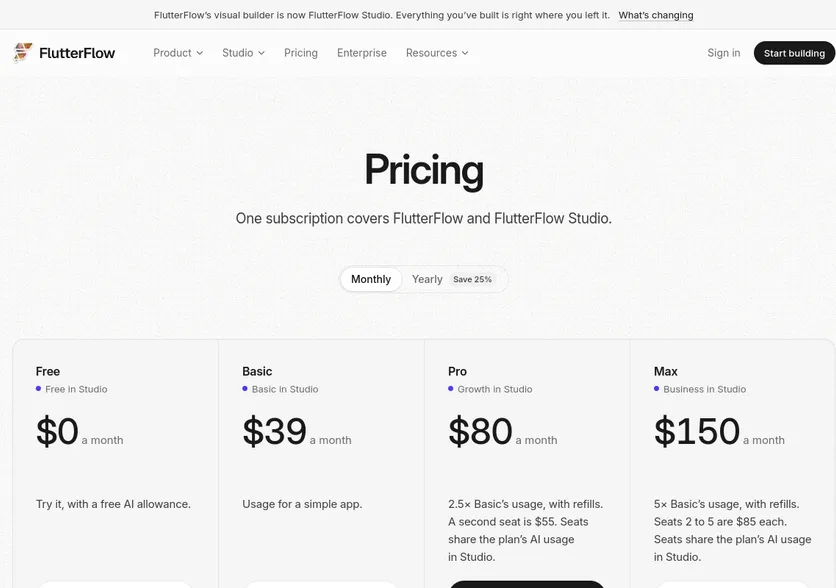
Paid tool Starting price: $29/month · Twenty-nine dollars a month billed annually for the Basic plan, or thirty-nine dollars month to month; Pro costs sixty dollars and Max costs one hundred and thirteen dollars a month billed annually
Free plan: Free plan for learning and testing
FlutterFlow builds native mobile apps visually, so a remote team ships to phones without a mobile developer. This FlutterFlow Basic plan costs twenty-nine dollars a month billed annually and covers one project with code export. A distributed team gets a visual builder that exports real Flutter code, so the app it builds is not locked into the tool.
What we like
- Exports real Flutter code, so no lock-in
- Native mobile apps without a mobile team
- Visual builder that designers can use
Watch out for
- Basic covers only one project
- Code export needs the paid plan
How to try it
- Open the FlutterFlow site and start with the free plan
- Design the screens visually and connect your data
- Export the Flutter code and publish to the app stores
8. Adalo
Best for: Remote teams that want native mobile apps from a drag-and-drop canvas
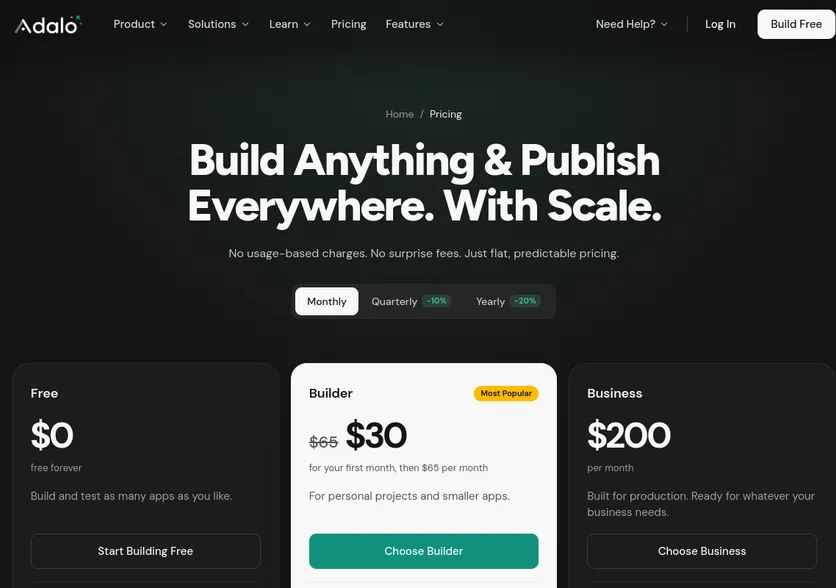
Paid tool Starting price: $52/month · Fifty-two dollars a month billed annually for the Builder plan, or sixty-five dollars month to month; Business costs two hundred dollars a month billed annually and the first month is thirty dollars on a launch offer
Free plan: Free plan for learning and prototyping
Adalo builds native mobile apps with a drag-and-drop canvas that a non-technical team can learn in a day. This Adalo Builder plan costs fifty-two dollars a month billed annually and covers one published app. A remote team gets app screens, databases and push notifications in one place, without hiring a developer or waiting for a release window.
What we like
- Drag-and-drop canvas a non-technical team can learn
- Push notifications and databases built in
- Publishes native apps to the app stores
Watch out for
- Builder covers only one published app
- Highest entry price in this comparison
How to try it
- Open the Adalo site and start with the free plan
- Drag screens together and build the database
- Add push notifications and publish the app
Prices above were checked on each vendor’s own website on Nov 27, 2026 and can change — the vendor’s page is the final word. Vendor links are editorial: nobody paid to be listed or ranked here. Vendors who want a featured listing can see how it works on our Get listed page.
What app builders cost a remote team in 2026
App builders for remote teams charge in one of three ways, per user, per builder or per app, and the difference decides the bill. Per-user pricing suits a team where everyone opens the apps, while per-app pricing suits a team that builds one portal and shares it with the whole company. The cheapest plan here costs five dollars per user a month, while the most expensive costs fifty-two dollars a month for one published app.
Start with a trial on two tools and rebuild one real team app in each, with the same form, shared data and notification. Time the build, test the sharing link and check how the app looks on a phone. Pick the builder your least technical teammate can use alone, because a remote tool that only one person understands is a bottleneck.
Before you buy
- Check whether the price is per user, per builder or per app, because the same plan can cost ten times more under the wrong model.
- Confirm the app works well on a phone, because a remote team opens its tools from everywhere.
- Test the sharing and permissions, because a portal that anyone can edit is a security problem.
- Ask whether the data updates live, because a remote team needs one source of truth, not a stale copy.
- Check the export terms before you sign, because apps you cannot move lock you into the builder forever.
Official websites
Official websites of the products reviewed above. Features and prices were checked against these sites when this guide was written, and they can change, so confirm on the vendor site before you buy.
Frequently asked questions
Which drag-and-drop app builder is best for remote teams in 2026?
Glide is the best overall pick at nineteen dollars a month, turning a spreadsheet into a working app fast so a remote team ships in days. AppSheet is the best budget pick at five dollars per user a month for teams that live in Google Workspace. Softr is the best pick for client portals at nineteen dollars a month with memberships and permissions built in.
How much does an app builder cost a remote team?
Prices in this list run from five dollars per user a month for AppSheet Starter to fifty-two dollars a month for Adalo Builder, with most tools landing between eight and thirty-two dollars a month. Per-app pricing suits a team that builds one portal and shares it with the whole company, while per-user pricing suits a team where everyone opens the apps. Add extra app and data connector fees to the subscription before you compare totals.
Can a remote team build apps without a developer?
Yes, every tool here builds apps with drag-and-drop, and most teams ship a working app without writing code. Glide and Softr start from a spreadsheet, so a team that already tracks work in a sheet can build its first app in a day. A remote team should pick the builder its least technical member can use alone, because a tool that only one person understands is a bottleneck.
What should a remote team check before choosing an app builder?
Start with live data, because a remote team needs one source of truth that updates for everyone at once. Then check sharing and permissions, because a portal that anyone can edit is a security problem. A team should test the app on a phone during the trial, because remote teammates open their tools from everywhere, not just a desk.
Do app builders work for client-facing portals too?
Yes, Softr and Glide build client portals with logins and permissions, while Bubble ships full customer-facing web apps. A remote team that serves clients should pick a builder with membership controls, so each client sees only its own data. A team should also check the custom domain and branding options, because a portal that carries the builder logo looks unfinished to a client.
Need everyday developer help too? Try Toolsvine's free developer tools right in your browser.
Browse Developer Tools tools