On this page
A DevOps incident is won or lost on the runbook. When the page is accurate, the on-call engineer follows it and the service recovers; when it is stale, the engineer guesses, and the outage gets longer. Confluence leads this list because it ties runbooks to Jira issues and the on-call schedule for seven dollars and fifteen cents per user per month. The other seven tools are ranked on the same test: how well a knowledge base keeps runbooks true under pressure.
How we researched this
We checked every price on the vendor pricing page on November 28, 2026, and only included tools with a published US dollar list price and a free plan or free trial. Every tool here fits DevOps work: runbooks with owners, search that finds error messages, and versioning that matches the deploy. Prices change, so confirm the current figure on the vendor site before you buy.
Compare the tools
| Name | Best for | Starting price | Free plan | |
|---|---|---|---|---|
 Confluence | DevOps teams already running Jira and Bitbucket | $7.15/user/month | Free plan for up to 10 users | Visit |
| Document360 | DevOps teams that need AI answers across runbooks and guides | $149/project/month | 14-day free trial; no free plan | Visit |
 GitBook | DevOps teams that keep runbooks in Git beside the code | $65/site/month + $12/user/month | Free plan for public docs | Visit |
 ReadMe | DevOps teams whose API docs and runbooks must stay together | $250/month | Free Starter plan for 1 project and 1 admin | Visit |
 Slab | DevOps teams that need a wiki whose pages stay verified | $6.67/user/month | Free plan for up to 10 users | Visit |
 Notion | DevOps teams that mix runbooks, decisions and roadmaps in one place | $10/user/month | Free plan for individuals with limited blocks | Visit |
 HelpDocs | DevOps teams that need a simple knowledge base with a clean editor | $99/month | 14-day free trial; no free plan | Visit |
 Scribe | DevOps teams that document deploys with step-by-step guides | $29/user/month | Free Basic plan | Visit |
The knowledge base software for DevOps teams, compared
1. Confluence
Best for: DevOps teams already running Jira and Bitbucket
Paid tool Starting price: $7.15/user/month · Seven dollars and fifteen cents per user per month on the Standard plan for one to one hundred users on monthly billing (fourteen dollars and ten cents for Premium); annual billing runs lower at about six dollars per user per month on Standard for a ten-user workspace. Atlassian raised Cloud prices on October 13, 2026
Free plan: Free plan for up to 10 users
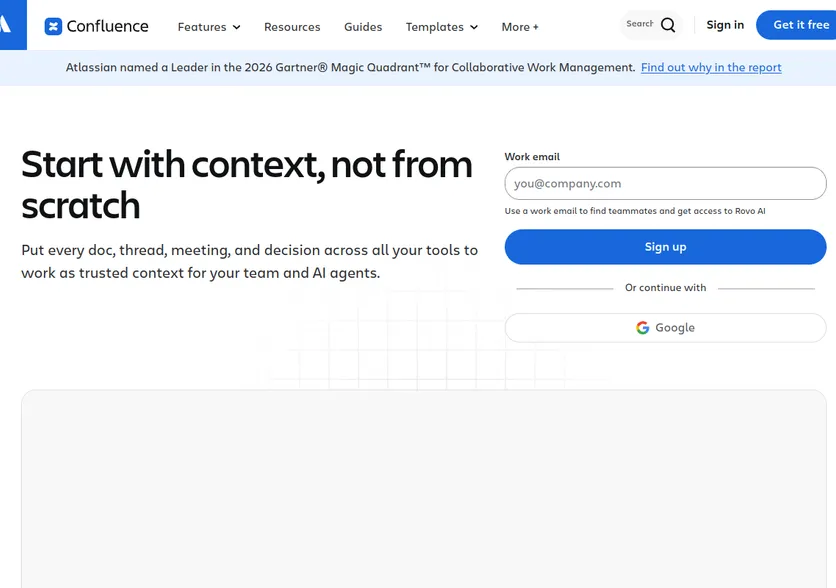
This Confluence plan costs seven dollars and fifteen cents per user per month, and it is the wiki most DevOps teams already have. Runbooks, design docs and postmortems live in spaces beside the Jira issues they describe, and templates keep every incident review in the same shape. Whiteboards and databases add planning to the same space, so the on-call rotation, the runbook and the incident record stay connected.
What we like
- Deep integration with Jira and the Atlassian suite
- Templates keep runbooks and postmortems consistent
- Whiteboards and databases add planning in one space
Watch out for
- Search is weaker than dedicated docs tools
- Large spaces can become hard to navigate
How to try it
- Create a space per service and add a runbook template
- Link each runbook to its Jira issues and on-call schedule
- Set review dates on runbooks and check them after every incident
2. Document360
Best for: DevOps teams that need AI answers across runbooks and guides
Paid tool Starting price: $149/project/month · One hundred and forty-nine dollars per project per month on the Standard plan; Professional is two hundred and ninety-nine dollars per project per month, and higher tiers add single sign-on and advanced analytics
Free plan: 14-day free trial; no free plan
This Document360 plan costs one hundred and forty-nine dollars per project per month, and it turns a runbook library into something an on-call engineer can actually use at 3 a.m. The AI assistant answers from the docs, categories and workflows keep runbooks organized by service, and analytics show which searches fail so the team writes the missing pages. Versions keep each runbook tied to the deploy it describes.

What we like
- The AI assistant answers from the docs library
- Versions tie runbooks to the deploy they describe
- Analytics show which searches fail after incidents
Watch out for
- No free plan, only a fourteen-day trial
- Single sign-on needs a higher tier
How to try it
- Organize runbooks by service and link them to the deploy
- Turn on the AI assistant and connect it to the library
- Read the failed-search report after every incident and fill the gaps
3. GitBook
Best for: DevOps teams that keep runbooks in Git beside the code
Paid tool Starting price: $65/site/month + $12/user/month · Sixty-five dollars per site per month plus twelve dollars per user per month on the Essential plan billed annually; Ultimate is two hundred and forty-nine dollars per site per month plus twelve dollars per user per month. Monthly billing is seventy-nine dollars per site plus fifteen dollars per user
Free plan: Free plan for public docs
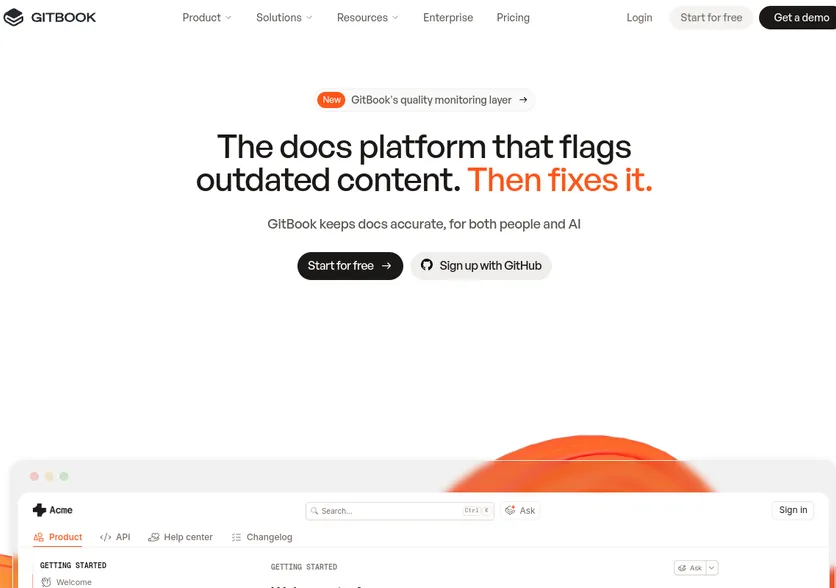
This GitBook plan costs sixty-five dollars per site per month plus twelve dollars per user per month, and it treats runbooks like code. Markdown syncs from the repo, so a runbook changes in the same pull request as the deploy, and the AI drafts the first version of a new page. The published site is fast and searchable, which matters when an engineer is reading a runbook during an incident.
What we like
- Git sync ties runbooks to deploys
- AI drafts the first version of a page
- The published site is fast with strong search
Watch out for
- The per-site plus per-user price adds up fast
- Advanced permissions need the Ultimate plan
How to try it
- Sync the runbook folder from the Git repo
- Let the AI draft the first version of a new runbook
- Publish and check the search analytics after each incident
4. ReadMe
Best for: DevOps teams whose API docs and runbooks must stay together
Paid tool Starting price: $250/month · Two hundred and fifty dollars per month billed annually on the Pro plan for one project and up to five admins (twenty dollars per month per extra admin); Enterprise is custom, and the Ask AI add-on is one hundred and fifty dollars per month
Free plan: Free Starter plan for 1 project and 1 admin
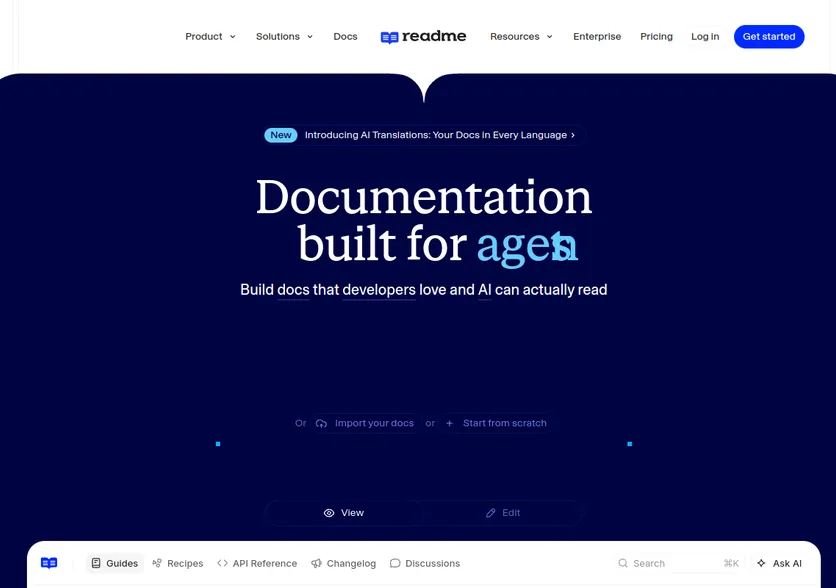
This ReadMe plan costs two hundred and fifty dollars per month billed annually, and it suits DevOps teams whose services are APIs. The reference builds from the OpenAPI spec, guides sit beside it, and the playground lets an engineer test a call during an incident without leaving the docs. Metrics show which endpoints get used and which guides get read, which tells the team what to fix next.
What we like
- The reference builds from the OpenAPI spec
- The playground tests calls during an incident
- Metrics show which guides get read
Watch out for
- The price is high for a small service set
- AI answers are a paid add-on
How to try it
- Import the OpenAPI spec to build the reference
- Write the runbook for each service beside its reference
- Check the metrics to see which endpoints need better docs
5. Slab
Best for: DevOps teams that need a wiki whose pages stay verified
Paid tool Starting price: $6.67/user/month · Six dollars and sixty-seven cents per user per month billed annually on the Startup plan (eight dollars on monthly billing); Business is twelve dollars and fifty cents per user per month
Free plan: Free plan for up to 10 users
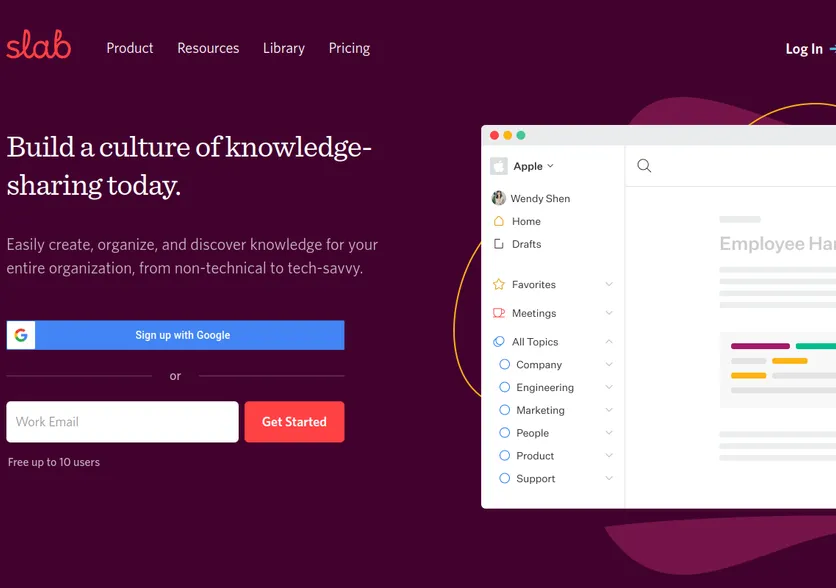
This Slab plan costs six dollars and sixty-seven cents per user per month billed annually, and it is built around verified pages. Topics organize runbooks by service, verification reminders keep owners honest, and integrations pull content from Slack and GitHub into the wiki. That matters for a DevOps team, because a runbook that was true six months ago can cause an outage today.
What we like
- Verification reminders keep runbooks accurate
- Topics organize the wiki by service
- Integrations pull content from Slack and GitHub
Watch out for
- Built for internal wikis, not public API docs
- The free plan caps the team at ten users
How to try it
- Create topics for each service and move the runbooks in
- Set verification reminders on the runbooks that change most
- Connect Slack and GitHub so content flows into the wiki
6. Notion
Best for: DevOps teams that mix runbooks, decisions and roadmaps in one place
Paid tool Starting price: $10/user/month · Ten dollars per user per month billed annually on the Plus plan (twelve dollars on monthly billing); Business is twenty dollars per user per month and includes Notion AI
Free plan: Free plan for individuals with limited blocks
This Notion plan costs ten dollars per user per month billed annually, and it gives a DevOps team one workspace for runbooks, decisions and plans. Pages link to databases, so a runbook, its owner and its review date connect in one view, and the AI can draft and summarize inside the page. That flexibility suits a team whose docs mix incident notes, architecture decisions and onboarding in one place.

What we like
- Pages, databases and wikis share one workspace
- The AI drafts and summarizes inside the page
- Flexible enough for runbooks, decisions and plans
Watch out for
- The published docs site is weaker than GitBook or Mintlify
- Large wikis need discipline to stay organized
How to try it
- Build the runbook wiki with a page per service
- Link pages to a database that tracks owners and review dates
- Use the AI to draft the first version of each new runbook
7. HelpDocs
Best for: DevOps teams that need a simple knowledge base with a clean editor
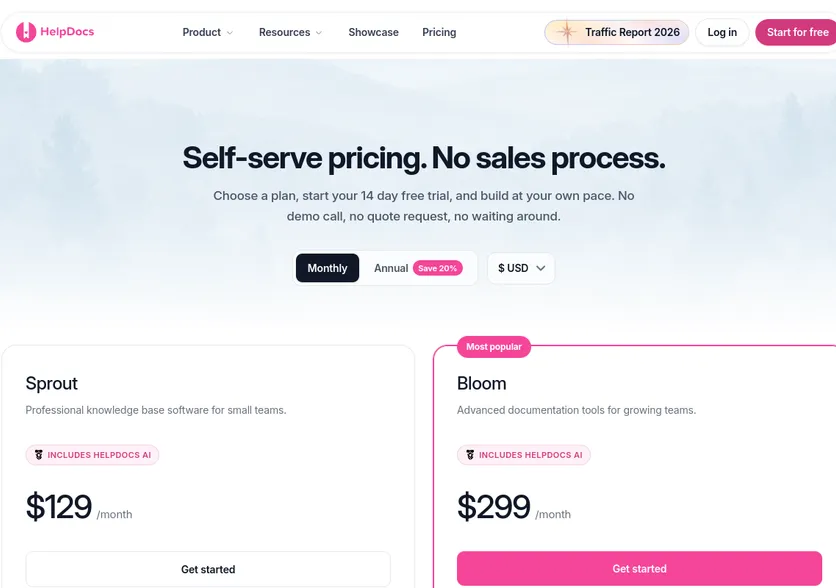
Paid tool Starting price: $99/month · Ninety-nine dollars per month billed annually on the Sprout plan (one hundred and twenty-nine dollars on monthly billing) for five editors; Bloom is two hundred and thirty-nine dollars and Harvest is three hundred and ninety-nine dollars per month
Free plan: 14-day free trial; no free plan
This HelpDocs plan costs ninety-nine dollars per month billed annually, and it is the simplest dedicated knowledge base in this list. The editor writes clean articles fast, categories organize runbooks by service, and five editors can work on the Sprout plan without counting readers. That suits a small DevOps team that wants a public or internal knowledge base without learning a heavy platform.
What we like
- The editor is fast and simple to use
- Five editors are included on the Sprout plan
- Categories organize runbooks cleanly by service
Watch out for
- No free plan, only a fourteen-day trial
- No built-in AI answers on the entry plan
How to try it
- Create categories for each service and write the core runbooks
- Set the five editors and their review roles
- Publish the knowledge base and link it from your status page
8. Scribe
Best for: DevOps teams that document deploys with step-by-step guides
Paid tool Starting price: $29/user/month · Twenty-nine dollars per user per month on the Pro Personal plan billed monthly; annual billing drops it to about twenty-three to twenty-five dollars per user per month, and Pro Team for five or more seats runs about twelve to thirteen dollars per user per month on annual billing
Free plan: Free Basic plan
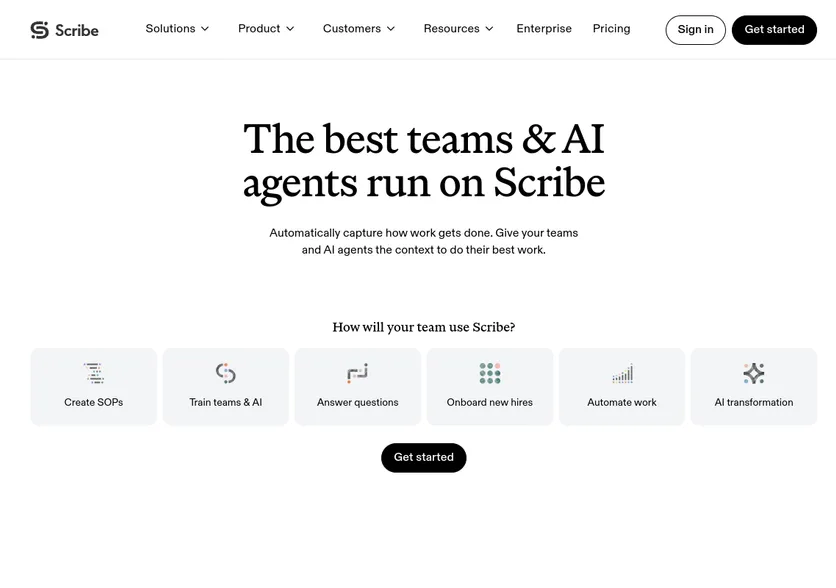
This Scribe plan costs twenty-nine dollars per user per month, and it turns a deploy walkthrough into a written guide automatically. An engineer records the steps on screen once, Scribe writes the guide with screenshots, and the next on-call engineer follows it without a handover call. That is ideal for runbooks that are mostly clicks: console steps, dashboard settings and deploy checklists.
What we like
- Guides write themselves from a screen recording
- Screenshots and steps stay in sync automatically
- New on-call engineers can follow the guide alone
Watch out for
- Built for guides, not a full knowledge base
- The free plan limits exports and branding
How to try it
- Record the deploy or console process on screen while you do it
- Edit the generated steps and screenshots in the guide
- Share the guide link in the runbook library
Prices above were checked on each vendor’s own website on Nov 28, 2026 and can change — the vendor’s page is the final word. Vendor links are editorial: nobody paid to be listed or ranked here. Vendors who want a featured listing can see how it works on our Get listed page.
How a DevOps team should keep runbooks true under pressure
Write the runbook for the engineer who is paged at 3 a.m., not for the one who wrote the service. Open with the symptom and the first three checks, give the fix before the explanation, and keep the page to one service and one failure mode. Assign an owner and a review date to every runbook, and review it after every incident that touched it, because the incident is the moment the runbook proves itself wrong. Drill the runbook: run a game day where a new engineer follows the page alone, and fix every step they stumble on. Finally, version the runbook with the deploy it describes, since the fix for the old version is often the cause of the next outage.
Before you buy
- Check that runbooks update from your repo, so the fix matches the current deploy
- Confirm the search finds error messages and service names, not only page titles
- Ask whether page owners and review dates are enforced, because stale runbooks cause outages
- Test the docs on a phone, because incidents get read from a phone at night
- Write one real incident runbook on the trial and follow it in a drill before you pay
Official websites
Official websites of the products reviewed above. Features and prices were checked against these sites when this guide was written, and they can change, so confirm on the vendor site before you buy.
Frequently asked questions
What is the best knowledge base software for DevOps teams?
Confluence is the best pick for most DevOps teams because it costs seven dollars and fifteen cents per user per month and ties runbooks to Jira issues and the on-call schedule. Slab is the cheapest dedicated wiki at six dollars and sixty-seven cents, while Document360 suits teams that need AI answers across a large library. The right choice depends on whether you already run Atlassian tools.
How much does knowledge base software for DevOps teams cost?
Paid plans in this list start at six dollars and sixty-seven cents per user per month for Slab Startup and seven dollars and fifteen cents for Confluence Standard, both billed annually. Notion Plus is ten dollars, Scribe Pro is twenty-nine dollars per user per month, and HelpDocs Sprout is ninety-nine dollars per month flat. GitBook Essential is sixty-five dollars per site plus twelve dollars per user, and Document360 Standard is one hundred and forty-nine dollars per project per month.
Can a DevOps team use a free knowledge base plan?
Yes. Confluence is free for up to ten users, Slab is free for up to ten users, and Scribe has a free Basic plan. The limits show up in page counts, permissions and advanced features, so a free plan is a good place to start writing runbooks. Move to a paid plan when the runbooks become part of incident response and need owners and review dates.
What features matter most for DevOps teams?
Page ownership and review dates matter most, because a runbook nobody owns goes stale and a stale runbook causes outages. Search that finds error messages matters next, since an on-call engineer searches for the exact string on screen. And versioning matters when the runbook must match the deploy, because the fix for the old version is often wrong for the new one.
Is Slab or Confluence better for a DevOps team?
Slab is better when the team needs a simple internal wiki with verification reminders that keep pages honest. Confluence is better when the team already runs Jira, because runbooks link to issues, postmortems and the on-call schedule in one system. A team without Atlassian usually picks Slab for speed, while a Jira shop stays with Confluence.
Pick the tool that keeps runbooks true under pressure, write one real incident runbook on the trial, and only pay once it works in a drill.
Browse Developer Tools tools