On this page
Software teams need planning tools that connect to how code actually ships, not just task lists, because the backlog, the reviews and the releases have to stay linked. The seven tools below range from dedicated agile trackers to planning that lives beside the code. Jira leads because it ties planning and tracking to engineering workflows at scale for nine dollars and seventy cents a user a month, and the rest are ranked on dev fit.
How we researched this
We checked every price on the vendor pricing page on November 28, 2026, and only included tools with a published US dollar list price. GitHub Projects itself is included in GitHub Free, and the Team plan price is listed. Prices change, so confirm the current figure on the vendor site before you buy.
Compare the tools
| Name | Best for | Starting price | Free plan | |
|---|---|---|---|---|
 Jira | Software teams running scaled agile planning and tracking | $9.70/user/month | Free plan (up to 10 users) | Visit |
 Linear | Product teams wanting fast, focused issue tracking | $10/user/month | Free plan (up to 250 issues) | Visit |
 Azure DevOps | Microsoft-aligned teams with CI/CD needs | $6/user/month | Free plan (first 5 Basic users free) | Visit |
 GitHub Projects | Teams planning where the code lives on GitHub | $4/user/month | Free plan | Visit |
 Asana | Dev teams coordinating with product and operations | $10.99/user/month | Free plan (Personal, up to 2 users) | Visit |
| monday.com | Organizations wanting one workspace across departments | $9/seat/month | Free plan (up to 2 seats) | Visit |
 ClickUp | Dev teams consolidating many work tools | $9/user/month | Free plan | Visit |
The project management software for software development teams, compared
1. Jira
Best for: Software teams running scaled agile planning and tracking
Paid tool Starting price: $9.70/user/month · Nine dollars and seventy cents per user a month on Standard for 1 to 100 users on monthly billing, the list price after the October 13 2026 rise; Premium is $19.60; annual Standard tiers are fixed at $950 a year for up to 10 users and $9,700 a year for up to 100 users; the $8.48 figure in some listings is a derived blended figure, not the list price
Free plan: Free plan (up to 10 users)
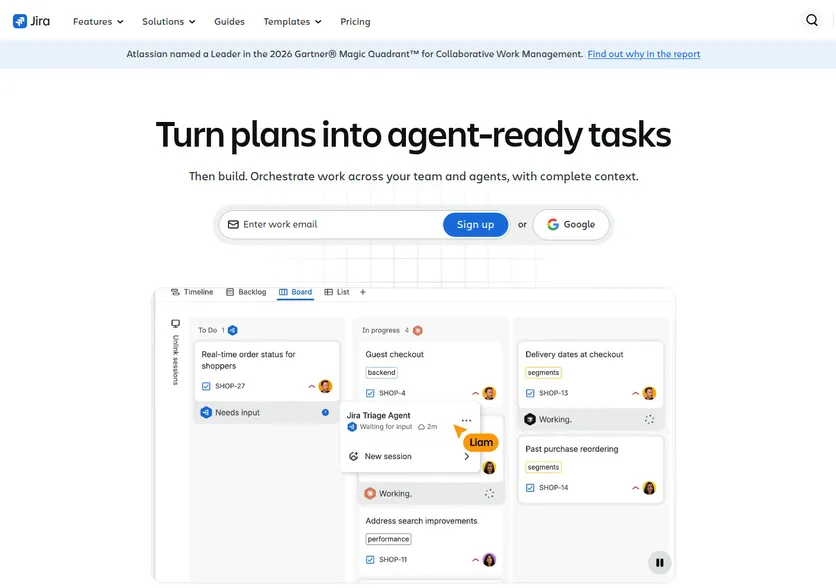
A software organization that runs structured agile processes will find its standard here, since this Jira plan costs nine dollars and seventy cents per user a month on Standard. It brings teams together to plan and track projects at scale, with AI agents that orchestrate work across many teams and workstreams. It fits development organizations that need planning and tracking connected across teams rather than a light tracker. The marketplace adds hundreds of apps for time tracking, docs and reporting, so the platform grows with the team.
What we like
- Backlogs, sprints and agile reports are built in, not bolted on
- Custom workflows and fields fit almost any delivery process
- The Atlassian ecosystem adds docs, code and service desk links
Watch out for
- Configuration can grow complicated without an administrator
- Non-technical users can find the interface busy and heavy
How to try it
- Create a project and pick the scrum or kanban template
- Fill the backlog, then drag work into the first sprint
- Run the sprint board and review velocity at the end
2. Linear
Best for: Product teams wanting fast, focused issue tracking
Paid tool Starting price: $10/user/month · Ten dollars per user a month billed annually on Basic ($12 billed monthly); Business is $16 a user a month billed annually; Enterprise is quoted; agents are not counted as billable seats
Free plan: Free plan (up to 250 issues)
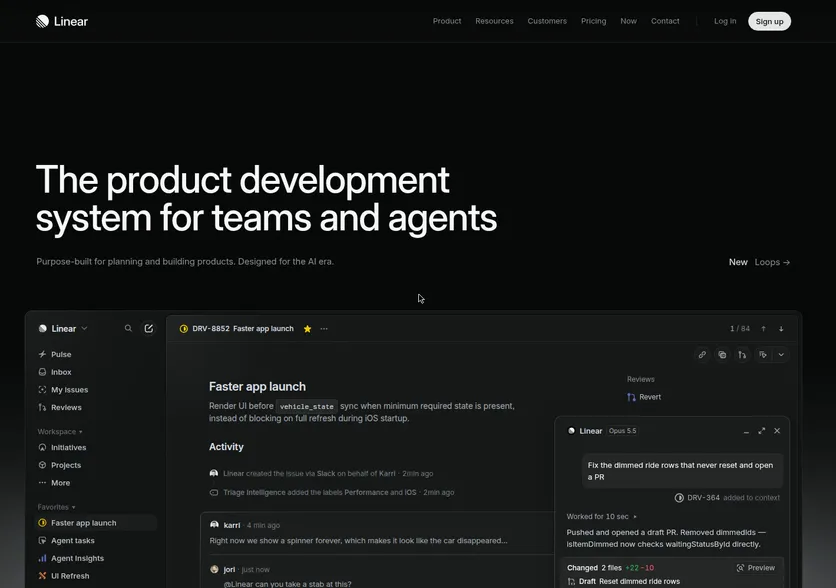
A software team that wants a fast, product-focused system will find the developer favorite here, because this Linear plan costs ten dollars per user a month billed annually on Basic. It is purpose-built for planning and building products with AI agents, with cycles that run automatically and a keyboard-first interface. It suits teams that want a focused, streamlined system centered on product work. AI triage and code features on Business help product teams move faster without adding process.
What we like
- Purpose-built for product development, not general work
- Cycles run automatically with repeating schedules
- Keyboard-first interface is fast for daily use
Watch out for
- Narrower than broad work platforms for cross-team work
- Less workflow customization than Jira offers
How to try it
- Create a team and set up the first cycle
- Add issues with priorities and link them to a project
- Review the cycle at its end and start the next one
3. Azure DevOps
Best for: Microsoft-aligned teams with CI/CD needs
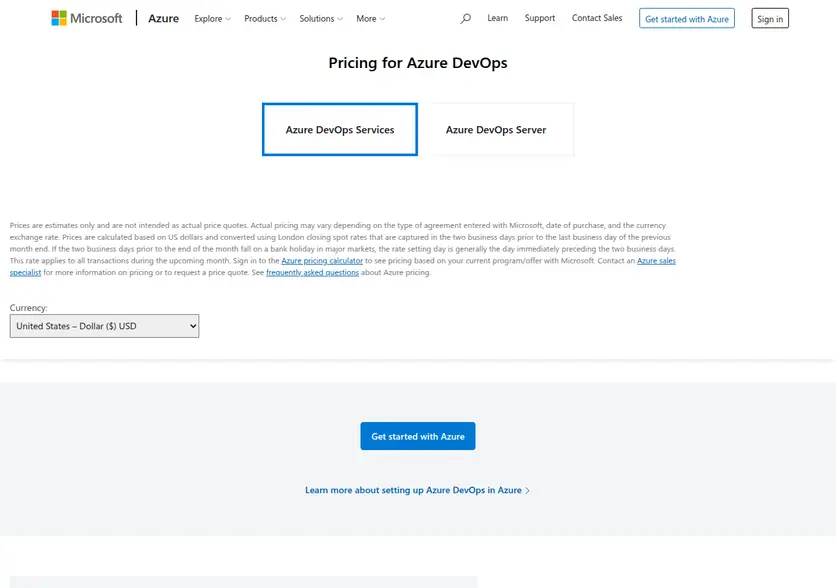
Paid tool Starting price: $6/user/month · Six dollars per user a month on Basic after the first 5 users free; Basic plus Test Plans is $52 per user a month; stakeholders are free with no user cap; extra Microsoft-hosted parallel jobs are $40 a month each
Free plan: Free plan (first 5 Basic users free)
A development team inside the Microsoft ecosystem will find the end-to-end option here, since this Azure DevOps plan costs six dollars per user a month on Basic after the first five users free. Agile planning tools, CI/CD pipelines and test plans sit in one service, so teams can collaborate and ship faster without leaving the platform. It fits organizations already working within Microsoft tooling. Stakeholders are free with no user cap, so managers and clients can follow progress without a paid seat.
What we like
- Boards, repos, pipelines and test plans in one service
- The first 5 Basic users are free, so small teams start at zero
- Fits naturally into a Microsoft and Azure workflow
Watch out for
- Test Plans at $52 a user costs far more than the Basic seat
- Teams outside the Microsoft ecosystem get less value from it
How to try it
- Create an organization and a project with the agile template
- Add work items to the backlog and plan the first sprint
- Link a pipeline so builds run beside the work items
4. GitHub Projects
Best for: Teams planning where the code lives on GitHub
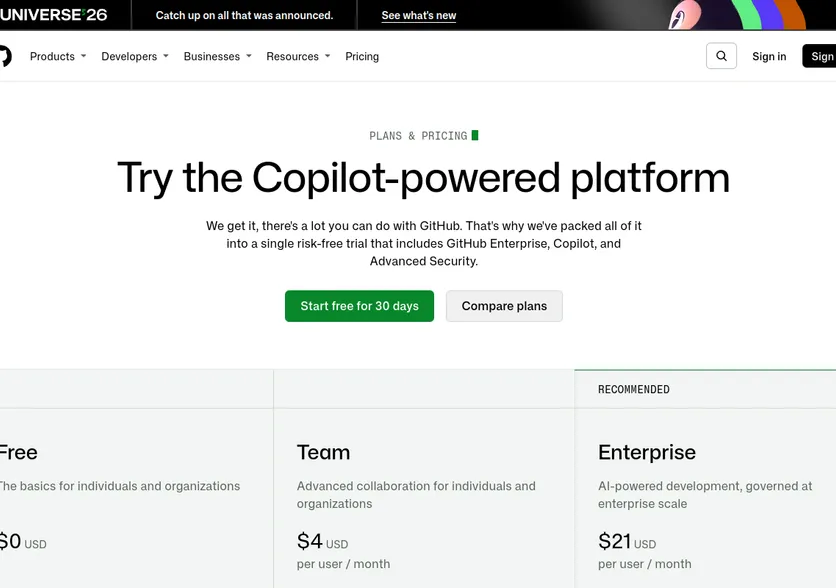
Paid tool Starting price: $4/user/month · Four dollars per user a month on the Team plan billed annually; Projects themselves are included in GitHub Free, while Team adds repository rules, code owners and required reviewers; Enterprise is $21 a user a month
Free plan: Free plan
A development team whose code already lives on GitHub will find planning closest to the code here, because this GitHub Projects plan costs four dollars per user a month on the Team plan billed annually. Issues, pull requests, reviews and automation sit beside the planning boards, and roadmaps track work across repositories. It fits teams that want planning to stay next to issues, pull requests and automated workflows. Team adds repository rules, code owners and required reviewers that small open source projects can skip.
What we like
- Planning sits beside repositories, pull requests and reviews
- Tables, boards and roadmaps work over issues across repos
- Automation runs on the same platform as the code
Watch out for
- Planning depth is narrower than dedicated project platforms
- Best value only for teams whose code already lives on GitHub
How to try it
- Open a project in the repository and pick a board template
- Add issues and group them into iterations with fields
- Review progress on the roadmap view across repositories
5. Asana
Best for: Dev teams coordinating with product and operations
Paid tool Starting price: $10.99/user/month · Ten dollars and ninety-nine cents per user a month billed annually ($13.49 billed monthly); Advanced is $24.99 a user a month billed annually ($30.49 monthly); Enterprise is quoted
Free plan: Free plan (Personal, up to 2 users)
A software team that coordinates closely with product, marketing and operations will find the cross-functional option here, since this Asana plan costs ten dollars and ninety-nine cents per user a month billed annually on Starter. It plans, automates and executes critical workflows together, and unlimited free guests bring outside collaborators in. It fits companies where a shared work management layer matters as much as engineering-specific tracking. Goals and portfolios on the Advanced tier connect daily engineering work to the outcomes the company measures.

What we like
- Timeline and Gantt views keep deadlines visible
- Automation rules move routine work without manual chasing
- Unlimited free guests on paid plans for outside collaborators
Watch out for
- Portfolios and workload views need the Advanced tier
- Per-user pricing climbs quickly as the team grows
How to try it
- Create a project from a template that matches the work
- Assign every task an owner and a due date
- Turn on a rule that moves completed work automatically
6. monday.com
Best for: Organizations wanting one workspace across departments
Paid tool Starting price: $9/seat/month · Nine dollars per seat a month billed annually on Basic ($12 billed monthly); Standard is $12 a seat a month billed annually ($14 monthly); Pro is $19 ($24 monthly); paid plans start at 3 seats and seats are sold in blocks
Free plan: Free plan (up to 2 seats)
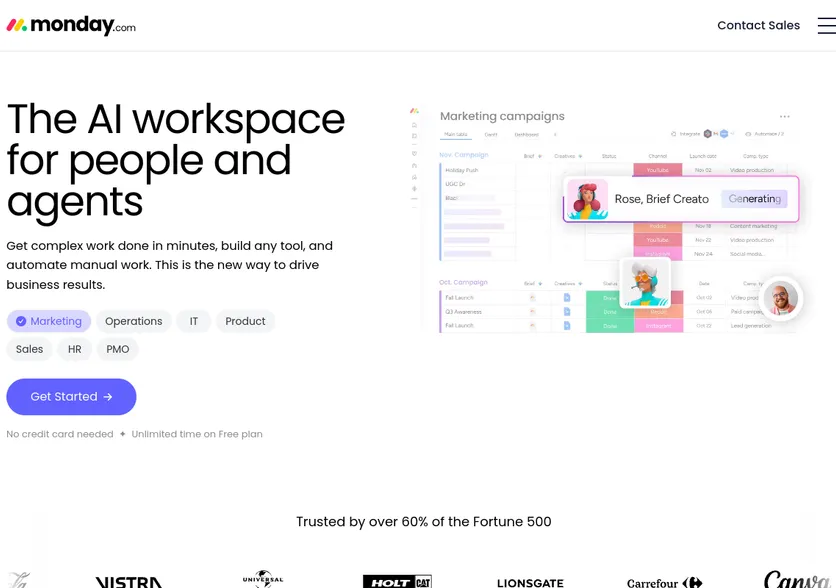
An organization that wants a flexible, visual workspace spanning departments will find the adaptable option here, because this Monday plan costs nine dollars per seat a month billed annually on Basic. Software projects sit alongside other business workflows in one AI workspace, and AI agents work alongside people to execute and manage work. It suits organizations that want one workspace for many workflows rather than a dev-only tracker, and accept the configuration that comes with it.
What we like
- Boards turn any workflow into a visual plan in minutes
- Hundreds of templates shorten setup for common processes
- Automations and integrations cut repetitive admin work
Watch out for
- The 3-seat minimum means a solo user still pays for three seats
- Basic has no timeline view and almost no automations
How to try it
- Pick a template that matches the process to track
- Add status, owner and date columns to the board
- Set one automation that updates status when work moves
7. ClickUp
Best for: Dev teams consolidating many work tools
Paid tool Starting price: $9/user/month · Nine dollars per user a month billed annually on Core ($12 billed monthly); Business is $17 a user a month billed annually; Enterprise is quoted; the old $7 Unlimited tier is gone
Free plan: Free plan
A development team that wants to consolidate scattered tools into one platform will find the all-in-one option here, since this ClickUp plan costs nine dollars per user a month billed annually on Core. Tasks, docs, goals and chat share one workspace with list, board, calendar and Gantt views, and the free plan covers unlimited members. It fits teams willing to configure it around their development process.

What we like
- Tasks, docs, goals and chat live in one workspace
- List, board, calendar and Gantt views share the same data
- The free plan covers unlimited members with core task features
Watch out for
- Feature breadth can overwhelm a team that wants a simple tracker
- Workspaces drift without regular housekeeping and conventions
How to try it
- Create a Space for the team and add one List per workstream
- Switch the List to the view each role prefers
- Set a goal and link the tasks that feed into it
Prices above were checked on each vendor’s own website on Nov 28, 2026 and can change — the vendor’s page is the final word. Vendor links are editorial: nobody paid to be listed or ranked here. Vendors who want a featured listing can see how it works on our Get listed page.
How to keep planning connected to how code ships
Start from the delivery pipeline: how code, reviews and releases connect to planning, because that link decides whether the tracker helps or hinders. Dedicated platforms like Jira and Azure DevOps offer deeper planning and reporting, while GitHub Projects keeps planning beside the code for teams already on GitHub. General platforms like Asana, monday.com and ClickUp serve development teams well when engineering coordinates with other departments, though they need configuration work for dev-first workflows. Test the shortlist on one real sprint first, and price it on the real headcount before signing a yearly contract.
Before you buy
- Check how the tool connects to source control and the CI/CD pipeline
- Confirm the reporting views the team needs for sprints and releases
- Verify how AI features fit the workflow and data policies
- Test the setup effort required for the team size and process before buying
- Review integration support for the other tools the team relies on
Official websites
Official websites of the products reviewed above. Features and prices were checked against these sites when this guide was written, and they can change, so confirm on the vendor site before you buy.
Frequently asked questions
Which tool is best for agile software teams?
Jira is the most common starting point because it is built around agile planning and tracking at scale, at nine dollars and seventy cents per user a month on Standard. Linear is a strong alternative for product-focused teams that want a lighter system, at ten dollars per user a month on Basic. Confirm the workflow model matches how the team actually plans and ships.
Should planning live next to the code?
Keeping planning beside code can reduce context switching, which is the appeal of GitHub Projects for teams already on GitHub, at four dollars per user a month on the Team plan. Dedicated platforms like Jira or Azure DevOps offer deeper planning and reporting. The right choice depends on how complex the planning needs are.
Can general work platforms serve development teams?
Asana, monday.com and ClickUp can support software projects, especially when engineering coordinates with other departments. Asana is ten dollars and ninety-nine cents per user a month, monday.com nine dollars per seat and ClickUp nine dollars per user. They are less engineering-specific by default, so expect configuration work.
How much does Linear cost?
Linear Basic costs ten dollars per user a month billed annually, or twelve dollars billed monthly, and adds unlimited issues, cycles and integrations with GitHub and GitLab. Business is sixteen dollars per user a month billed annually. The free plan covers unlimited members with two teams and two hundred and fifty issues.
How should a team choose between these tools?
Start with the delivery pipeline: how code, reviews and releases connect to planning. Then weigh reporting depth, setup effort and integration needs. Confirm current capabilities on each vendor site, since features and AI support evolve quickly, and test the tool on one real sprint before committing.
Compare the seven tools above, then start with a free plan on the tool that matches how the dev team already ships code before paying for a full year.
Browse Business Tools tools