On this page
A remote design team has no whiteboard to gather around, so the prototype has to carry the whole conversation: the screens, the comments and the decisions. The eight tools below cover that job for distributed teams, from the browser tool the whole team edits live to the specialist that builds with real code components. Figma leads because it keeps design and prototyping in one shared file for sixteen dollars per full seat a month, and the rest are ranked on how well they work across time zones.
How we researched this
We checked every price on the vendor pricing page on November 28, 2026, and only included tools with a published US dollar list price. Adobe XD is not in this list because it is no longer sold, and InVision Cloud is not included because it was discontinued. Prices change, so confirm the current figure on the vendor site before you buy.
Compare the tools
| Name | Best for | Starting price | Free plan | |
|---|---|---|---|---|
 Figma | Product teams that design and prototype together | $16/full seat/month | Free plan (Starter) | Visit |
 Sketch | Mac-only teams that want a fast native app | $12/editor/month | 30-day free trial | Visit |
 Framer | Designers whose prototype becomes a live site | $10/site/month | Free plan (1 project) | Visit |
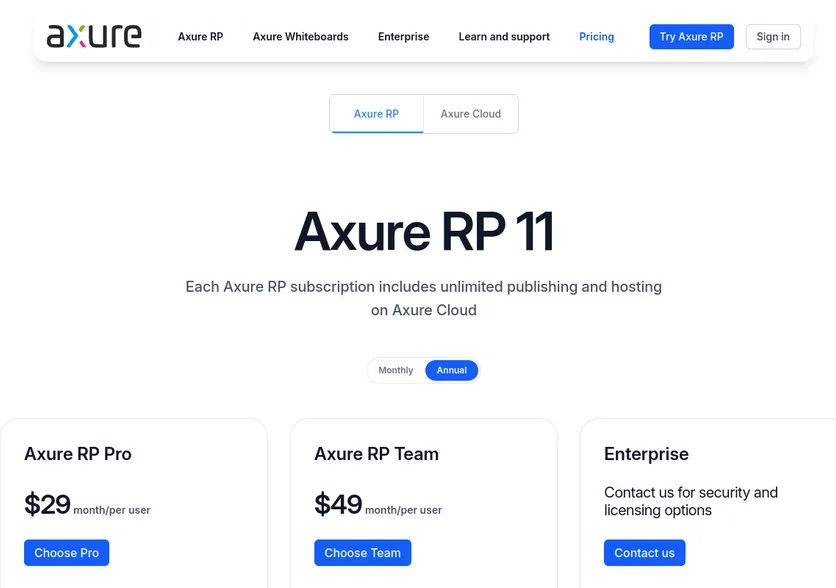
 Axure RP | Teams that need prototypes with real logic | $29/user/month | 30-day free trial | Visit |
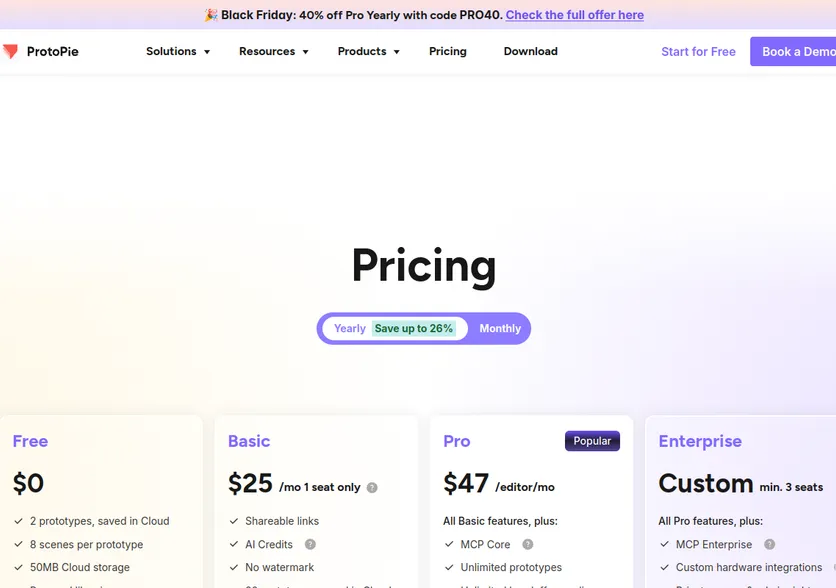
 ProtoPie | Designers testing realistic device interactions | $25/month | Free plan (2 prototypes) | Visit |
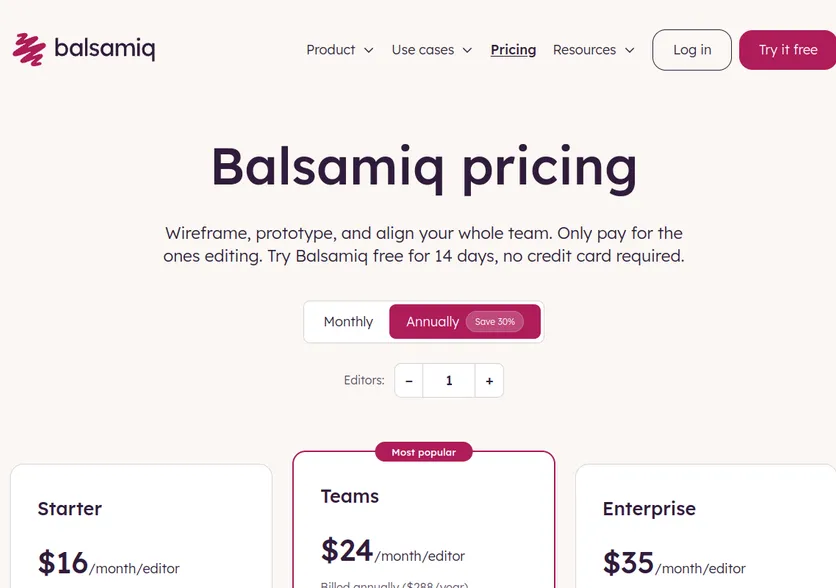
 Balsamiq | Early wireframes that keep reviews on structure | $16/editor/month | 14-day free trial | Visit |
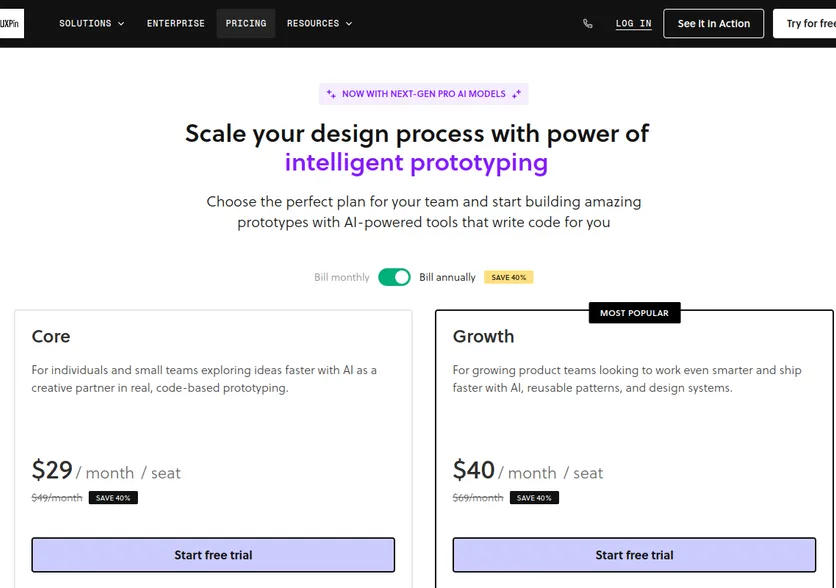
| UXPin | Design system teams using real code components | $29/seat/month | 14-day free trial | Visit |
 Justinmind | Enterprise teams that need high-fidelity simulation | $19/editor/month | Free plan (limited) | Visit |
The prototyping software for remote teams, compared
1. Figma
Best for: Product teams that design and prototype together
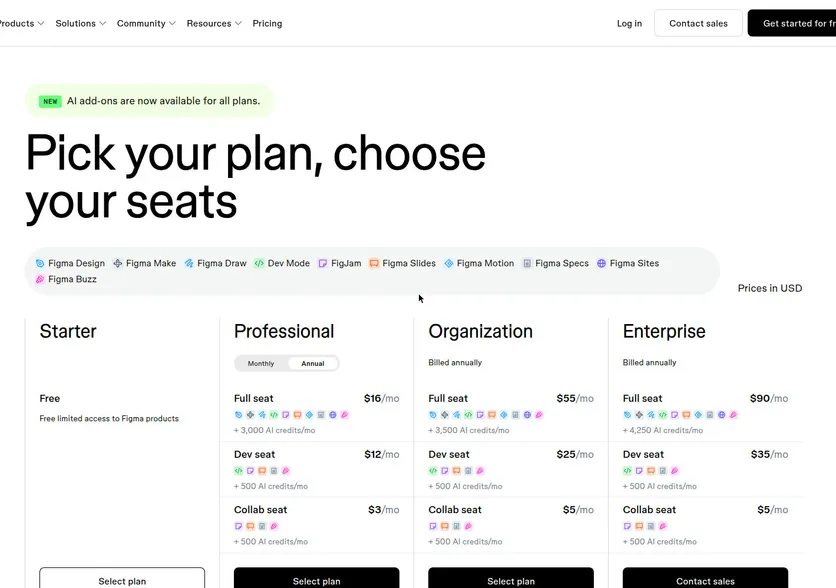
Paid tool Starting price: $16/full seat/month · Sixteen dollars per full seat a month billed annually on Professional (twenty billed monthly); Dev seats are twelve; Collab seats are three; Starter is free
Free plan: Free plan (Starter)
For a remote design team that reviews prototypes across time zones, this Figma plan costs sixteen dollars per full seat a month billed annually, and it keeps design and prototyping in one shared file. It is the default design tool for most product teams, with screens, components and prototypes in one file that the whole team edits live. The free Starter plan covers unlimited drafts, so a small team can start without paying.
What we like
- Real-time collaboration in the browser
- Largest plugin and component library
- Dev Mode gives developers inspectable specs
Watch out for
- Seat pricing adds up fast on a big team
- Offline work is limited
How to try it
- Open a file and design the app screens
- Link frames into a clickable prototype
- Share the link for comments and developer handoff
2. Sketch
Best for: Mac-only teams that want a fast native app
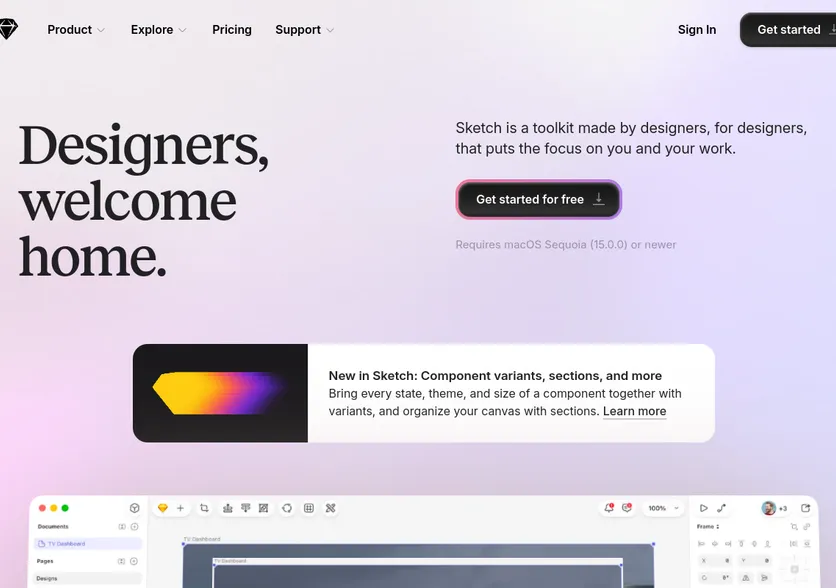
Paid tool Starting price: $12/editor/month · Twelve dollars per editor a month billed annually on Standard (fourteen billed monthly); Professional is twenty-four; viewers are free; a Mac-only licence is one hundred and twenty dollars one time
Free plan: 30-day free trial
For a remote design team that reviews prototypes across time zones, this Sketch plan costs twelve dollars per editor a month billed annually, and it stays the fastest native app for a Mac shop. It is still the fastest native experience for a Mac shop, with a plugin ecosystem built over a decade. A Mac-only licence costs one hundred and twenty dollars once, which suits a solo designer who dislikes subscriptions.
What we like
- Fast native Mac app with deep plugin support
- Symbols and shared libraries keep designs consistent
- Unlimited free viewers on every plan
Watch out for
- Mac only, so Windows teammates need another tool
- Real-time collaboration is weaker than Figma
How to try it
- Design the screens with symbols and shared styles
- Link artboards into a prototype flow
- Share the link for review and handoff
3. Framer
Best for: Designers whose prototype becomes a live site
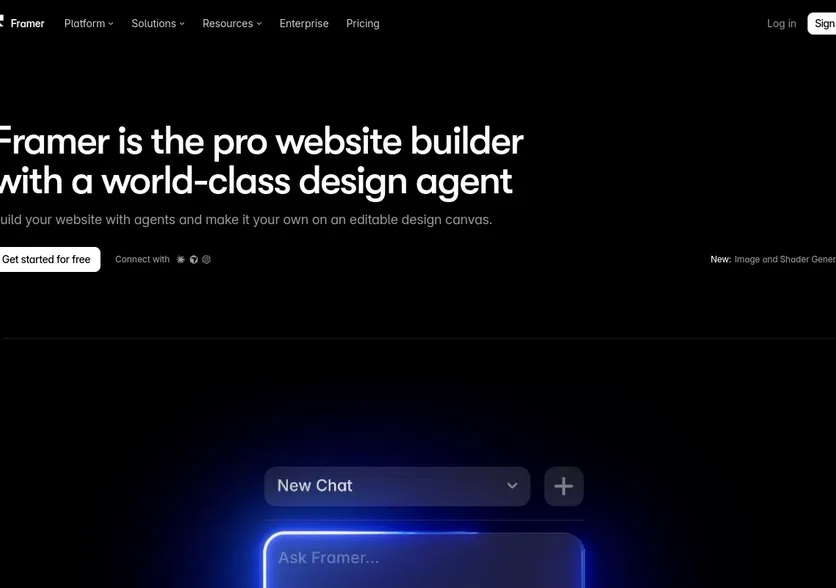
Paid tool Starting price: $10/site/month · Ten dollars per site a month billed annually on Basic (fifteen billed monthly); Pro is thirty; extra editors are twenty a month; the free plan covers one project
Free plan: Free plan (1 project)
For a remote design team that reviews prototypes across time zones, this Framer plan costs ten dollars per site a month billed annually, and it turns the design into a live site. It collapses design and shipping into one product, turning a prototype into a live website without a developer. The free plan covers one project, so a designer can test the whole flow before paying.
What we like
- Publishes designs as real hosted websites
- CMS, forms and analytics built in
- Free plan covers a full project
Watch out for
- Priced per site, so a second site needs another plan
- Weaker for native mobile app prototyping
How to try it
- Design the pages on the canvas
- Add interactions and CMS content
- Publish to a custom domain from the same tool
4. Axure RP
Best for: Teams that need prototypes with real logic
Paid tool Starting price: $29/user/month · Twenty-nine dollars per user a month billed annually on Pro (thirty-four billed monthly); Team plans add shared projects and are quoted per team
Free plan: 30-day free trial
For a remote design team that reviews prototypes across time zones, this Axure RP plan costs twenty-nine dollars per user a month billed annually, and it adds real logic and data to the prototype. It is the specialist pick when a prototype must behave like the real product, with logic, data and state that click-through tools cannot fake. Enterprise teams use it to test complex flows before a line of code is written.
What we like
- Variables, conditions and dynamic data in prototypes
- Prototypes behave like real software
- Strong documentation and handoff tools
Watch out for
- Not a visual design tool, so screens come from elsewhere
- Steep learning curve for new designers
How to try it
- Build the screens and add dynamic panels
- Add conditions and variables for real behaviour
- Publish the prototype and share the link
5. ProtoPie
Best for: Designers testing realistic device interactions
Paid tool Starting price: $25/month · Twenty-five dollars a month on Basic for a single seat; Pro is forty-seven per editor a month; the free plan covers two prototypes; Enterprise is by quote
Free plan: Free plan (2 prototypes)
For a remote design team that reviews prototypes across time zones, this ProtoPie plan costs twenty-five dollars a month, and it tests sensors, motion and voice like a real app. It makes prototypes that feel like real apps, with device sensors, voice input and realistic motion that flat click-throughs cannot match. Product teams use it to test interactions before committing to development.
What we like
- Sensors, voice and motion in prototypes
- No code needed for complex interactions
- Free plan covers two prototypes
Watch out for
- Basic covers one seat only, so teams pay Pro
- Desktop app required for the full feature set
How to try it
- Import the screens from Figma or Sketch
- Add triggers, sensors and motion
- Preview on a real device and share the link
6. Balsamiq
Best for: Early wireframes that keep reviews on structure
Paid tool Starting price: $16/editor/month · Sixteen dollars per editor a month billed annually on Starter (twenty-three billed monthly); Teams is twenty-four; Enterprise is thirty-five; older listings show a nine-dollar Cloud plan for two projects, so confirm at checkout
Free plan: 14-day free trial
For a remote design team that reviews prototypes across time zones, this Balsamiq plan costs sixteen dollars per editor a month billed annually, and it keeps early reviews focused on structure. Its sketch style is a feature, keeping stakeholders focused on structure instead of button colours in the first review. A team can wireframe a whole app in an afternoon and test the flow before any visual design starts.
What we like
- Hand-drawn style keeps feedback on layout, not colours
- Fast to sketch a whole flow in an hour
- Reviewers are free on every plan
Watch out for
- No high-fidelity design or polished prototypes
- Per-editor pricing adds up on a big team
How to try it
- Sketch the screens with the drag-and-drop library
- Link the wireframes into a clickable flow
- Share the link and collect comments
7. UXPin
Best for: Design system teams using real code components
Paid tool Starting price: $29/seat/month · Twenty-nine dollars per seat a month billed annually on Core (forty-nine billed monthly); higher plans add Merge AI and company controls; older listings show six and eight dollar entry figures that no longer match the vendor page
Free plan: 14-day free trial
For a remote design team that reviews prototypes across time zones, this UXPin plan costs twenty-nine dollars per seat a month billed annually, and it builds with the same components developers ship. Its Merge technology lets designers build with the same components developers ship, so prototypes match production exactly. Design system teams get the most value, since the canvas stays in sync with the codebase.
What we like
- Merge pulls live React and Vue components into designs
- Conditional navigation and real data in prototypes
- Design tokens keep systems consistent
Watch out for
- Merge AI plan is far dearer than Core
- Steep learning curve for small teams
How to try it
- Import the design system or connect live components
- Build the prototype with real data and logic
- Share it for testing and developer handoff
8. Justinmind
Best for: Enterprise teams that need high-fidelity simulation
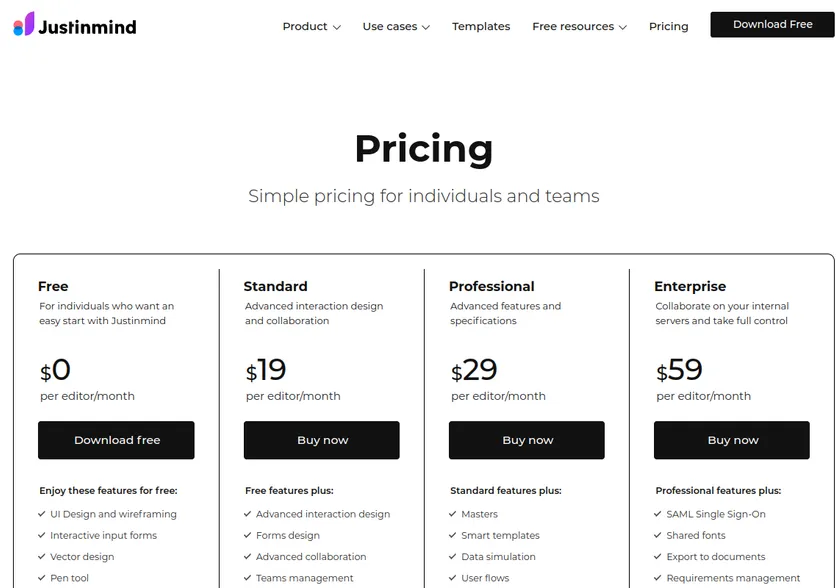
Paid tool Starting price: $19/editor/month · Nineteen dollars per editor a month on Standard; Professional is twenty-nine; Enterprise is fifty-nine
Free plan: Free plan (limited)
For a remote design team that reviews prototypes across time zones, this Justinmind plan costs nineteen dollars per editor a month, and it simulates complex flows with data and variables. It simulates web and mobile interfaces with a fidelity that suits enterprise UX teams testing complex flows. The offline desktop app works without a connection, which matters for teams with strict security rules.
What we like
- High-fidelity simulation with data and variables
- User testing and multi-version comparison
- Works offline on Windows and Mac
Watch out for
- Interface feels dated next to Figma
- Heavier than most teams need for simple flows
How to try it
- Design the screens or import them
- Add events, variables and data lists
- Simulate the prototype and share it for testing
Prices above were checked on each vendor’s own website on Nov 28, 2026 and can change — the vendor’s page is the final word. Vendor links are editorial: nobody paid to be listed or ranked here. Vendors who want a featured listing can see how it works on our Get listed page.
How to review a prototype when the team never shares a room
Share the prototype as a link with comments turned on, because a remote review lives or dies on written feedback tied to the exact screen in question. Ask each reviewer to leave comments before the call, so the meeting starts with real decisions instead of a long tour. Record a short walkthrough video for the parts that need explanation, and let teammates watch it in their own local time zone. Keep the full comment history with the file, so nobody re-argues a decision the team already made.
Before you buy
- Confirm the tool works fully in the browser, with no desktop app to install
- Check whether teammates can comment on the exact screen, not just the file
- Ask if viewers can review for free, without a paid seat
- Make sure version history shows who changed what and when
- Test the tool on one real project with the whole team before paying for a year
Official websites
Official websites of the products reviewed above. Features and prices were checked against these sites when this guide was written, and they can change, so confirm on the vendor site before you buy.
Frequently asked questions
What is prototyping software for remote teams?
It is cloud software that turns design screens into a clickable prototype a distributed team can review together without meeting. Good tools add real-time collaboration, comments tied to screens, version history and free viewers, so designers, developers and stakeholders in different time zones stay in step.
How much does Figma cost for a remote team?
Figma Professional costs sixteen dollars per full seat a month billed annually, or twenty dollars billed monthly. That plan includes unlimited files, shared libraries and Dev Mode for handoff, while Dev seats cost twelve dollars and Collab seats cost three. The free Starter plan covers unlimited drafts.
Can a remote team prototype for free?
Yes, with Figma, which offers a free Starter plan with unlimited drafts, and ProtoPie, which offers a free plan covering two prototypes. Both are genuine free tiers, so a small remote team can design and test a real flow without paying. Larger teams will need paid seats for every editor.
Which tool is best for a remote design team?
Figma is the best pick for a remote design team, at sixteen dollars per full seat a month billed annually, because the whole team edits the same file live in the browser. UXPin is the better choice for a design system team, at twenty-nine dollars a seat a month, since it builds with real code components.
Does Framer replace a website builder?
Yes, for marketing sites. Framer publishes designs as real hosted websites with a CMS, forms and analytics, so a team can ship a site without a developer. It is weaker for native mobile app prototyping, where Figma and ProtoPie are better picks, but it is the only tool here that ends in a live site.
Compare the eight tools above, then start with a free plan or trial on the tool that matches how the remote team already designs and reviews screens.
Browse Developer Tools tools