On this page
A criminal defense firm that tracks subpoenas on paper risks a missed witness, a blown deadline and a client who pays for the mistake. The eight tools below are practice management systems that carry subpoenas inside the case file, with deadlines, documents and billing in one place. Clio leads because it is the most widely used practice platform with subpoena tracking, calendaring and billing for forty-nine dollars a user a month billed annually, and the rest are ranked on how well they keep a defense case on schedule.
How we researched this
We checked every price on the vendor pricing page on November 29, 2026, and only included tools with a published US dollar list price. Filevine and Smokeball publish no dollar figure on their US pricing pages, so they are not in this list, and the dedicated subpoena networks sell by quote. Prices change, so confirm the current figure on the vendor site before you buy.
Compare the tools
| Name | Best for | Starting price | Free plan | |
|---|---|---|---|---|
 Clio | Defense firms that want the standard practice platform | $49/user/month | No free plan; 7-day free trial | Visit |
 MyCase | Small defense firms that want a client portal | $50/user/month | No free plan; free trial | Visit |
 PracticePanther | Defense firms that run on automated workflows | $49/user/month | No free plan; free trial | Visit |
 CosmoLex | Defense firms that want accounting inside the case file | $49/user/month | No free plan; free trial | Visit |
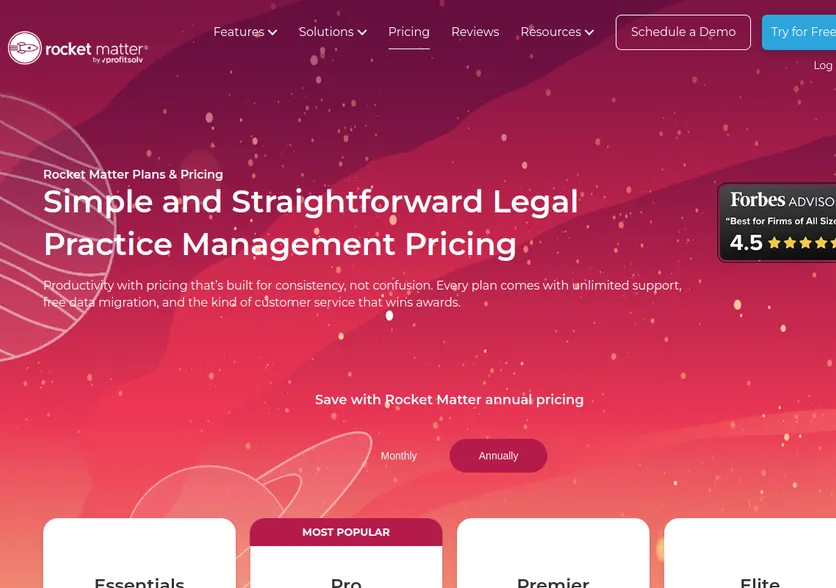
 Rocket Matter | Defense firms that want strong billing with the case | $59/user/month | No free plan; free trial | Visit |
 Lawcus | Defense firms that think in visual case pipelines | $49/user/month | No free plan; free trial | Visit |
 CaseFox | Solo defenders and small firms on a tight budget | $39/user/month | No free plan; free trial | Visit |
 CARET Legal | Defense firms that want a modern practice platform | $79/user/month | No free plan; free trial | Visit |
The subpoena management software for criminal defense firms, compared
1. Clio
Best for: Defense firms that want the standard practice platform
Paid tool Starting price: $49/user/month · Forty-nine dollars per user a month billed annually for EasyStart; $59 billed monthly; Essentials $89; Clio Grow is a $59 add-on, never standalone
Free plan: No free plan; 7-day free trial
For a defense firm that wants the case, the calendar and the bill in one place, this Clio plan costs forty-nine dollars per user a month billed annually for EasyStart and tracks subpoenas as tasks and deadlines inside the matter file. Court dates, witness deadlines and document requests sit beside time entries and invoices, so nothing falls between systems. It is the most widely used practice platform in this list, and the safest default.

What we like
- Matter, calendar, billing and documents in one place
- Most widely used platform, so staff already know it
- Huge integration library for defense workflows
Watch out for
- No free plan, only a seven-day trial
- Grow is an add-on, so intake costs extra
How to try it
- Create the matter and add the client
- Add the subpoena as a task with its deadline
- Track time and bill from the same matter
2. MyCase
Best for: Small defense firms that want a client portal
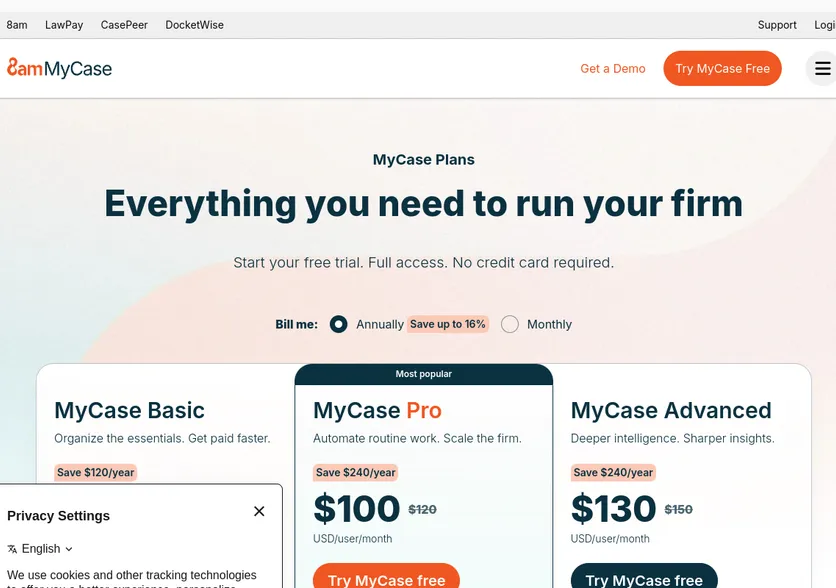
Paid tool Starting price: $50/user/month · Fifty dollars per user a month billed annually for Basic; $60 billed monthly; Pro $100; Advanced $130
Free plan: No free plan; free trial
For a small defense firm that wants the client kept in the loop, this MyCase plan costs fifty dollars per user a month billed annually for Basic and pairs case management with a client portal, billing and document sharing. A client can see the subpoena status, sign a document and pay a bill without a phone call, which cuts the chasing that eats a small firm. It is the client-facing pick in this list.
What we like
- Client portal with messaging, signing and payments
- Case, billing and documents in one app
- Simple enough for a small firm to run well
Watch out for
- No free plan, only a trial
- Advanced reporting needs the dearer tiers
How to try it
- Open the case and invite the client to the portal
- Add subpoena deadlines to the case calendar
- Share documents and collect payment online
3. PracticePanther
Best for: Defense firms that run on automated workflows
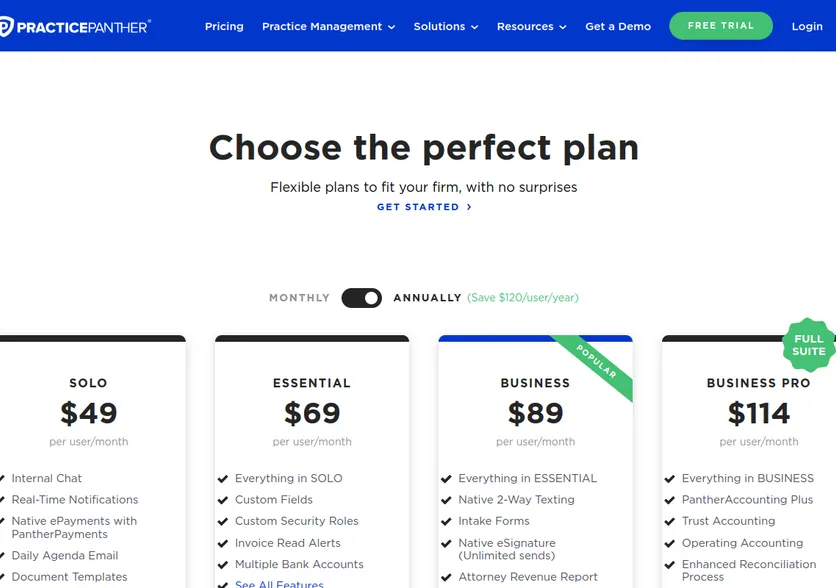
Paid tool Starting price: $49/user/month · Forty-nine dollars per user a month billed annually for Solo; $59 billed monthly; Essential $69; Business $89; Business Pro $114
Free plan: No free plan; free trial
For a defense firm that runs on workflows, this PracticePanther plan costs forty-nine dollars per user a month billed annually for Solo and automates the steps around every subpoena: intake, deadline, reminder, document and billing. Templates turn a new case into a checklist the whole firm follows, and the timer captures every billable minute. It is the automation pick in this list.
What we like
- Workflows turn every case into a checklist
- Time tracking and billing built into the matter
- Templates keep the whole firm consistent
Watch out for
- No free plan, only a trial
- Solo tier is for one user, so a team pays more
How to try it
- Create a workflow template for a new case
- Add the subpoena steps with deadlines
- Let reminders fire and bill the time
4. CosmoLex
Best for: Defense firms that want accounting inside the case file
Paid tool Starting price: $49/user/month · Forty-nine dollars per user a month billed annually for Launch; $59 billed monthly; Core $99; Pro $129
Free plan: No free plan; free trial
For a defense firm that wants accounting built into the case file, this CosmoLex plan costs forty-nine dollars per user a month billed annually for Launch and pairs matter management with trust accounting, billing and expenses in one ledger. Subpoena deadlines sit beside the trust balance, so the firm sees the case and the money together. It is the accounting pick in this list.
What we like
- Trust accounting built into the matter
- Billing and expenses in the same ledger
- Launch tier is the cheapest entry here
Watch out for
- No free plan, only a trial
- Smaller integration library than Clio
How to try it
- Open the matter and set the trust account
- Add subpoena deadlines to the calendar
- Record expenses and bill from the ledger
5. Rocket Matter
Best for: Defense firms that want strong billing with the case
Paid tool Starting price: $59/user/month · Fifty-nine dollars per user a month billed annually for Essentials; Pro $95; Premier $115; Elite $145
Free plan: No free plan; free trial
For a defense firm that wants matter management with strong billing, this Rocket Matter plan costs fifty-nine dollars per user a month billed annually for Essentials and covers cases, calendars, documents and time with a billing engine built for law firms. Subpoena deadlines, court dates and client communications stay in the matter, and the higher tiers add deeper reporting. It is the billing-focused pick in this list.
What we like
- Billing engine built for law firm workflows
- Cases, calendars and documents in one matter
- Higher tiers add deeper reporting
Watch out for
- Dearest entry price in this list at fifty-nine dollars
- No free plan, only a trial
How to try it
- Create the matter for the defense case
- Add court dates and subpoena deadlines
- Track time and generate the invoice
6. Lawcus
Best for: Defense firms that think in visual case pipelines
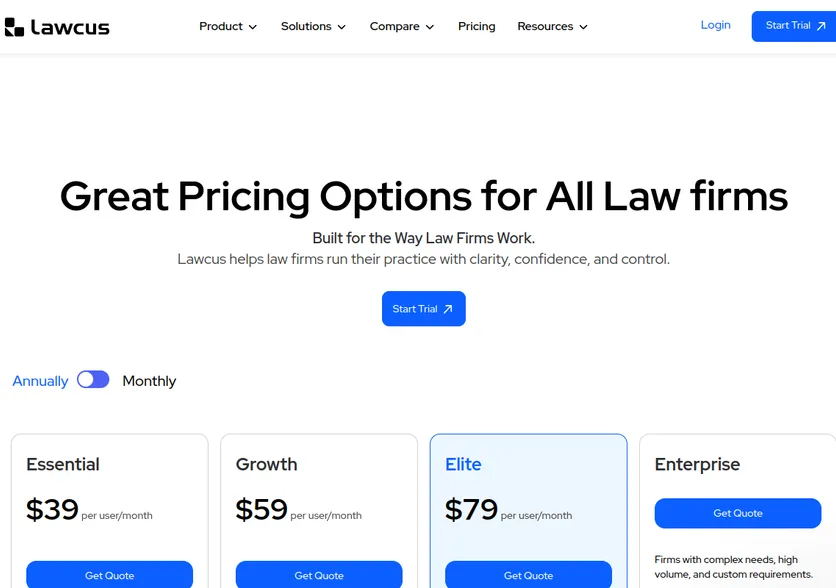
Paid tool Starting price: $49/user/month · Forty-nine dollars per user a month; older listings showing $34 or $39 are called out here because multiple November 2026 reads agree on $49
Free plan: No free plan; free trial
For a defense firm that thinks in Kanban boards, this Lawcus plan costs forty-nine dollars per user a month and runs each case as cards moving across a board, from intake to subpoena to trial. The visual pipeline shows at a glance which cases are stuck, and the matter view holds documents, time and billing underneath. It is the visual-pipeline pick in this list.
What we like
- Kanban boards show every case at a glance
- Matters hold documents, time and billing
- Simple pricing with no tier maze
Watch out for
- No free plan, only a trial
- Older listings still show thirty-four or thirty-nine dollars
How to try it
- Create a board for the defense pipeline
- Move the case card as the subpoena progresses
- Open the matter to bill the time
7. CaseFox
Best for: Solo defenders and small firms on a tight budget
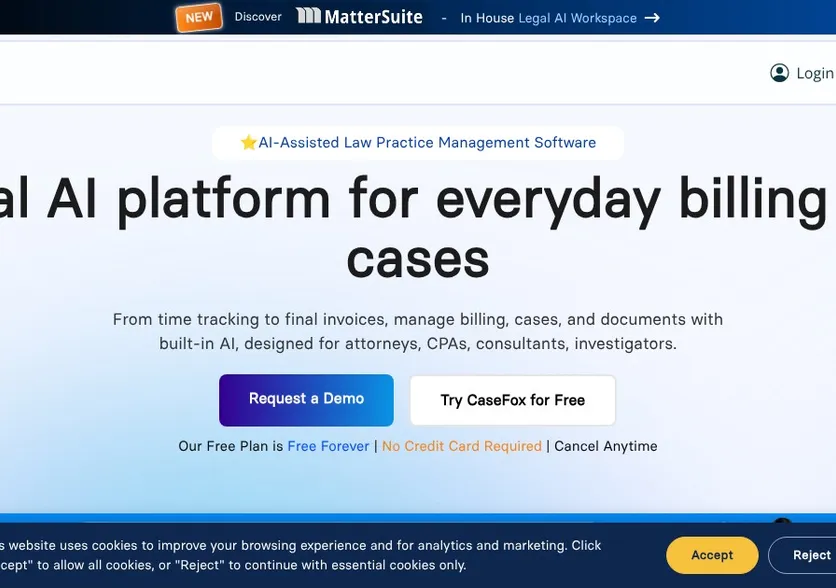
Paid tool Starting price: $39/user/month · Thirty-nine dollars per user a month billed annually; $45 billed monthly
Free plan: No free plan; free trial
For a small defense firm watching every dollar, this CaseFox plan costs thirty-nine dollars per user a month billed annually and is the cheapest practice platform in this list, with cases, calendars, documents, time tracking and billing included. Subpoena deadlines and court dates sit in the matter calendar, and invoices go out from the same app. It suits a solo defender or a two-lawyer firm that needs the basics done well.
What we like
- Cheapest practice platform in this list
- Cases, calendar, documents and billing included
- Simple pricing with no add-on maze
Watch out for
- No free plan, only a trial
- Smaller feature set than the bigger platforms
How to try it
- Open the case for the defense matter
- Add subpoena and court deadlines
- Track time and send the invoice
8. CARET Legal
Best for: Defense firms that want a modern practice platform
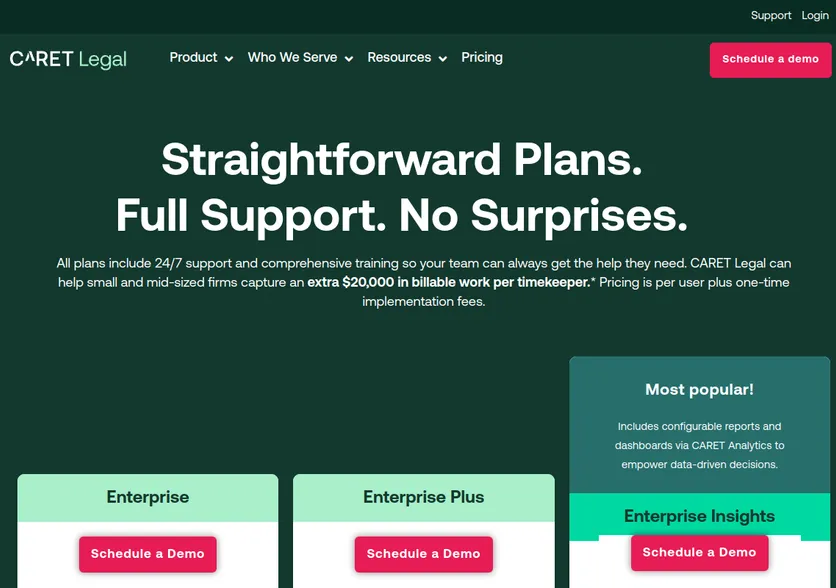
Paid tool Starting price: $79/user/month · Seventy-nine dollars per user a month billed annually
Free plan: No free plan; free trial
For a defense firm that wants a modern platform with deep matter tools, this CARET Legal plan costs seventy-nine dollars per user a month billed annually and covers cases, documents, time, billing and client communication with a clean interface. Subpoena tracking, deadlines and reminders sit inside the matter, and the platform is built for firms that want current design rather than legacy software. It is the modern-platform pick in this list.
What we like
- Clean, modern interface for the whole firm
- Matters, documents, time and billing in one place
- Client communication built into the case
Watch out for
- Dearest tier here after Rocket Matter
- No free plan, only a trial
How to try it
- Create the matter and add the defense team
- Set subpoena deadlines with reminders
- Bill time and message the client from the matter
Prices above were checked on each vendor’s own website on Nov 29, 2026 and can change — the vendor’s page is the final word. Vendor links are editorial: nobody paid to be listed or ranked here. Vendors who want a featured listing can see how it works on our Get listed page.
How to run subpoenas so no witness is ever missed
Start with the deadline, because a subpoena is a date with a consequence, and the date belongs in the calendar the day the subpoena is issued, not the day it is due. Give every subpoena a named owner, a service date and a return date, and check the list every morning, since a subpoena nobody owns is a subpoena nobody serves. Keep the proof of service, the witness contact and the court date in the same matter file, so the file tells the whole story without a search. End every week by naming the subpoenas due next week and who serves them.
Before you buy
- Confirm subpoenas live inside the matter file, with deadlines, documents and billing together
- Check whether the calendar syncs with the court calendar, so a date change reaches the whole firm
- Ask if reminders fire before the deadline, not on the day it passes
- Make sure the client portal shows subpoena status, so the client stops calling for updates
- Test the tool on one real case before paying, including a subpoena with a tight service deadline
Official websites
Official websites of the products reviewed above. Features and prices were checked against these sites when this guide was written, and they can change, so confirm on the vendor site before you buy.
Frequently asked questions
What is subpoena management software for criminal defense firms?
It is practice management software that tracks subpoenas inside the case file, with the witness, the service date, the return date, the court date and the proof of service in one place. Good tools add calendaring, reminders, document storage and billing, so a defense firm never misses a witness or a deadline because the subpoena lived on paper or in email.
How much does Clio cost for a criminal defense firm?
Clio EasyStart costs forty-nine dollars per user a month billed annually, or fifty-nine dollars billed monthly, and Essentials is eighty-nine dollars. Clio Grow is a fifty-nine dollar add-on for intake and is never sold standalone, so a firm that wants intake should budget for the add-on on top of the practice plan.
Is CaseFox really the cheapest option for a defense firm?
Yes, CaseFox is the cheapest practice platform in this list at thirty-nine dollars per user a month billed annually, or forty-five dollars billed monthly. It covers cases, calendars, documents, time tracking and billing, so a solo defender or a two-lawyer firm gets the basics done well without paying for features it will never use.
Can a defense firm manage subpoenas for free?
No, none of the practice platforms in this list has a free plan, though every one offers a free trial, most for seven days. A firm that needs a free start should trial Clio, MyCase or PracticePanther on one real case first, and only pay once the subpoena workflow is proven on that case.
Which tool is best for a small criminal defense firm?
MyCase is the best pick for a small firm, at fifty dollars per user a month billed annually with a client portal, billing and document sharing in one app. CaseFox is the cheapest at thirty-nine dollars, and Clio is the safest default at forty-nine dollars because it is the platform most staff already know and most integrations support.
Compare the eight tools above, then start with the free trial on the tool that matches how the firm already runs a case before paying for the whole team.
Browse Business Tools tools